Maintaining a productive garden throughout the entire year is both rewarding and achievable with the right strategies. Whether you’re an experienced grower or just starting out, learning how to keep your beds active in every season can mean a steady supply of fresh produce for your kitchen. This guide shares practical year round gardening tips to help you plan, plant, and harvest continuously, regardless of your climate.
Along the way, you’ll discover how to optimize your garden layout, choose crops for every season, and use simple tools and techniques to extend your harvest. For those interested in understanding the differences between seed types, heirloom vs hybrid seeds explained is a helpful resource to inform your planting decisions.
Plan Your Garden for All Seasons
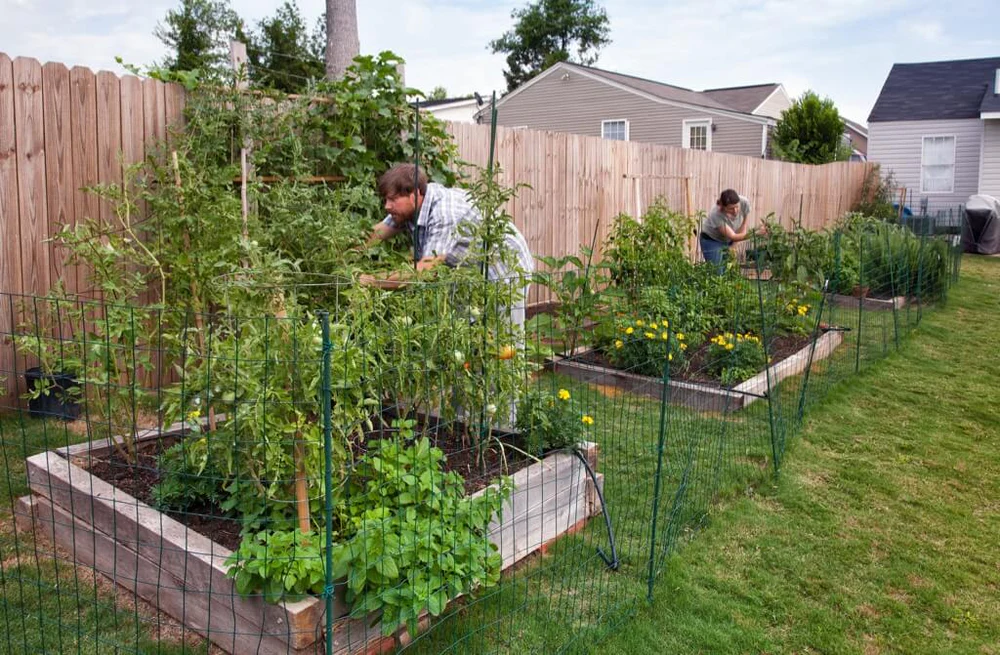
One of the most important steps for continuous harvests is effective planning. Start by mapping out your garden space and considering the unique needs of each season. Raised beds and container gardens can make it easier to control soil quality and drainage, which is especially important for year-round productivity.
Think about crop rotation and succession planting. By dividing your space and scheduling plantings, you can ensure that as one crop finishes, another is ready to take its place. This approach minimizes downtime and maximizes your yields.
Choose the Right Crops for Year-Round Success
Not all vegetables thrive in every season. To keep your garden productive, select varieties that are suited to your local climate and stagger your plantings. Cool-season crops like spinach, kale, and carrots can be grown in early spring and fall, while tomatoes, peppers, and beans flourish in the warmth of summer. In mild climates, winter gardening is possible with hardy greens and root vegetables.
For more advice on starting a productive plot, check out this step-by-step guide to starting a small vegetable garden.
Use Raised Beds and Containers for Flexibility

Raised beds warm up faster in spring and drain better during wet periods, making them ideal for year-round gardening. Containers offer even more flexibility, allowing you to move plants to sheltered spots during extreme weather. Both options help you control soil conditions and reduce the risk of soil-borne diseases.
If you’re concerned about excess moisture, learning how to prevent root rot is essential for healthy, productive plants.
Practice Succession Planting for Continuous Harvests
Succession planting is the practice of sowing new seeds or transplants at regular intervals. This ensures a steady supply of crops rather than a single large harvest. For example, plant lettuce every two weeks from early spring through late summer. As one batch matures, the next is already on its way.
Staggered planting works well for fast-growing vegetables like radishes, spinach, and bush beans. Keep a calendar or garden journal to track your planting dates and expected harvest times.
Protect Your Crops from Weather Extremes
Year-round gardening means dealing with changing weather. Use row covers, cold frames, or hoop houses to shield plants from frost, wind, and heavy rain. In hot climates, shade cloth can prevent sunscald and keep soil temperatures down. Mulching helps regulate soil moisture and temperature, providing an extra layer of protection for roots.
Monitoring soil moisture is crucial. A soil moisture meter can help you avoid over- or under-watering, which is especially important during seasonal transitions.
Feed and Amend Your Soil Regularly
Healthy soil is the foundation of productive gardening. Add compost, aged manure, or organic fertilizers throughout the year to replenish nutrients. Rotate crops to prevent nutrient depletion and reduce pest problems. Cover cropping in the off-season can also improve soil structure and fertility.
Regular soil testing helps you identify deficiencies and tailor your amendments for optimal plant growth. Don’t forget to mulch with organic materials to retain moisture and suppress weeds.
Keep Pests and Diseases in Check
Year-round gardens can attract a variety of pests and diseases. Inspect your plants often for signs of trouble. Remove affected leaves or plants promptly to prevent the spread of issues. Encourage beneficial insects, such as ladybugs and lacewings, to help control pests naturally.
For more information on identifying and managing plant problems, see how to identify plant diseases and common vegetable plant diseases. If you encounter fungal issues, you may also find guidance in how to treat fungal infections in plants.
Grow Indoors During Harsh Weather
When outdoor conditions become too extreme, consider moving some of your gardening efforts indoors. Herbs, leafy greens, and even dwarf tomatoes can thrive on a sunny windowsill or under grow lights. Indoor gardening ensures a supply of fresh produce even during the coldest or hottest months.
Harvest Regularly and Replant Promptly

Frequent harvesting encourages many plants to produce more. Pick beans, peas, and leafy greens often to stimulate new growth. As soon as a crop finishes, clear the space and replant with a new variety suited to the upcoming season. This quick turnaround is key to maximizing your garden’s output.
Keep Records and Adjust Your Approach
Successful year-round gardening is a learning process. Keep notes on what works and what doesn’t in your specific location. Track planting dates, varieties, yields, and any challenges you encounter. Over time, you’ll develop a customized approach that fits your climate, soil, and preferences.
Don’t hesitate to experiment with new crops or techniques. The more you observe and adapt, the more productive your garden will become.
FAQ: Year-Round Gardening Essentials
What are the best vegetables to grow for continuous harvests?
Leafy greens like lettuce, spinach, and kale are excellent choices for ongoing picking. Root crops such as carrots and radishes can be sown in succession. In warmer months, bush beans, cucumbers, and zucchini provide steady yields. Choose varieties that mature quickly and can be replanted throughout the season for the best results.
How can I protect my garden from frost and heat?
Use row covers, cold frames, or hoop houses to shield plants from frost in cooler months. In hot weather, provide shade with cloth or plant taller crops to protect sensitive varieties. Mulching helps regulate soil temperature and moisture year-round.
How do I keep my soil healthy for year-round gardening?
Regularly add compost or organic matter to replenish nutrients. Rotate crops to prevent soil depletion and reduce pest buildup. Cover cropping and mulching improve soil structure and fertility, supporting healthy plants all year long.
Is it possible to garden indoors during winter?
Yes, many herbs and greens can be grown indoors on a sunny windowsill or under grow lights. This approach ensures fresh produce even when outdoor conditions are unfavorable.