Building a garden that naturally resists pests is both rewarding and environmentally responsible. By focusing on organic gardening pest control techniques, gardeners can protect their plants without relying on synthetic chemicals. This approach not only safeguards the health of your soil and local ecosystem but also encourages a thriving, balanced garden where plants, insects, and microorganisms coexist harmoniously. In this guide, we’ll explore practical strategies for managing pests organically, including the integration of pest-resistant plants, the use of natural pesticides, and the encouragement of beneficial insects.
Introduction to Organic Pest Control
Organic pest control refers to a set of gardening practices that manage and reduce pest populations using natural, non-synthetic methods. Instead of turning to chemical pesticides, organic gardeners prioritize techniques that work with nature—such as crop rotation, physical barriers, and the use of natural predators. The main goal is to create a healthy garden ecosystem where pests are kept in check without harming beneficial organisms or contaminating the environment.
Choosing organic methods offers several benefits. It helps maintain soil fertility, protects pollinators, and reduces the risk of chemical residues on food crops. By adopting these practices, gardeners contribute to a more sustainable and resilient food system.
Understanding Common Garden Pests
Every garden faces its share of pests, but understanding which ones are most common and how they affect your plants is the first step toward effective control. Among the most frequent offenders are garden slugs and root maggots. Slugs can quickly damage leafy greens and young seedlings, leaving behind ragged holes and slime trails. Root maggots, on the other hand, attack the roots of vegetables like radishes, onions, and cabbages, often causing plants to wilt or die.
According to survey data reported by Mother Earth News, handpicking slugs, using iron phosphate baits, and applying diatomaceous earth are all effective organic solutions. Diatomaceous earth, a fine powder made from fossilized algae, works by dehydrating soft-bodied pests like slugs and insects. For root maggots, crop rotation is especially effective. By changing the location of susceptible crops each year, gardeners can disrupt the life cycle of these pests and reduce their impact.
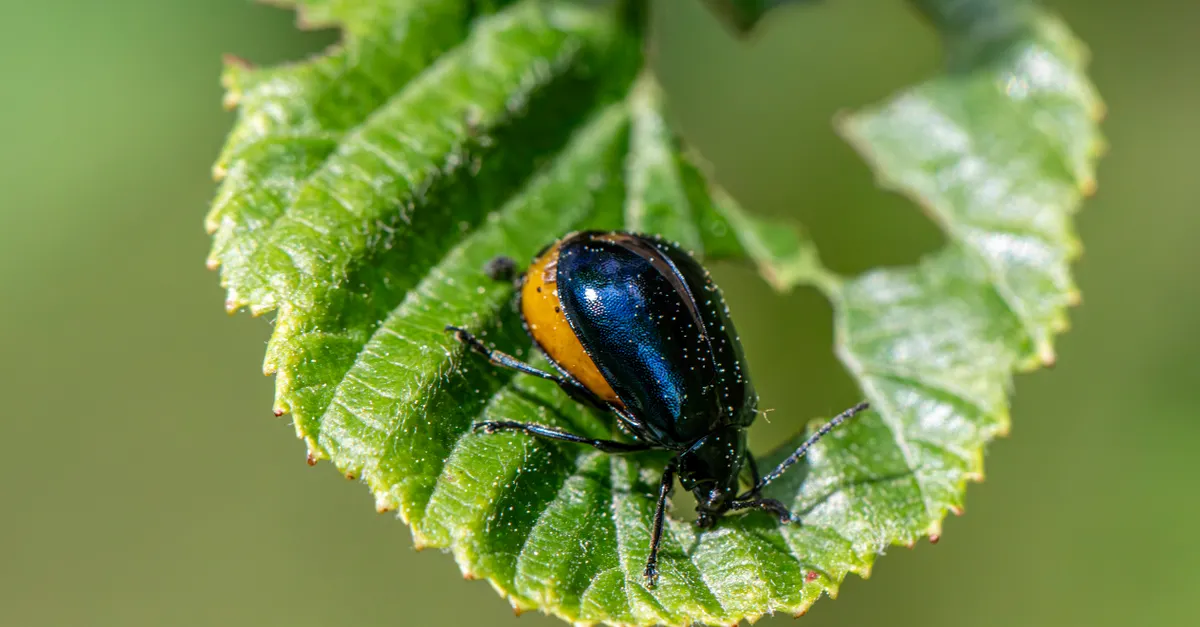
Other common garden pests include aphids, caterpillars, and beetles. While each pest presents unique challenges, organic gardening offers a range of techniques to manage them without resorting to harsh chemicals.
Organic Pest Control Methods
There are several proven methods for managing pests organically, many of which are both simple and highly effective. Some of the most widely used techniques include:
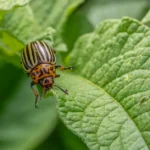
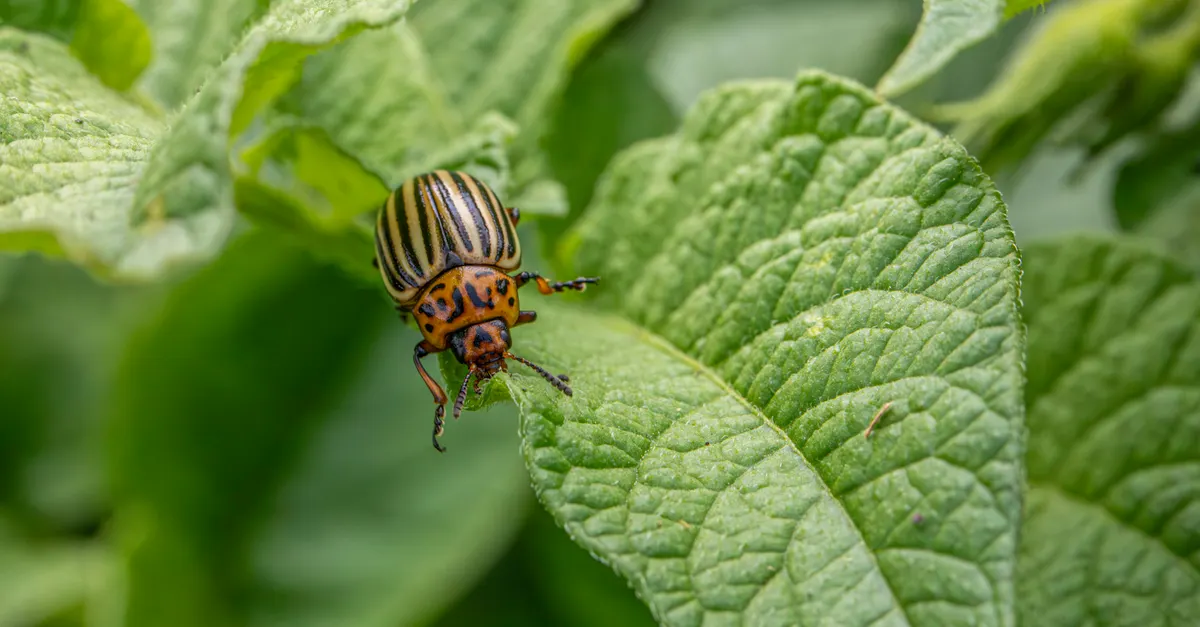
- Handpicking: Regularly inspecting plants and removing pests by hand is a straightforward way to reduce populations, especially for larger pests like caterpillars and beetles.
- Physical Barriers: Row covers, netting, and collars can prevent pests from reaching vulnerable plants.
- Crop Rotation: As mentioned earlier, rotating crops helps prevent the buildup of soil-borne pests like root maggots.
- Organic Pesticides: Several natural substances are effective against a range of garden pests:
- Neem Oil: Extracted from the neem tree, neem oil disrupts the life cycle of insects by interfering with their hormones. It is effective against aphids, whiteflies, and many other soft-bodied pests.
- Spinosad: Derived from soil bacteria, spinosad targets caterpillars, thrips, and leafminers. It acts on the nervous system of insects, causing paralysis and death.
- Bacillus thuringiensis (BT): This naturally occurring bacterium is toxic to certain caterpillars but harmless to humans, pets, and beneficial insects.
- Pyrethrin: Sourced from chrysanthemum flowers, pyrethrin is effective against a broad spectrum of insects. It acts quickly but breaks down rapidly in sunlight, making it safer for the environment.
- Diatomaceous Earth: As previously described, this powder is abrasive to insects and can be sprinkled around plants to deter crawling pests.
For best results, it’s recommended to apply organic pesticides late in the evening. This timing helps protect beneficial insects, such as bees and ladybugs, which are less active at night, and reduces stress on plants during the heat of the day (as advised by Cog Hill Farm).
Integrating Pest-Resistant Plants
One of the most effective yet underutilized strategies in organic gardening pest control is the use of pest-resistant plants. These are varieties that have natural defenses against common pests, either through physical traits (like tough leaves or hairy stems) or by producing compounds that deter insects.
Integrating pest-resistant plants into your garden can significantly reduce pest issues over time. For example, marigolds are known to repel nematodes and aphids, while nasturtiums can act as a trap crop for aphids and whiteflies, drawing them away from more valuable vegetables. Herbs like basil, mint, and rosemary also emit strong scents that can confuse or repel pests.
To make the most of this approach, consider the following steps:
- Research plant varieties: Choose vegetable and flower varieties that are known for their pest resistance. Seed catalogs and local extension offices often provide this information.
- Practice companion planting: Plant pest-resistant species alongside more vulnerable crops to create a protective barrier or attract beneficial insects.
- Rotate resistant crops: Use pest-resistant varieties as part of your crop rotation plan to further disrupt pest cycles.
By thoughtfully selecting and placing pest-resistant plants, gardeners can build a more resilient garden that requires fewer interventions over time. For those working in limited spaces, exploring organic gardening techniques for small spaces can help maximize both pest resistance and productivity.
The Role of Beneficial Insects
Encouraging beneficial insects is a cornerstone of successful organic pest management. These helpful creatures act as natural predators, keeping pest populations in check without the need for chemical sprays.
Some of the most valuable beneficial insects include:
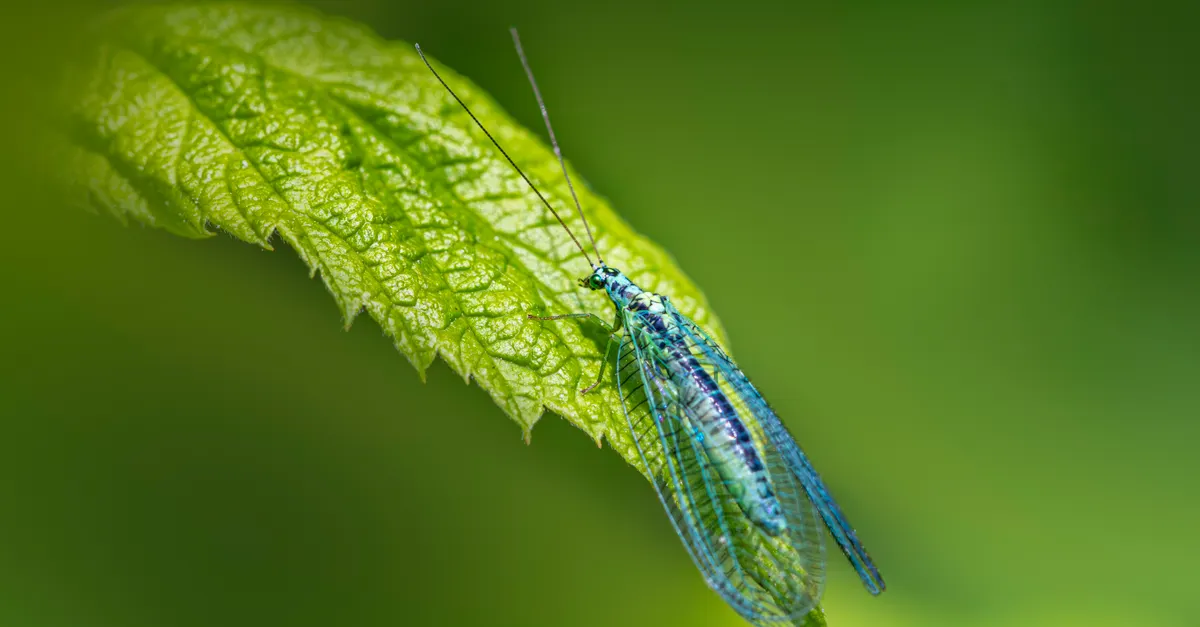
- Lacewings: Their larvae feed on aphids, mealybugs, and other soft-bodied pests.
- Ladybugs: Both adults and larvae consume large numbers of aphids and scale insects.
- Parasitic Wasps: These tiny wasps lay their eggs inside or on pest insects, eventually killing them.
- Hoverflies: Their larvae are voracious aphid eaters, while adults help pollinate flowers.
To attract and support these allies, plant a diverse array of flowers, especially those with small, open blooms like dill, fennel, and yarrow. Avoid broad-spectrum pesticides, even organic ones, as they can harm beneficial insects if not used carefully. Providing habitat, such as leaving some leaf litter or installing insect hotels, can also encourage these helpful species to take up residence in your garden.
Conclusion and Best Practices
Creating a garden that naturally resists pests is a holistic process that combines several organic gardening pest control strategies. By understanding the pests you face, using targeted organic methods, integrating pest-resistant plants, and fostering beneficial insects, you can maintain a healthy and productive garden with minimal chemical input.
Best practices include regular monitoring of your plants, rotating crops annually, applying organic pesticides thoughtfully, and continually building soil health through composting and mulching. Remember, the goal is not to eliminate every pest, but to achieve a balance where plants can thrive and minor pest issues do not escalate into major problems. With patience and observation, your garden can become a resilient, vibrant space that supports both your harvest and the broader ecosystem.
Frequently Asked Questions
What are the most effective organic pest control methods?
Some of the most effective methods include handpicking pests, using physical barriers like row covers, applying natural pesticides such as neem oil and diatomaceous earth, and encouraging beneficial insects. Crop rotation and the integration of pest-resistant plants also play a significant role in reducing pest problems organically.
How do organic pesticides like neem oil and diatomaceous earth work?
Neem oil disrupts insect hormone systems, making it harder for pests to grow and reproduce. Diatomaceous earth is a fine, abrasive powder that damages the exoskeletons of insects, causing them to dehydrate and die. Both are effective against a range of common garden pests and are safe when used as directed.
What are the benefits of using organic pest control in the garden?
Organic pest control methods protect soil health, preserve beneficial insects, and reduce the risk of chemical residues on food crops. These practices also support biodiversity and help create a more resilient and sustainable garden ecosystem.