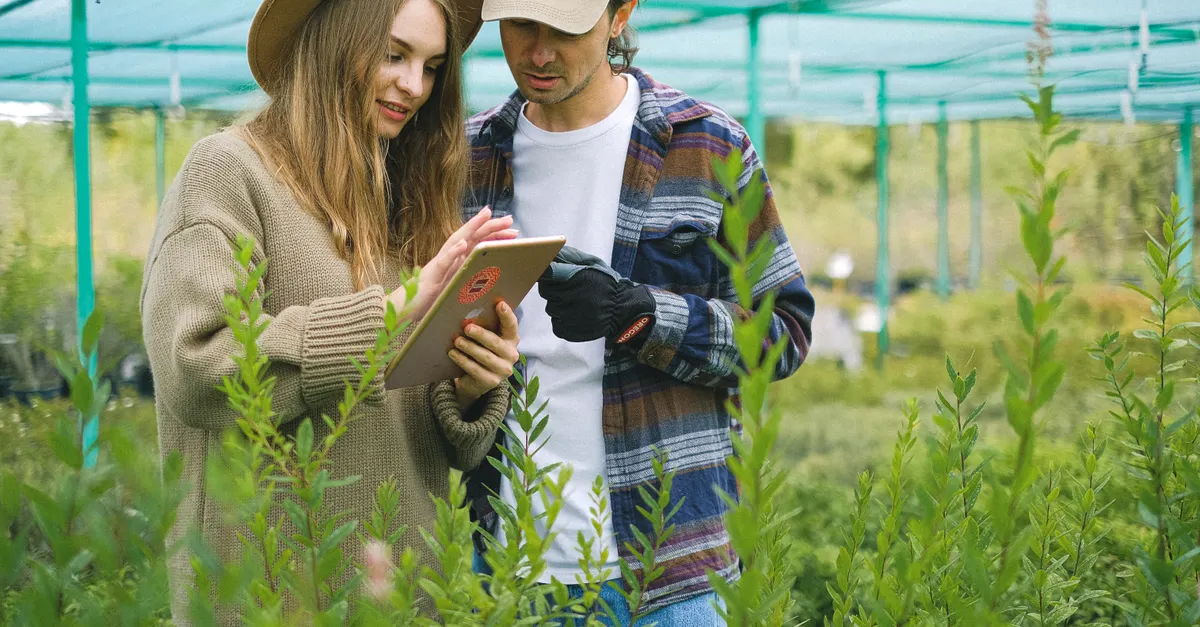
Organic gardening continues to evolve as more gardeners seek environmentally responsible ways to grow food and support local ecosystems. As we move into 2024, several new and expanding trends are shaping how people approach their gardens. These developments reflect a growing awareness of sustainability, biodiversity, and the benefits of working in harmony with nature. In this article, we’ll explore the most significant organic gardening trends to watch, offering practical insights and actionable ideas for gardeners of all experience levels.
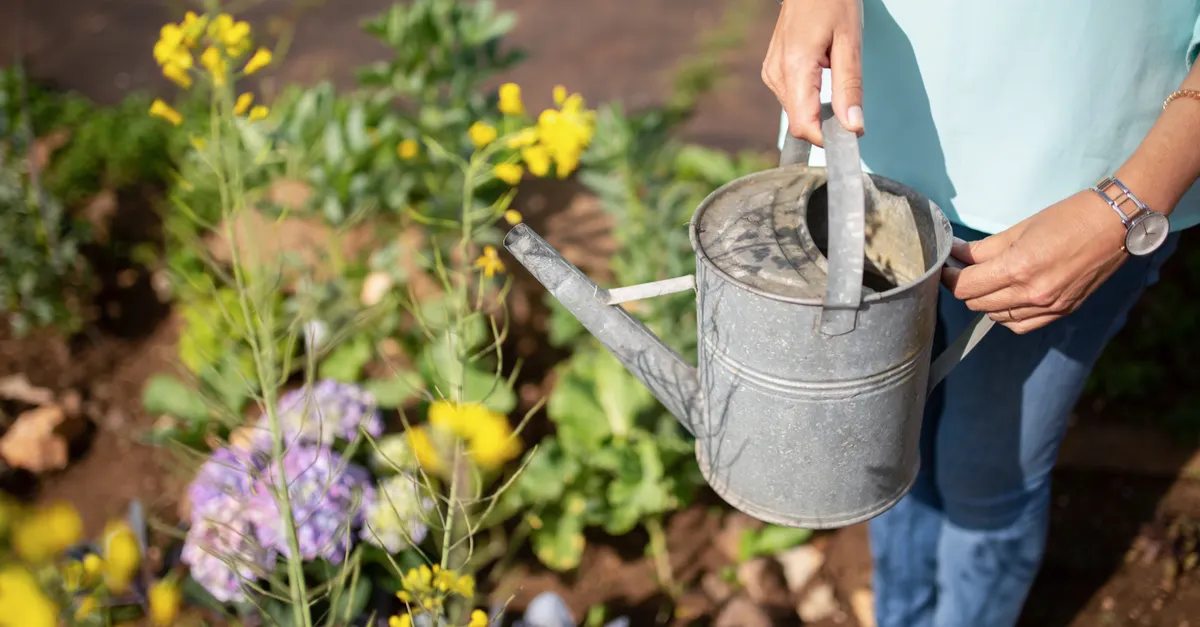
Sustainable Gardening Practices Gain Momentum
One of the most prominent organic gardening trends to watch in 2024 is the widespread adoption of sustainable practices. Sustainable gardening involves methods that reduce environmental impact, conserve resources, and promote biodiversity. This approach is not only beneficial for the planet but also creates healthier, more resilient gardens.
According to a recent study by the National Wildlife Federation, 28% of U.S. adults are now purchasing plants that benefit native bees, butterflies, and birds, an increase from 25% in 2019. This shift highlights a growing commitment to supporting pollinators and local wildlife. Additionally, 17% of adults are choosing plants native to their region, up from 14% in 2019. Native plants typically require less water, fertilizer, and maintenance, making them ideal for sustainable landscapes.
Key sustainable practices include:
- Using compost and organic mulch to enrich soil naturally
- Reducing chemical inputs by relying on natural pest control methods
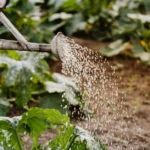
- Collecting rainwater and practicing efficient irrigation
- Planting cover crops to improve soil health and prevent erosion
For gardeners with limited space, there are many organic gardening techniques for small spaces that can help maximize sustainability and productivity.
Micro-Gardens and Year-Round Growing Techniques
As urbanization increases and available gardening space shrinks, micro-gardens are becoming more popular. Micro-gardening refers to growing edible or ornamental plants in small, often unconventional spaces such as balconies, patios, rooftops, or even windowsills. These compact gardens make organic growing accessible to people living in apartments or homes with limited land.
Innovative techniques for micro-gardens include vertical gardening, container planting, and hydroponics. These methods allow gardeners to make the most of their space while still enjoying the benefits of fresh, homegrown produce. Additionally, many are turning to year-round gardening by using cold frames, hoop houses, or indoor grow lights to extend the growing season. This approach reduces reliance on store-bought produce and helps gardeners enjoy fresh food throughout the year.
Year-round gardening also supports sustainability by reducing transportation emissions associated with out-of-season produce and encouraging a more diverse, resilient garden ecosystem.
Converting Lawns to Natural Landscapes
Another significant trend for 2024 is the transformation of traditional lawns into natural landscapes. Lawns, while visually appealing, often require substantial water, fertilizer, and maintenance. In contrast, natural landscapes use native grasses, wildflowers, and shrubs to create a more sustainable and biodiverse environment.
According to the National Wildlife Federation, 12% of U.S. adults are converting parts of their lawn to natural landscapes, up from 9% in 2019. This shift is driven by several benefits:
- Water conservation: Native plants typically need less irrigation than turf grass.
- Reduced chemical use: Natural landscapes minimize the need for synthetic fertilizers and pesticides.
- Wildlife habitat: These areas provide food and shelter for pollinators, birds, and beneficial insects.
- Lower maintenance: Once established, natural landscapes require less mowing and upkeep.
To start converting a lawn, gardeners can gradually replace sections of grass with native plant beds, install pathways, or create rain gardens to manage stormwater. This approach not only enhances the beauty of the garden but also contributes to local ecological health.
Wildlife-Friendly Gardening and Habitat Certification
Creating gardens that support local wildlife is an increasingly important aspect of organic gardening trends to watch. Wildlife-friendly gardening involves designing outdoor spaces that provide food, water, shelter, and nesting sites for birds, pollinators, and other beneficial creatures.
Interest in wildlife habitats has grown significantly. As of 2024, over 300,000 gardens have become Certified Wildlife Habitats through the National Wildlife Federation. This certification recognizes gardens that meet specific criteria for supporting wildlife, such as using native plants, providing water sources, and avoiding harmful chemicals.
Key steps to create a wildlife-friendly garden include:
- Planting a diverse mix of native species to attract different pollinators and birds
- Providing water features like birdbaths or small ponds
- Leaving some areas undisturbed for nesting and shelter
- Eliminating or reducing pesticide use
Gardeners interested in certification can review the requirements on the National Wildlife Federation’s website and gradually adapt their gardens to meet these standards. Achieving certification not only benefits local wildlife but also connects gardeners to a broader community of environmentally conscious individuals.
Conclusion: Putting Organic Gardening Trends Into Practice
The landscape of organic gardening is shifting as more people embrace sustainability, biodiversity, and innovative growing methods. By adopting sustainable practices, exploring micro-gardens, converting lawns to natural landscapes, and creating wildlife-friendly spaces, gardeners can make a positive impact on their environment and community.
Whether you’re just starting out or looking to deepen your commitment to organic gardening, these trends offer practical ways to enhance your garden’s health and resilience. Start by choosing one or two new practices to incorporate this year, and enjoy the rewards of a thriving, eco-friendly garden.
Frequently Asked Questions
What are the main organic gardening trends to watch in 2024?
The most notable developments include sustainable gardening practices, the use of native plants, micro-gardening and year-round growing, converting lawns to natural landscapes, and wildlife-friendly gardening with habitat certification.
How do native plants contribute to sustainable gardening?
Native plants are adapted to local soil and climate conditions, requiring less water, fertilizer, and maintenance. They also provide essential resources for pollinators and wildlife, supporting biodiversity and ecosystem health.
What are the benefits of turning a lawn into a natural landscape?
Converting a lawn to a natural landscape conserves water, reduces the need for chemicals, lowers maintenance, and creates habitat for wildlife. This approach supports sustainability and can enhance the visual appeal of your outdoor space.