Growing fresh, healthy produce in a small space is not only possible—it’s rewarding and sustainable. With the right organic gardening techniques for small spaces, you can transform balconies, patios, or tiny yards into productive green oases. This guide covers practical methods and step-by-step strategies to help you maximize every inch, improve soil health, and enjoy a steady harvest, even when space is limited.
Getting Started: Organic Gardening in Compact Areas
Organic gardening means cultivating plants without synthetic fertilizers or pesticides, focusing instead on natural processes and materials. For those with limited outdoor space, this approach offers a way to grow nutritious food while supporting local biodiversity and reducing environmental impact. Small-space gardening is about making the most of what you have—whether it’s a sunny windowsill, a tiny backyard, or a modest balcony. By using smart design and sustainable practices, you can enjoy a thriving garden no matter the size of your plot.
Maximizing Space with Vertical Gardening
One of the most effective organic gardening techniques for small spaces is vertical gardening. This method involves growing plants upward rather than outward, allowing you to use walls, fences, or specially built structures to increase your planting area.
What Is Vertical Gardening?
Vertical gardening uses supports like trellises, shelves, or hanging systems to elevate plants off the ground. This technique is ideal for vining crops (such as peas, beans, and cucumbers), as well as herbs and leafy greens. It not only saves space but also improves air circulation and makes harvesting easier.
Step-by-Step: Building a Simple Vertical Structure
- Choose Your Location: Select a wall, fence, or balcony railing that receives at least 6 hours of sunlight daily.
- Gather Materials: You’ll need sturdy supports such as wooden pallets, wire mesh, or modular shelving. For DIY trellises, bamboo stakes or recycled ladders work well.
- Install the Structure: Secure your chosen support vertically against the wall or fence. Make sure it’s stable enough to hold the weight of mature plants and containers.
- Add Containers or Planters: Attach pots, fabric pockets, or recycled bottles to the structure. Ensure good drainage and easy access for watering.
- Plant and Maintain: Choose compact or trailing varieties. Water regularly and check for pests, as vertical gardens can dry out faster than ground beds.
For more creative ideas, explore vertical gardening ideas that are specifically designed for vegetables and tight spaces.
Improving Soil Fertility in Small Gardens
Healthy, fertile soil is the foundation of any productive garden, but it’s especially crucial when space is limited. According to Mother Earth News, composting is one of the best ways to enrich soil and support robust plant growth in small areas.
Micro-Composting: A Space-Saving Solution
Traditional compost bins can be too large for small gardens, but micro-composting offers a compact alternative. Here’s how to get started:
- Choose a Container: Use a small bin, bucket, or even a large flowerpot with drainage holes. A container as small as 2–5 gallons works for micro-composting.
- Add Materials: Layer kitchen scraps (fruit and vegetable peels, coffee grounds) with dry materials like shredded paper or leaves. Avoid meat, dairy, and oily foods.
- Aerate Regularly: Stir the contents every few days to speed up decomposition and prevent odors.
- Harvest Compost: In a few weeks to a couple of months, you’ll have rich, crumbly compost to mix into your containers or raised beds.
Even in the smallest spaces, this approach helps recycle waste and boost soil fertility without taking up much room.
Companion Planting Strategies for Limited Areas
Companion planting involves growing different plant species together to enhance growth, deter pests, and make the most of available space. In small gardens, smart pairings can improve yields and reduce the need for chemical interventions.
Effective Plant Pairings
- Tomatoes and Basil: Basil repels pests and may improve tomato flavor.
- Carrots and Onions: Onions deter carrot flies, while carrots help break up soil for onions.
- Beans and Lettuce: Beans fix nitrogen in the soil, benefiting leafy greens like lettuce.
- Radishes and Cucumbers: Radishes mature quickly and can be harvested before cucumbers need more space.
By planning your garden layout with these combinations, you can maximize productivity and maintain a healthy, balanced ecosystem.
Container Gardening: Making the Most of Pots and Planters
When ground space is scarce, container gardening is a practical way to grow a wide variety of plants. Containers can be placed on patios, balconies, or even windowsills, making them ideal for urban gardeners.
Choosing the Right Containers
- Size: Select containers large enough for the plant’s root system. For tomatoes or peppers, use at least a 5-gallon pot; for herbs, smaller pots are sufficient.
- Material: Terracotta, plastic, and fabric grow bags each have pros and cons. Fabric bags offer good drainage and air pruning for roots.
- Drainage: Ensure every container has holes to prevent waterlogging.
Innovative Container Solutions
- Stackable Planters: These allow you to grow multiple crops vertically.
- Hanging Baskets: Perfect for strawberries, lettuce, or trailing herbs.
- Repurposed Items: Old buckets, crates, or even shoes can be turned into quirky planters.
When selecting plants, opt for compact or dwarf varieties that thrive in confined conditions. Herbs, salad greens, radishes, and cherry tomatoes are excellent choices.
Succession Planting for Continuous Harvests
Succession planting is a technique where new crops are sown as soon as previous ones are harvested, ensuring a steady supply of fresh produce throughout the season. This method is especially valuable in small gardens, where maximizing output is key.
How to Plan Succession Planting
- Make a Planting Calendar: Note the days to maturity for each crop and plan to replant as soon as space becomes available.
- Choose Fast-Growing Crops: Radishes, lettuce, spinach, and arugula can be harvested in as little as 30 days, allowing for multiple rounds.
- Stagger Plantings: Sow a few seeds every week or two rather than all at once. This spreads out the harvest and avoids gluts.
By rotating crops and keeping beds full, you’ll make the most of your limited space and enjoy fresh produce for a longer period.
Other Sustainable Practices for Small-Space Gardens
In addition to the techniques above, there are several other ways to make your small garden more productive and eco-friendly:
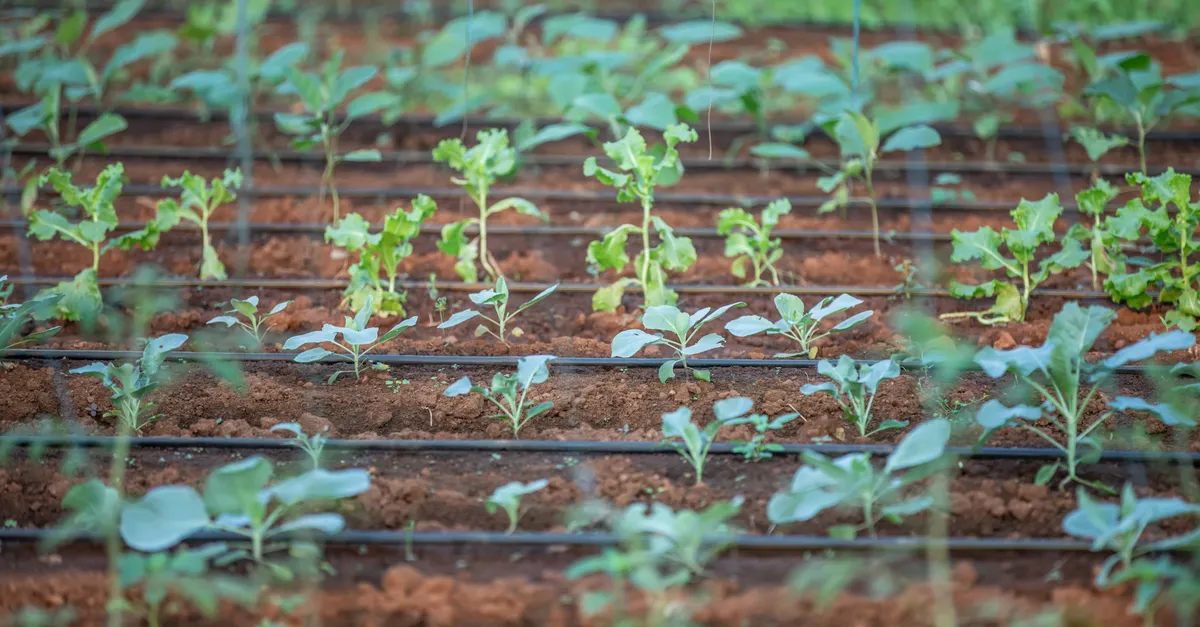
- Water Wisely: Use drip irrigation, mulch, or self-watering containers to conserve moisture. For more on this, see these organic gardening and water conservation tips.
- Intensive Planting: Plant crops closer together than traditional spacing recommends, but ensure good airflow to prevent disease.
- Crop Rotation: Even in containers, rotating crops each season helps prevent soil-borne diseases and nutrient depletion.
Conclusion: Embrace Creativity and Resourcefulness
Small-space gardening is all about innovation and making the most of every inch. By applying these organic gardening techniques for small spaces—from vertical setups and micro-composting to smart plant pairings and succession planting—you can enjoy a productive, sustainable garden no matter where you live. Experiment, observe what works best in your unique space, and don’t be afraid to try new approaches. With a bit of creativity, your small garden can yield big rewards.
Frequently Asked Questions
What are the best crops for small-space organic gardens?
Compact or dwarf varieties of tomatoes, peppers, lettuce, spinach, radishes, herbs, and bush beans are all excellent choices for limited areas. These plants thrive in containers and vertical setups, making them ideal for balconies and patios.
How can I improve soil fertility if I don’t have room for a compost bin?
Try micro-composting in a small bucket or container. Layer kitchen scraps with dry materials, stir regularly, and use the finished compost to enrich your soil. You can also use worm bins or bokashi systems for even smaller spaces.
Is vertical gardening suitable for all types of plants?
Vertical gardening works best for vining crops (like peas and cucumbers), trailing herbs, and compact leafy greens. Root vegetables and large fruiting plants may not be suitable for vertical structures but can thrive in deep containers.