Organic gardening is rooted in working with nature, but even the most sustainable gardens face the challenge of using water wisely. As climate patterns shift and droughts become more common, finding effective ways to conserve water is crucial for anyone committed to growing food or flowers organically. By understanding your soil, choosing the right plants, and adopting smart watering strategies, you can maintain a thriving garden while minimizing water use. This guide explores practical, evidence-based methods for combining organic gardening and water conservation—including a unique focus on testing your soil’s water retention to tailor your approach.
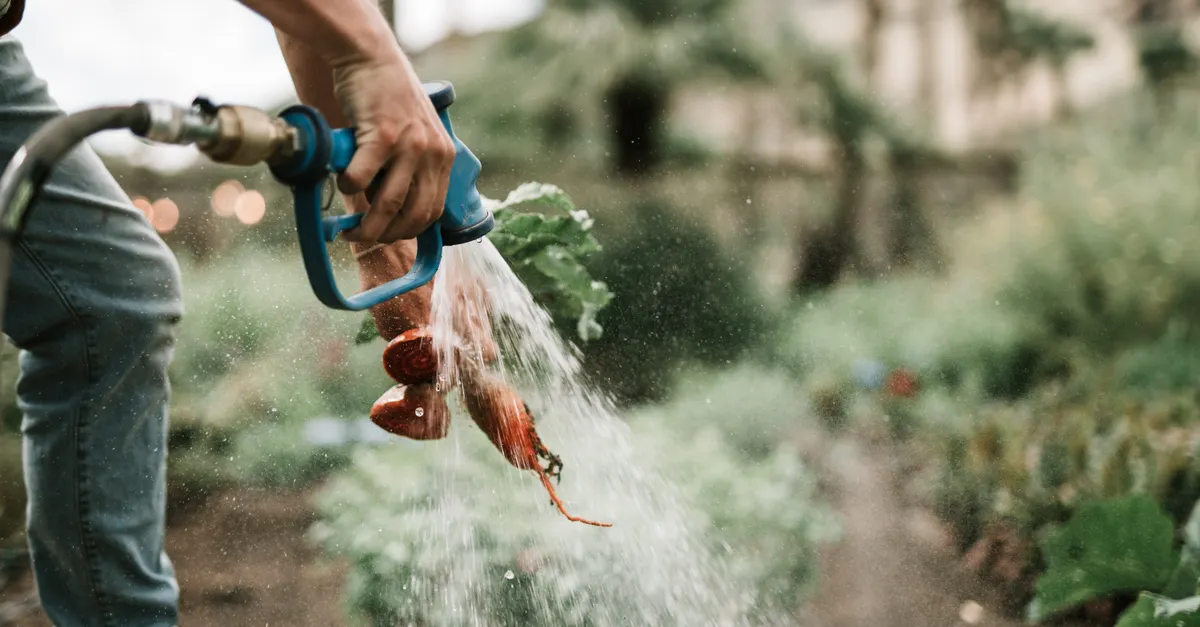
How Soil Type Influences Water Conservation
One of the most important factors in managing water in any garden is understanding your soil. The type of soil you have—whether it’s sandy, loamy, or clay—directly affects how much water is retained and how often you need to irrigate. Clay soils hold water well but can become compacted, making it harder for roots to access moisture. Sandy soils, on the other hand, drain quickly and often require more frequent watering. Loam, a balanced mix of sand, silt, and clay, is ideal for most organic gardens because it retains moisture while allowing excess water to drain away.
To optimize organic gardening and water conservation, it’s essential to test your soil’s water retention capabilities. Here’s a simple method:
- Dig a hole about 12 inches deep and fill it with water.
- Allow the water to drain completely, then refill the hole.
- Measure how long it takes for the water to drain the second time.
If the water drains in less than two hours, your soil is likely sandy and may need organic matter to improve retention. If it takes more than four hours, you probably have clay-heavy soil, which could benefit from added compost to improve structure and drainage. Regular soil testing helps you adjust your watering schedule and soil amendments for maximum efficiency.
Choosing Drought-Resistant Plants for Water Efficiency
Plant selection plays a significant role in conserving water. Drought-resistant or drought-tolerant plants are varieties that thrive with minimal irrigation once established. These plants often have deep root systems, waxy or small leaves, and other adaptations that reduce water loss. Incorporating such species into your garden reduces the need for frequent watering and helps your garden withstand dry spells.
Some excellent choices for organic gardens include:
- Herbs like rosemary, thyme, and sage
- Vegetables such as okra, eggplant, and certain tomato varieties
- Native wildflowers and grasses adapted to your local climate
When planning your garden, group plants with similar water needs together. This technique, known as hydrozoning, allows you to water more efficiently and avoid over- or under-watering different species. For more on how organic growing methods can support resilient communities, see this resource on organic gardening for food security.
Maximizing Water Retention with Organic Mulches
Applying organic mulch is one of the most effective ways to conserve moisture in the soil. Mulch acts as a barrier, reducing evaporation, moderating soil temperature, and suppressing weeds that compete for water. Common organic mulches include straw, shredded leaves, grass clippings, wood chips, and compost.
To use mulch effectively:
- Apply a 2–4 inch layer around plants, keeping mulch a few inches away from stems to prevent rot.
- Replenish mulch as it decomposes to maintain coverage throughout the growing season.
- Use finer mulches (like compost or shredded leaves) for vegetable beds and coarser materials (like wood chips) for pathways or perennial borders.
Besides conserving water, organic mulches improve soil structure as they break down, increasing the soil’s ability to retain moisture over time. This dual benefit makes mulching a cornerstone of organic gardening and water conservation strategies.
Innovative Irrigation Methods for Organic Gardens
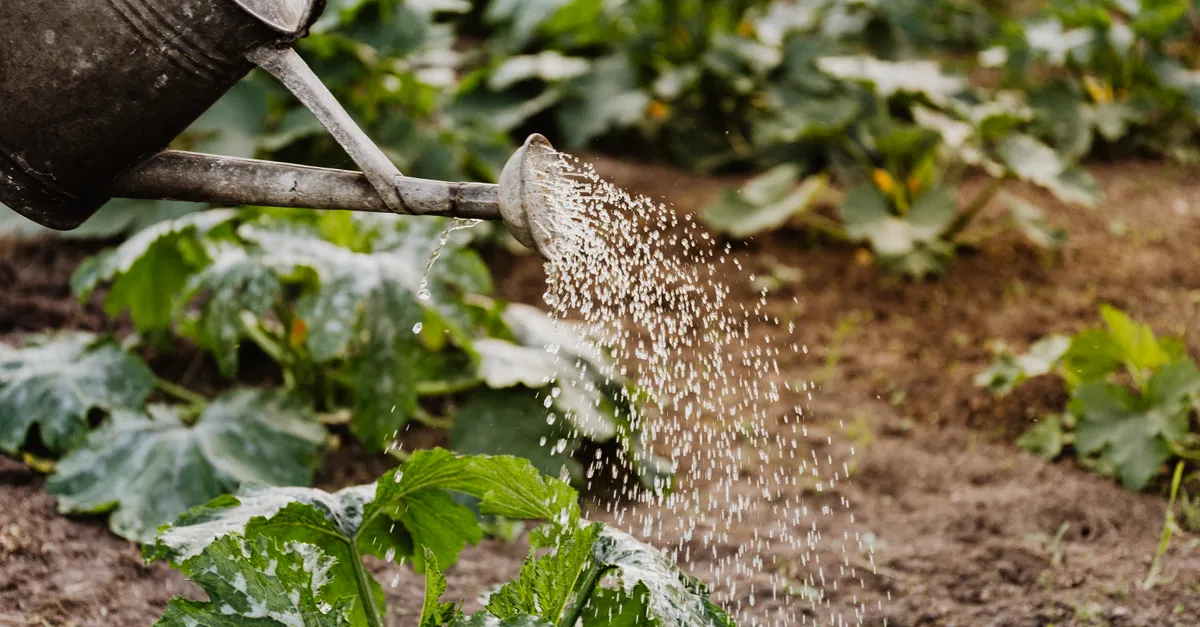
Traditional overhead sprinklers are often inefficient, leading to water loss through evaporation and runoff. More targeted irrigation methods can make a significant difference in how much water your garden uses. Drip irrigation systems, soaker hoses, and even simple DIY solutions can deliver water directly to plant roots where it’s needed most.
One practical, low-cost technique involves repurposing household items. For example, you can create a slow-release watering system by modifying a milk jug:
- Poke several small holes in the bottom and sides of a clean, empty jug.
- Bury the jug next to your plants, leaving the top accessible for refilling.
- Fill the jug with water, which will slowly seep into the soil, providing consistent moisture.
This approach is especially useful for deep-rooted vegetables and helps prevent surface evaporation. Regularly check your irrigation systems for leaks or clogs to ensure they operate efficiently and only water when necessary, ideally in the early morning or late evening to reduce evaporation.
Applying Xeriscaping Principles to Organic Gardening
Xeriscaping is a landscaping philosophy that emphasizes water efficiency through thoughtful design and plant selection. While often associated with arid climates, its principles can be adapted to any organic garden to reduce water use by as much as 35 to 75 percent.
Key xeriscaping strategies include:
- Designing garden beds to capture and direct rainwater toward plants
- Using drought-tolerant native species
- Minimizing lawn areas in favor of mulched beds or groundcovers
- Grouping plants by water needs to streamline irrigation
By integrating xeriscaping concepts, organic gardeners can create beautiful, productive spaces that require far less water. This approach not only conserves resources but also reduces maintenance and supports local biodiversity.
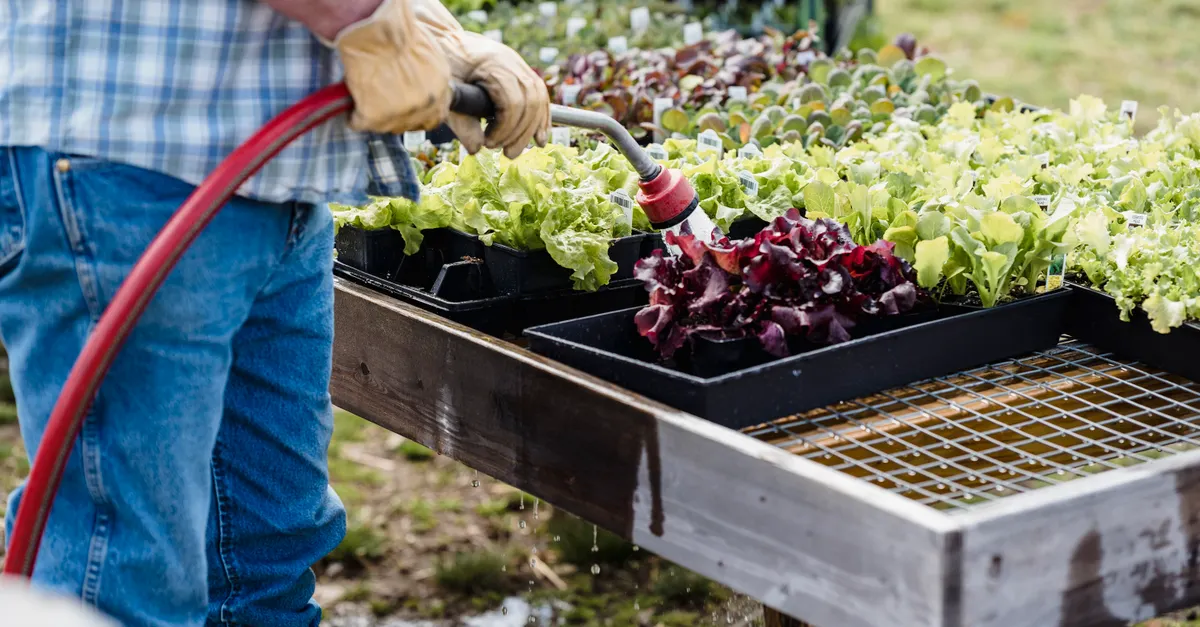
Conclusion: Building a Sustainable Water Strategy for Your Garden
Combining organic gardening and water conservation is not just about saving water—it’s about building a resilient, sustainable garden that thrives in changing conditions. By understanding your soil, choosing the right plants, using organic mulches, and adopting efficient irrigation and design strategies, you can significantly reduce water use without sacrificing productivity or beauty. Regularly testing your soil’s water retention and adjusting your practices ensures that your efforts are tailored to your unique environment. With these techniques, organic gardeners can protect this vital resource and set an example for sustainable living.
Frequently Asked Questions
How can I test my garden soil for water retention?
Dig a hole about 12 inches deep, fill it with water, and let it drain. Refill the hole and time how long it takes for the water to drain again. Fast drainage (under two hours) indicates sandy soil, while slow drainage (over four hours) suggests clay. Adjust your watering and soil amendments based on these results.
What are the best mulches for conserving water in organic gardens?
Effective organic mulches include straw, shredded leaves, grass clippings, compost, and wood chips. These materials help retain moisture, suppress weeds, and improve soil structure as they decompose.
Are there simple ways to irrigate my garden more efficiently?
Yes, using drip irrigation, soaker hoses, or DIY solutions like modified milk jugs can deliver water directly to plant roots, reducing evaporation and runoff. Watering early in the day and checking for leaks also improves efficiency.