Root rot is one of the most common and destructive problems gardeners face, especially when growing vegetables, houseplants, or ornamentals. It occurs when plant roots are exposed to excess moisture for prolonged periods, leading to fungal or bacterial infections that can quickly kill even healthy plants. Understanding how to prevent root rot is essential for anyone who wants to maintain a thriving garden or indoor plant collection.
This guide covers the most effective watering and drainage strategies to keep your plants healthy and resilient. You’ll also find practical advice on soil selection, container choices, and early warning signs to watch for. For those interested in broader plant health, you may also want to explore how to identify plant diseases before they spread.

Understanding the Causes of Root Rot
Before you can effectively guard against root rot, it’s important to know what causes it. The primary culprit is overwatering or poor drainage, which creates an environment where harmful fungi and bacteria thrive. These pathogens attack the roots, causing them to turn brown, mushy, and unable to absorb nutrients.
- Waterlogged soil suffocates roots, depriving them of oxygen.
- Dense or compacted soil prevents excess water from draining away.
- Pots without drainage holes trap water at the bottom, increasing risk.
- Frequent rain or irrigation in low-lying garden beds can also contribute.
Recognizing these risk factors is the first step in developing a strategy to keep your plants safe.
Smart Watering Techniques to Avoid Root Rot
Proper watering is at the heart of root rot prevention. Here are some essential tips to help you water wisely:
- Check soil moisture before watering: Stick your finger about an inch into the soil. If it feels dry, it’s time to water. If it’s still moist, wait another day.
- Water deeply but less frequently: Deep watering encourages roots to grow downward, away from the surface, making them more resilient. Allow the top layer of soil to dry out between waterings.
- Water early in the day: Morning watering gives plants time to absorb moisture before the heat of the day, reducing the risk of fungal growth overnight.
- Use a soil moisture meter: For greater accuracy, consider using a moisture meter to monitor levels and avoid guesswork.
Adopting these habits will help you maintain the right balance of moisture and air in the root zone, which is crucial for healthy plant growth.
Improving Drainage for Healthier Roots
Even with careful watering, poor drainage can still lead to soggy soil and root problems. Here’s how to enhance drainage in both garden beds and containers:
For Garden Beds
- Amend heavy soils: Mix in organic matter like compost, leaf mold, or coarse sand to improve structure and water movement.
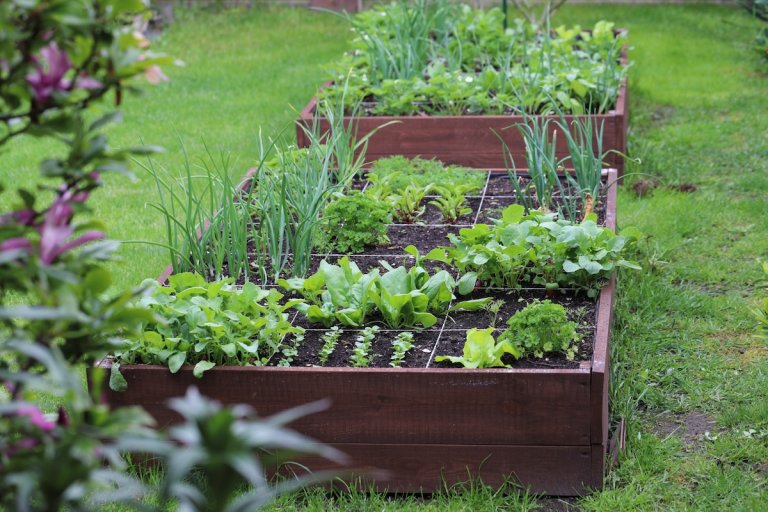
- Build raised beds: Elevating your planting area helps excess water flow away from roots. Raised beds are especially useful in areas with clay soil or heavy rainfall.
- Choose the right location: Avoid low-lying spots where water tends to collect after rain.
For Containers
- Use pots with drainage holes: Always select containers that allow water to escape freely from the bottom.
- Layer with gravel or broken pottery: Place a thin layer at the bottom to prevent soil from blocking the holes, but don’t rely solely on this for drainage.
- Select fast-draining potting mix: Look for mixes labeled for cacti, succulents, or vegetables, as these are designed to drain quickly.
For more ideas on sustainable gardening methods, check out how to grow vegetables sustainably for eco-friendly tips that also support root health.
Choosing the Right Soil and Amendments
The type of soil you use plays a major role in keeping roots healthy and free from rot. Here’s what to consider:
- Well-draining soil: Select or create a mix that allows water to move through quickly but retains enough moisture for plant needs.
- Organic matter: Compost, coconut coir, and bark chips help improve soil structure and drainage.
- Avoid heavy clay: Clay soils hold water and can suffocate roots. Amend with sand or compost to lighten the texture.
If you’re starting a new garden, you might find this step-by-step guide to starting a veggie garden from scratch helpful for planning your soil and layout.
Spotting Early Signs and Taking Action
Early detection is key to saving plants from root rot. Watch for these warning signs:
- Yellowing leaves that wilt despite moist soil
- Stunted growth or sudden decline in vigor
- Brown, mushy roots when you inspect below the soil surface
- Unpleasant odor from the soil, indicating decay
If you notice any of these symptoms, act quickly:
- Remove the plant from its pot or bed and inspect the roots.
- Trim away all affected, mushy roots with sterilized scissors.
- Repot or replant in fresh, well-draining soil.
- Reduce watering and allow the soil to dry out before the next watering.
For natural remedies and further treatment options, see how to treat fungal infections in plants.
Additional Tips for Keeping Roots Healthy
- Rotate crops in vegetable gardens to prevent buildup of soil-borne pathogens.
- Clean tools and pots regularly to avoid spreading disease.
- Space plants properly to promote airflow and reduce humidity around roots.
- Mulch carefully: Use mulch to retain moisture, but keep it away from the base of stems to prevent excess dampness.
- Monitor weather patterns and adjust watering accordingly during rainy periods.
Learning about the differences between seed types can also help you select varieties less prone to disease. For more, read heirloom vs hybrid seeds explained.
FAQ
What is the best way to water plants to avoid root rot?
The most effective method is to water deeply but infrequently, allowing the top inch of soil to dry out between waterings. Always check moisture levels before adding more water, and use a moisture meter for accuracy.
Can root rot be reversed once it starts?
If caught early, you can save a plant by removing affected roots, repotting in fresh soil, and improving drainage. Severely infected plants may not recover, so prevention is always better than cure.
Are certain plants more susceptible to root rot?
Yes, plants that prefer dry or well-drained conditions, such as succulents, cacti, and many herbs, are especially vulnerable. Always match your watering and soil practices to the needs of each species.
How can I tell if my soil drains well enough?
After watering, observe how quickly water disappears from the surface. Well-draining soil should not stay soggy for more than a few hours. You can also dig a small hole, fill it with water, and see if it drains within 30 minutes.
Should I use fungicides to prevent root rot?
Fungicides can help in severe cases, but the most effective approach is to maintain proper watering and drainage. Healthy soil and good gardening practices are your best defense.
By following these watering and drainage tips, you’ll significantly reduce the risk of root rot and help your plants thrive. For more information on common plant diseases and how to address them, visit common vegetable plant diseases.