Embracing a homesteading lifestyle doesn’t require acres of land or a rural address. With thoughtful planning and a bit of creativity, you can enjoy the rewards of self-sufficiency even in the smallest spaces. Whether you live in an apartment, townhouse, or have a modest backyard, there are plenty of ways to grow food, raise herbs, and develop practical skills right where you are.
This guide explores practical steps for launching your own compact homesteading ventures. From container gardening to maximizing vertical space, you’ll discover how to make the most of what you have. For those interested in expanding their knowledge, resources like the modern homesteading fencing guide offer additional insights into making the most of limited areas.
Getting Started with Compact Homesteading
The first step in launching small-space homesteading efforts is to assess your available area and set realistic goals. Consider balconies, patios, windowsills, or even sunny indoor corners as potential growing spots. Start by listing what you hope to achieve—whether it’s growing fresh vegetables, cultivating herbs, or learning food preservation techniques.
- Evaluate sunlight: Track how much direct light your space receives each day.
- Measure available space: Note the dimensions of your balcony, patio, or windowsill.
- Set priorities: Decide if your focus will be on food, herbs, or other homesteading skills.
Creative Gardening Solutions for Limited Areas
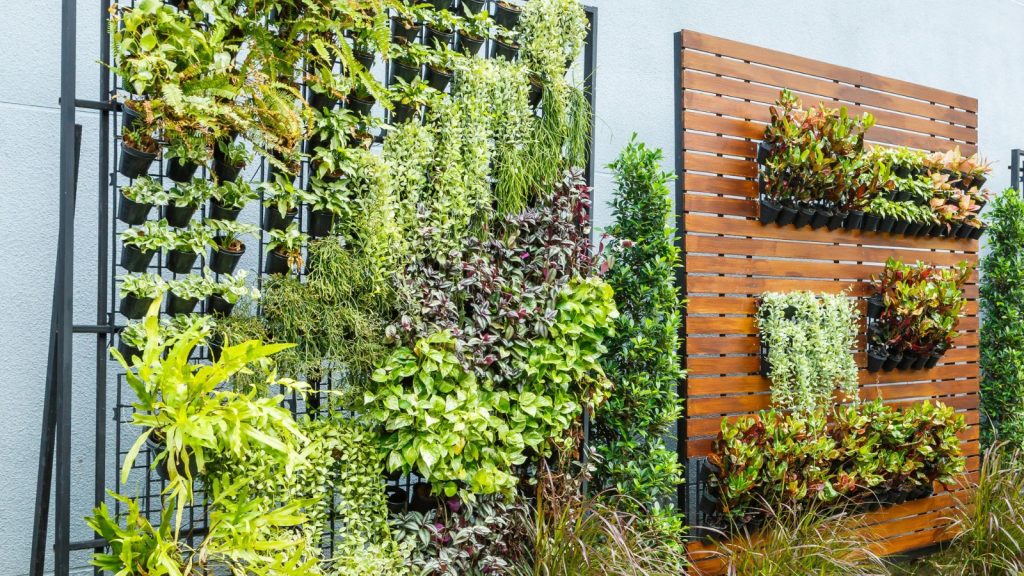
One of the most popular ways to begin is by starting a container or vertical garden. These methods allow you to grow a surprising amount of produce in a small footprint. Using stackable planters, wall-mounted pockets, or shelves, you can cultivate everything from salad greens to strawberries.

Choosing the Right Containers and Tools
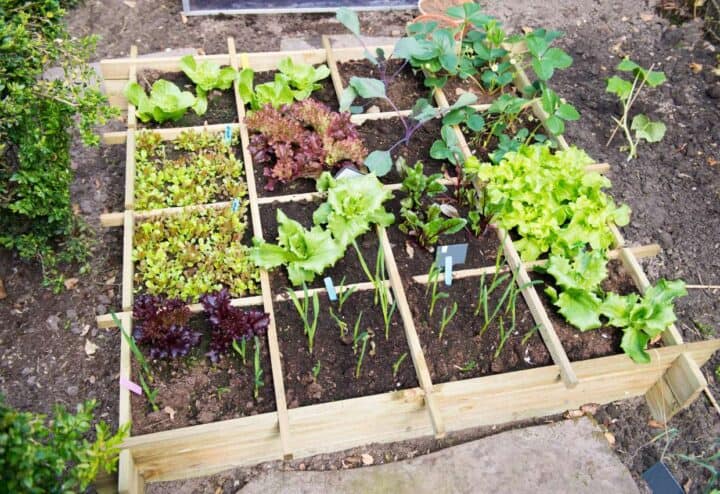
Select containers that fit your space and the types of plants you want to grow. Fabric grow bags, window boxes, and raised beds are all excellent options. If you’re gardening indoors or in a shaded area, consider supplementing with LED grow lights to ensure healthy plant growth.
- Fabric grow bags: Lightweight, breathable, and easy to move.
- Self-watering containers: Help maintain consistent moisture.
- Vertical planters: Maximize growing area on walls or fences.
Maximizing Yields with Vertical and Stacked Gardens
Vertical gardening is a game-changer for those with minimal ground space. Use trellises, shelves, or hanging baskets to grow vining crops like peas, beans, or cucumbers. Wall-mounted planters are ideal for herbs and leafy greens. This approach not only increases your harvest but also adds greenery and privacy to balconies or patios.
Essential Skills for Urban Homesteaders
Beyond gardening, small-space homesteading is about building practical skills that support self-reliance. Learning to compost, preserve food, and make simple DIY repairs can help you get the most from your efforts, even in a compact environment.
- Composting: Use a small bin or worm composter to recycle kitchen scraps into nutrient-rich soil.
- Food preservation: Try fermenting, pickling, or dehydrating your harvest to reduce waste.
- DIY repairs: Mastering basic tool use and maintenance can save money and extend the life of your equipment.
Growing Herbs and Microgreens Indoors
If outdoor space is extremely limited, focus on growing herbs and microgreens indoors. These crops require minimal space and can thrive on a sunny windowsill or under grow lights. Basil, parsley, chives, and cilantro are all easy to start from seed and provide fresh flavor for your kitchen.
Tips for Successful Indoor Growing
To get the best results, use high-quality potting mix and ensure your containers have good drainage. Rotate your plants regularly to promote even growth, and harvest microgreens when they reach a few inches tall for the best flavor and nutrition.
Budget-Friendly Approaches to Urban Homesteading
Starting a homesteading journey in a small space doesn’t have to be expensive. Repurpose containers, use recycled materials, and start with seeds rather than seedlings to keep costs down. For more ways to save, check out the modern homesteading budgeting tips for practical advice.
- Reuse food containers as seed starters.
- Collect rainwater for watering plants (where permitted).
- Swap seeds and cuttings with neighbors or local gardening groups.
Learning from Other Small-Space Homesteaders
Many people have successfully transformed balconies, patios, and even rooftops into productive mini-homesteads. For inspiration and a sense of what’s possible, visit resources like what’s possible on a small homestead, which showcases creative solutions and real-life examples.
Connecting with local or online communities can also provide support and new ideas. Don’t hesitate to share your progress and ask questions—homesteading is a journey best enjoyed with others.
Frequently Asked Questions
What are the easiest crops to grow in a small space?
Leafy greens like lettuce, spinach, and arugula, as well as herbs such as basil and parsley, are among the simplest and most productive options for compact gardens. Radishes and microgreens also mature quickly and require little space.
How can I compost if I don’t have a yard?
Indoor composting is possible with a small bin or a worm composting system (vermicomposting). These setups are odor-free when managed properly and can fit under a sink or in a closet, turning kitchen scraps into valuable soil for your plants.
Do I need special equipment to start an indoor garden?
While you can begin with basic containers and potting mix, adding LED grow lights can help if your space lacks natural sunlight. Self-watering containers and fabric grow bags are also helpful for maintaining healthy plants indoors.
Conclusion
Launching your own homesteading projects in a small space is both achievable and rewarding. By starting with container or vertical gardening, learning essential skills, and connecting with others, you can enjoy fresh food and greater self-sufficiency no matter where you live. For additional ideas, explore topics like modern homesteading herbal garden ideas and continue building your knowledge as your space and confidence grow.