
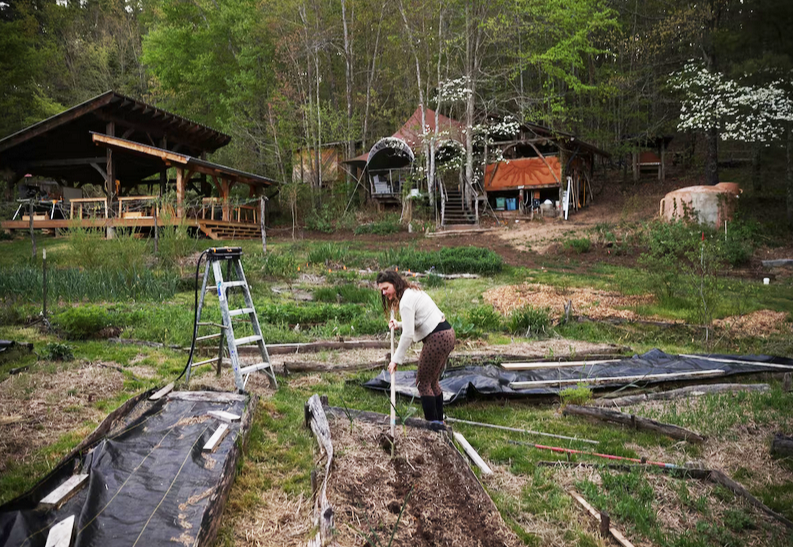
Embracing a self-sufficient lifestyle can be deeply rewarding, but it also comes with unique financial challenges. Whether you’re just starting out or looking to refine your approach, understanding how to manage expenses, plan for seasonal needs, and make the most of available resources is key to thriving in a modern homesteading environment. This article offers practical advice, actionable strategies, and essential modern homesteading budgeting tips to help you achieve your goals without overspending.
Before diving into the details, consider exploring related resources like the modern homesteading fencing guide for insights on affordable infrastructure planning.
Building a Realistic Homestead Budget
The foundation of successful financial management on any homestead is a clear, realistic budget. Start by listing all expected income sources, such as off-farm jobs, produce sales, or crafts. Then, outline every anticipated expense, from mortgage or rent to seeds, animal feed, and utilities. Remember to include occasional costs like equipment repairs or seasonal supplies.
- Track monthly and annual expenses for a complete picture.
- Set aside a contingency fund for unexpected repairs or emergencies.
- Review and adjust your budget quarterly to reflect changes in needs or prices.

Essential Modern Homesteading Budgeting Tips for Daily Living
Day-to-day expenses can add up quickly if not managed carefully. Here are some proven ways to keep costs down while maintaining a comfortable, productive homestead:
- Buy in bulk for staples like grains, animal feed, and cleaning supplies to save money over time.
- Embrace DIY solutions—make your own cleaners, compost, and even basic repairs.
- Swap or barter with neighbors for goods and services rather than always spending cash.
- Track utility usage and invest in energy-saving upgrades where possible.
For more inspiration on maximizing your resources, check out the modern homesteading herbal garden ideas for ways to grow your own remedies and reduce store-bought expenses.
Seasonal Planning and Expense Management
Homesteading costs fluctuate throughout the year. Planning ahead for each season is crucial for avoiding budget surprises. In spring and summer, you may need to invest in seeds, soil amendments, and garden tools. Fall brings harvest-related expenses, while winter often means higher heating bills and animal care costs.
- Set aside funds each month for upcoming seasonal purchases.
- Preserve surplus produce to reduce winter grocery bills.
- Schedule maintenance for tools and equipment before peak seasons. For guidance, the modern homesteading tool maintenance tips can help extend the life of your investments.
Investing in Long-Term Savings
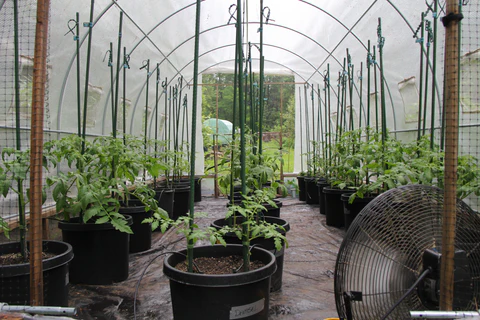
While some purchases may seem costly upfront, investing in quality tools, infrastructure, and renewable resources can lead to significant savings over time. Consider the following strategies:
- Opt for durable, well-made tools and equipment that require less frequent replacement.
- Install rainwater collection systems or solar panels to lower ongoing utility costs.
- Design your homestead layout for efficiency—see the homestead design ideas for practical tips.
Regularly reviewing your investments and their returns helps ensure that every dollar spent supports your long-term vision.
Reducing Waste and Maximizing Resources
One of the most effective ways to stretch your budget is by minimizing waste and making the most of what you have. Compost food scraps, repurpose materials, and repair rather than replace whenever possible. These habits not only save money but also align with sustainable living values.
- Compost kitchen and garden waste for free fertilizer.
- Use salvaged wood, metal, or containers for new projects.
- Organize community swaps for clothing, seeds, and tools.
For a deeper dive into the philosophy and practicalities of this lifestyle, the introduction to modern homesteading podcast provides valuable perspectives and firsthand experiences.
Tracking Progress and Adjusting Your Approach
Effective budgeting is an ongoing process. Keep detailed records of your spending and savings, and review them regularly to identify areas for improvement. Celebrate milestones, such as a successful harvest or a month of reduced expenses, and use these wins as motivation to keep refining your approach.
- Use a simple spreadsheet or budgeting app tailored to homesteading needs.
- Hold regular family or household meetings to discuss financial goals and challenges.
- Stay flexible—adjust your plans as circumstances and priorities evolve.
Frequently Asked Questions
What are the most common budgeting mistakes for new homesteaders?
Newcomers often underestimate startup costs, overlook ongoing maintenance, or fail to plan for seasonal fluctuations. It’s important to research thoroughly, build in a financial cushion, and regularly review your budget to avoid these pitfalls.
How can I save money on homestead infrastructure?
Consider building structures gradually, using reclaimed materials, and prioritizing projects that offer the greatest return on investment. Learning basic construction and repair skills can also reduce reliance on outside contractors.
Are there ways to earn extra income from a homestead?
Yes, many homesteaders supplement their income by selling produce, eggs, preserves, crafts, or offering workshops. Diversifying your income streams can help stabilize your budget and support your self-sufficiency goals.
Conclusion
Managing finances on a homestead requires careful planning, resourcefulness, and a willingness to adapt. By applying these modern homesteading budgeting tips, you can build a more resilient, sustainable, and enjoyable life—one that balances self-reliance with smart financial choices. Continue learning, connect with others in the community, and remember that every small improvement brings you closer to your vision of a thriving homestead.