Growing your own vegetables is rewarding, but enjoying the best taste from your harvest depends on picking them at the right moment and using the proper technique. Knowing how to harvest vegetables correctly ensures you get the freshest, most flavorful produce from your garden. This guide covers essential tips for timing, methods, and tools, so you can make the most of your hard work and enjoy every bite.
Whether you’re tending a backyard plot, using containers, or experimenting with how to grow vegetables in buckets, understanding the nuances of harvesting can make a noticeable difference in taste and texture. Let’s explore how to maximize your garden’s potential by picking vegetables at their peak.
Why Proper Harvesting Matters for Taste and Nutrition
Picking vegetables at the right stage is crucial for both flavor and nutritional value. When harvested too early or too late, many crops lose their sweetness, become tough, or develop bitterness. For example, peas and beans are sweetest when young and tender, while tomatoes reach their full flavor only when fully ripened on the vine.
Proper technique also helps prevent damage to plants, allowing them to continue producing throughout the season. Using the correct method for each type of vegetable preserves texture and extends shelf life, so you can enjoy your harvest longer.
Timing: The Key to Peak Flavor
Understanding the best time to pick each vegetable is the foundation of how to harvest vegetables correctly. Here are some general guidelines for common garden crops:
- Leafy greens (lettuce, spinach, kale): Harvest when leaves are young and tender. Pick outer leaves first, allowing the plant to keep growing.
- Root vegetables (carrots, beets, radishes): Check size by gently brushing away soil. Harvest when roots reach the desired diameter; waiting too long can result in woody or pithy texture.
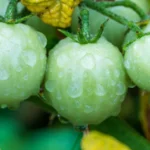
- Tomatoes and peppers: Pick when fully colored and slightly soft to the touch. For best taste, allow to ripen on the plant.
- Squash and zucchini: Harvest when fruits are small to medium-sized for the most tender texture. Overgrown squash can become tough and seedy.
- Beans and peas: Pick when pods are plump but seeds are not fully developed. Frequent picking encourages more production.
Morning is usually the best time for harvesting, as vegetables are crisp and full of moisture after a cool night. Avoid picking during the hottest part of the day, as produce can wilt quickly.

Essential Tools and Techniques for Harvesting
Using the right tools and methods is another important aspect of how to harvest vegetables correctly. Clean, sharp tools help prevent disease and minimize damage to both the plant and the produce. Here are some tips for common crops:
- Use garden scissors or pruners for herbs, leafy greens, and stems. Cut close to the base to encourage regrowth.
- For root vegetables, gently loosen soil with a fork before pulling to avoid breaking roots.
- Twist or snap beans and peas from the vine to avoid tearing the plant.
- Support heavy fruits like tomatoes with one hand while cutting the stem with the other.
Always wash and dry your tools before and after use to prevent the spread of pathogens. Consider investing in a soil moisture meter to help determine the best time for harvesting root crops, as overly wet or dry soil can make pulling difficult.
Harvesting for Continuous Production
Many vegetables will keep producing if you harvest regularly and correctly. This is especially true for crops like beans, peas, cucumbers, and leafy greens. Picking frequently not only improves flavor but also prevents plants from going to seed or becoming overripe.
Try the “cut and come again” method with greens: snip outer leaves and let the center continue growing. For indeterminate tomatoes and pole beans, regular picking encourages more flowers and fruit throughout the season.

Storing and Using Your Harvest
Once you’ve picked your vegetables, proper storage is key to maintaining flavor and freshness. Most produce should be cooled quickly and stored in the refrigerator, but some—like tomatoes and potatoes—are best kept at room temperature. Avoid washing vegetables until you’re ready to use them, as excess moisture can speed up spoilage.
If you have a bumper crop, consider preserving your harvest by freezing, canning, or pickling. This way, you can enjoy the taste of homegrown vegetables long after the season ends.
Tips for Different Garden Setups
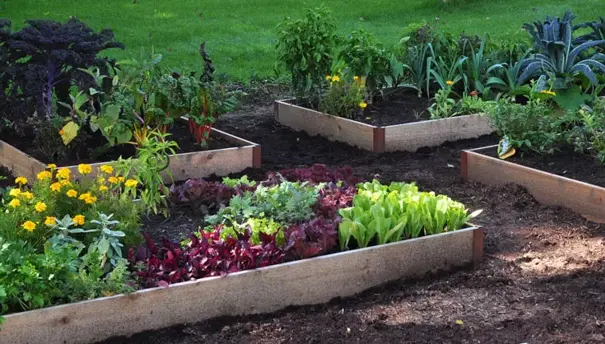
Whether you’re working with raised beds, containers, or a small balcony, the principles of how to harvest vegetables correctly remain the same. However, the timing and frequency may vary depending on your setup:
- In containers, vegetables may mature faster due to warmer soil. Check plants daily for signs of readiness.
- For small spaces, maximize your yield by picking regularly and replanting quick-growing crops.
- Urban gardeners can find more advice in resources like urban gardening ideas for beginners and how to grow food in limited space.
If you’re just starting out, the University of Maryland Extension guide to starting a vegetable garden offers helpful tips for planning, planting, and harvesting.
Common Mistakes to Avoid
Even experienced gardeners sometimes make mistakes when it comes to picking vegetables. Here are a few pitfalls to watch for:
- Waiting too long to harvest, resulting in overripe or tough produce.
- Using dull or dirty tools, which can damage plants and spread disease.
- Pulling or yanking vegetables instead of cutting or gently loosening them.
- Harvesting during the heat of the day, which can cause wilting.
By staying observant and following best practices, you can avoid these issues and enjoy a more productive, delicious garden.
Frequently Asked Questions
How do I know when my vegetables are ready to pick?
Each type of vegetable has visual and tactile signs of readiness. Look for full color, the right size for the variety, and a firm but not hard texture. For leafy greens, pick when leaves are tender; for root vegetables, check diameter; for fruits like tomatoes, wait until fully colored and slightly soft.
What tools should I use for harvesting?
Sharp scissors, pruners, or a garden knife are ideal for most crops. For root vegetables, a hand fork or trowel helps loosen soil. Always keep tools clean to prevent disease.
Can I harvest vegetables in the rain or when plants are wet?
It’s best to harvest when plants are dry to reduce the risk of spreading fungal diseases. If you must pick in wet conditions, handle plants gently and allow produce to dry before storage.