Growing your own food doesn’t require a large yard or raised beds. With a few simple supplies, anyone can start a productive vegetable garden using buckets. This approach is affordable, space-saving, and ideal for renters, urban dwellers, or anyone wanting to maximize a small area. In this guide, you’ll learn practical tips for container gardening, from choosing the right buckets to harvesting fresh produce right outside your door.
Whether you’re new to gardening or looking for a flexible way to grow more food, bucket gardening offers a straightforward solution. Not only does it save space, but it also helps control soil quality and makes moving plants easy. Before diving in, consider exploring how to maximize small garden space for even more ideas on getting the most out of limited areas.

Why Choose Buckets for Vegetable Gardening?
Using buckets as planters has several advantages. They are inexpensive, widely available, and easy to move. Buckets allow you to control soil conditions, which is especially helpful if your native soil is poor or contaminated. They’re also perfect for patios, balconies, and small yards where traditional garden beds aren’t practical.
- Affordability: Many people can find free or cheap buckets from restaurants, bakeries, or hardware stores.
- Portability: Move your plants to catch more sun or protect them from harsh weather.
- Soil Control: Fill each bucket with high-quality potting mix, reducing the risk of soil-borne diseases.
- Water Efficiency: Buckets retain moisture better than some raised beds, making them ideal for water-wise gardening.
Choosing the Best Buckets and Supplies
For successful container gardening, start with the right materials. Food-grade plastic buckets (typically 5-gallon size) are a popular choice. Avoid buckets that previously held chemicals or toxic substances. Look for the recycling symbol with a “2” (HDPE) or “5” (PP), which are safe for growing edibles.
Other essential supplies include:
- Potting mix: Use a high-quality, well-draining mix designed for containers. Avoid using garden soil alone, as it can compact and drain poorly.
- Drainage: Drill several holes in the bottom of each bucket to prevent waterlogging and root rot.
- Fertilizer: Container plants need regular feeding. Use a slow-release granular fertilizer or supplement with liquid feeds every few weeks.
- Support structures: Some vegetables, like tomatoes or beans, need stakes or cages for support.
What Vegetables Grow Well in Buckets?
Many popular crops thrive in containers. Some of the easiest and most productive options include:
- Tomatoes: Choose compact or determinate varieties for best results.
- Peppers: Both sweet and hot peppers do well in buckets.
- Lettuce and greens: Leafy greens like spinach, kale, and arugula grow quickly and don’t need deep soil.
- Radishes and carrots: Select short or round varieties for shallow containers.
- Herbs: Basil, parsley, cilantro, and chives are perfect for small spaces.
- Beans and peas: Bush types are easier for buckets, but pole varieties can work with a trellis.
Step-by-Step Guide for Growing Vegetables in Containers
1. Prepare Your Buckets
Start by cleaning your buckets thoroughly. Drill 5–10 holes in the bottom for drainage. If you’re placing buckets on a deck or patio, elevate them slightly with bricks or pot feet to allow excess water to escape.
2. Fill with Potting Mix
Fill each bucket with a high-quality potting mix, leaving about 2 inches at the top for watering. Avoid using garden soil, which can become compacted and restrict root growth.
3. Plant Your Seeds or Seedlings
Follow the spacing recommendations on your seed packet or plant label. For example, one tomato or pepper plant per 5-gallon bucket works well. Leafy greens can be spaced more closely.
4. Water and Fertilize Regularly
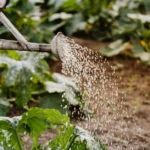
Container gardens dry out faster than in-ground beds. Check soil moisture daily, especially in hot weather. Using a soil moisture meter can help prevent over- or under-watering. Fertilize every 2–4 weeks with a balanced, water-soluble fertilizer for healthy growth.
5. Provide Support as Needed
Install stakes, cages, or trellises at planting time for crops that need support. This prevents root disturbance later on.
Tips for Success with Bucket Gardening
- Sunlight: Most vegetables need at least 6 hours of direct sun daily. Move your buckets as needed to maximize exposure.
- Watering: Consistent moisture is key. Mulch the surface with straw or shredded leaves to reduce evaporation.
- Drainage: Never let buckets sit in standing water. Good drainage prevents root rot and other issues.
- Rotation: Change the crops in your buckets each season to reduce pest and disease problems.
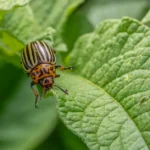
- Monitor for Pests: Check plants regularly for signs of insects or disease. Remove damaged leaves and treat problems early.
For more inspiration on growing food in tight spaces, check out these urban gardening ideas for beginners.
Common Mistakes to Avoid
- Overwatering: Buckets without proper drainage can quickly become waterlogged. Learn to recognize signs of overwatering plants and adjust your watering routine.
- Underwatering: On hot days, buckets may need water more than once. Watch for signs of underwatering plants such as wilting or dry soil.
- Using the wrong soil: Garden soil is often too dense for containers. Always use a mix designed for pots.
- Ignoring fertilizer: Nutrients leach out of buckets quickly. Regular feeding is essential for healthy, productive plants.
If you’re starting from scratch, you might find this step-by-step guide to starting a veggie garden helpful for additional background.
Harvesting and Maintenance
One of the joys of container gardening is how easy it is to monitor your plants. Harvest vegetables as soon as they’re ripe to encourage more production. Regularly remove yellowing leaves and spent plants to keep your buckets looking tidy and productive.
For crops like tomatoes and peppers, pruning can boost yields and keep plants healthy. Learn more about how to prune vegetable plants for a bigger harvest.
FAQ: Bucket Vegetable Gardening
How many plants can I grow in a 5-gallon bucket?
Most 5-gallon buckets are best for one large plant, such as a tomato or pepper. For smaller crops like lettuce or radishes, you can plant several per bucket. Always follow spacing guidelines for each vegetable to avoid overcrowding.
Do I need to drill holes in the bottom of my buckets?
Yes, drainage is essential. Drill multiple holes in the bottom of each bucket to prevent water from pooling and causing root rot. Elevate buckets slightly to ensure water can escape freely.
What is the best soil mix for growing vegetables in containers?
Use a high-quality potting mix formulated for containers. These mixes are light, retain moisture, and provide good drainage. You can also add compost or worm castings for extra nutrients.
Can I reuse the same soil each year?
It’s possible, but it’s best to refresh your potting mix each season. Remove old roots and add new compost or fertilizer to replenish nutrients. Rotating crops and cleaning buckets between seasons also helps prevent disease buildup.