Healthy plants rely on a consistent supply of water to thrive. When they don’t get enough, they show clear distress signals that every gardener should recognize. Understanding the signs of underwatering plants is essential for anyone who wants to maintain a flourishing garden or houseplant collection. In this guide, you’ll learn how to identify these warning signs, why they occur, and practical steps to help your greenery recover quickly.
Whether you’re growing vegetables, ornamentals, or indoor plants, knowing how to spot and address water stress can make the difference between a lush landscape and struggling foliage. Early intervention not only saves your plants but also helps prevent long-term damage. If you’re interested in broader plant health topics, you might also find value in learning how to fix nutrient deficiencies in plants for a well-rounded approach to plant care.
Common Symptoms of Water Stress in Plants
Plants that don’t receive enough moisture exhibit a range of visible and physiological changes. Recognizing these signs of underwatering plants early can help you take corrective action before the damage becomes severe. Here are the most frequent indicators:
- Wilting Leaves: One of the first and most obvious symptoms. Leaves lose their firmness and droop, especially during the hottest part of the day.
- Brittle or Crispy Foliage: As water becomes scarce, leaves may turn dry, crispy, or even curl at the edges.
- Leaf Drop: Plants may shed leaves prematurely to conserve water, often starting with the oldest foliage.
- Slow Growth: Lack of water limits nutrient uptake, leading to stunted or halted growth.
- Soil Pulling Away: Dry soil often shrinks and pulls away from the edges of pots or garden beds, making it harder for roots to access moisture.
- Pale or Dull Color: Leaves may lose their vibrant green hue and appear faded or yellowish.
It’s important to distinguish these symptoms from those caused by overwatering or nutrient deficiencies. For example, yellowing leaves can also indicate other issues, so consider the overall context and environment of your plants.
How Underwatering Differs from Other Plant Problems
Not all plant stress is caused by lack of water. Overwatering, pests, diseases, and nutrient imbalances can produce similar symptoms. Here’s how to tell if your plant’s issues are truly due to insufficient watering:
- Soil Check: Insert your finger about two inches into the soil. If it feels dry, underwatering is likely.
- Leaf Texture: Underwatered leaves are usually dry and crispy, while overwatered leaves tend to be soft and mushy.
- Root Inspection: Roots of underwatered plants are often thin and brittle, whereas overwatered roots may appear brown and rotten.
For a deeper dive into related plant health issues, see why leaves turn yellow on plants and how to address them.
Reviving Plants Suffering from Lack of Water
Once you’ve identified the signs of underwatering, it’s time to help your plants recover. Here’s a step-by-step approach to restoring their health:
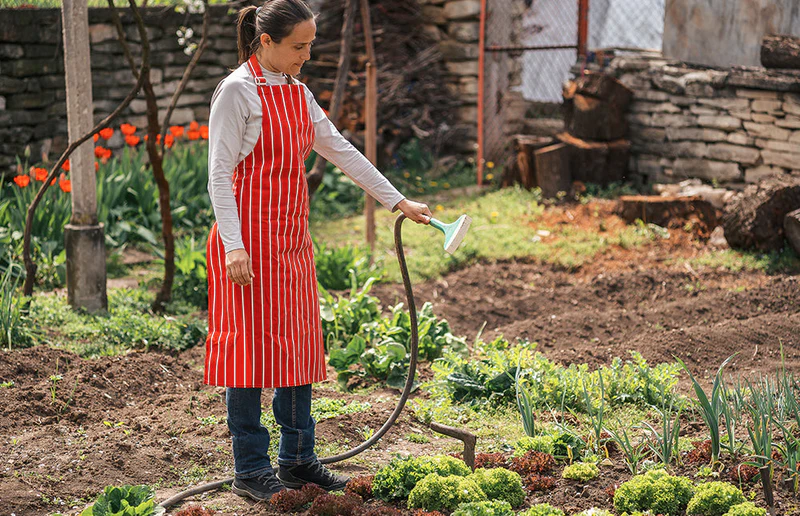
- Water Thoroughly: Give the plant a deep, slow watering to ensure moisture reaches the root zone. For potted plants, water until it drains from the bottom. In garden beds, use a gentle stream to avoid runoff.
- Soak Severely Dry Soil: If the soil has pulled away from the pot or is extremely dry, soak the entire container in a tub of water for 15–30 minutes. This helps rehydrate the root ball evenly.
- Mulch to Retain Moisture: Apply a layer of organic mulch around the base of your plants to reduce evaporation and keep soil moist longer.
- Prune Damaged Foliage: Remove any brown, crispy, or dead leaves to redirect energy to healthy growth.
- Monitor and Adjust: Check soil moisture regularly using your finger or a moisture meter. Adjust your watering schedule based on plant type, weather, and soil conditions.
For those starting new gardens, this step-by-step guide to starting a small vegetable garden offers helpful tips on soil preparation and watering routines.
Preventing Water Deficiency in the Future
Prevention is always better than cure. Here are some practical strategies to avoid water stress in your plants:
- Establish a Consistent Watering Routine: Water plants at the same time each day, preferably in the early morning or late afternoon to minimize evaporation.
- Use the Right Tools: Invest in a soil moisture meter to accurately gauge when your plants need water.
- Choose the Right Soil: Well-draining soil retains moisture without becoming waterlogged. Amend heavy clay or sandy soils as needed.
- Install Drip Irrigation: Automated systems deliver water directly to the roots and reduce waste. For a DIY approach, see this tutorial on how to install drip irrigation system.
- Mulch Regularly: Organic mulch not only conserves moisture but also improves soil structure and health.
Common Mistakes That Lead to Water Stress
Even experienced gardeners can unintentionally deprive their plants of water. Here are a few frequent missteps to watch out for:
- Inconsistent Watering: Skipping days or watering too lightly can cause roots to remain dry.
- Poor Soil Structure: Compacted or sandy soils drain too quickly, making it hard for roots to access moisture.
- Overcrowding: Too many plants in one area compete for limited water resources.
- Ignoring Weather Changes: Hot, windy, or dry conditions increase evaporation and plant water needs.
To avoid these pitfalls, review the common mistakes in vegetable gardening and adopt best practices for your specific climate and plant types.
FAQ: Addressing Water Deficiency in Plants
How often should I water my plants to prevent underwatering?
The frequency depends on plant type, soil, and climate. Most outdoor plants need deep watering once or twice a week, while indoor plants may require less frequent but thorough watering. Always check soil moisture before watering.
Can underwatered plants recover fully?
Many plants bounce back quickly if caught early and given proper care. Severely underwatered plants may lose some leaves, but with consistent watering and pruning, most can recover and resume healthy growth.
What tools help prevent water stress?
Using a soil moisture meter takes the guesswork out of watering. Drip irrigation systems and mulching are also effective for maintaining consistent soil moisture.
Is it possible to overcorrect and overwater after underwatering?
Yes, suddenly saturating the soil can lead to root rot. Gradually rehydrate your plants and monitor soil moisture to avoid swinging from one extreme to another.
Conclusion
Recognizing the signs of underwatering plants and responding promptly can save your garden from unnecessary stress. By observing your plants closely, establishing a reliable watering routine, and using the right tools, you’ll create an environment where your plants can thrive. For more insights on plant health, explore why vegetable plants are not growing and how to address common garden challenges.