Starting a vegetable garden is rewarding, but even experienced gardeners can fall into habits that hinder their success. Avoiding common mistakes in vegetable gardening can make the difference between a thriving harvest and disappointing results. By understanding the most frequent pitfalls, you can set yourself up for a productive, healthy garden season after season.
Whether you’re new to growing your own food or looking to improve your yields, this guide will help you recognize and sidestep the errors that often trip up gardeners. For additional tips on watering, consider reading about how to water plants efficiently to save both time and resources.
Choosing the Wrong Location
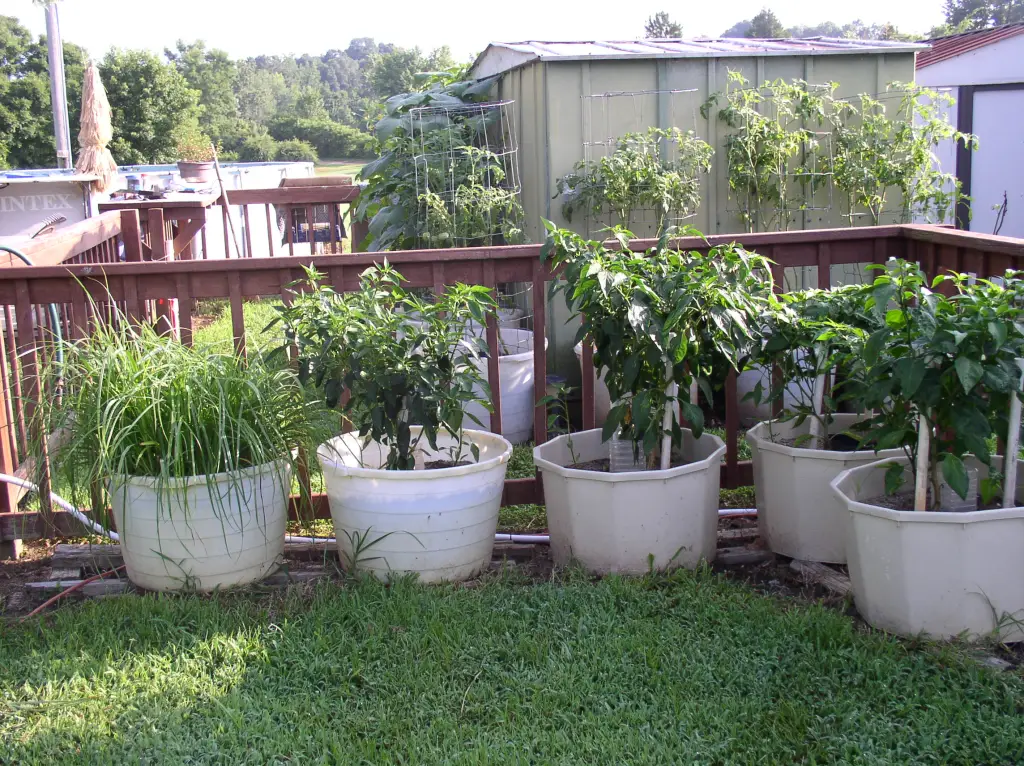
One of the most frequent errors is planting vegetables in a spot that doesn’t receive enough sunlight. Most vegetables need at least six hours of direct sun daily. Shady areas or spots blocked by trees and buildings will limit growth and reduce yields. Before planting, observe your yard throughout the day to find the sunniest location. If space is limited, raised beds or containers can help you make the most of available light.
Poor Soil Preparation
Healthy soil is the foundation of a successful garden. Skipping soil testing or failing to amend poor soil can lead to stunted plants and low productivity. Test your soil for pH and nutrient levels, then add compost or organic matter as needed. Using the right soil amendments ensures your plants have access to essential nutrients. For more on improving soil health, explore the benefits of mulching garden beds to retain moisture and suppress weeds.
Overcrowding Plants
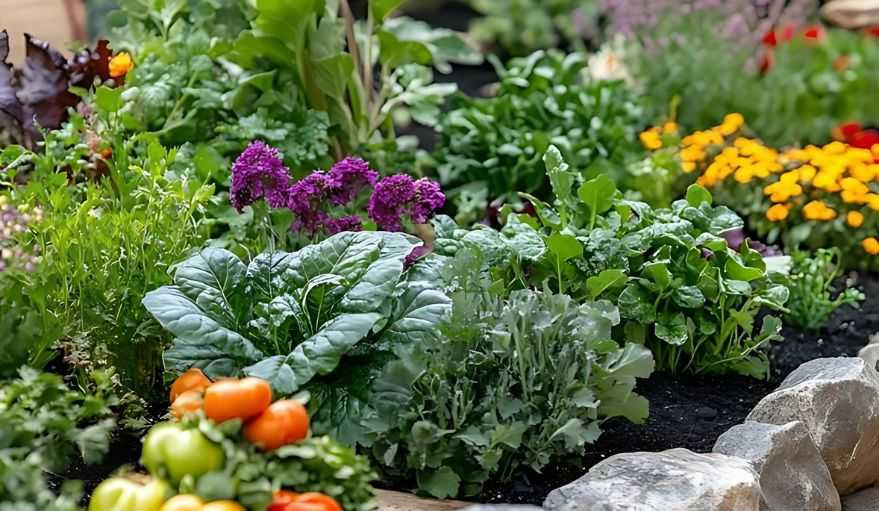
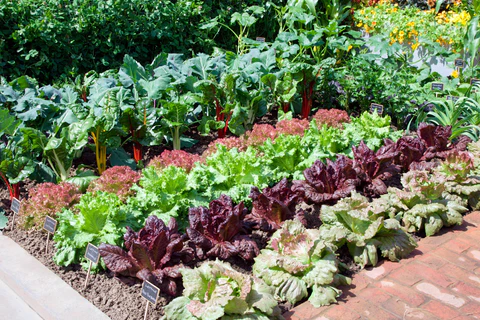
It’s tempting to plant as much as possible in a small space, but overcrowding leads to poor air circulation and increased risk of disease. Each vegetable has specific spacing requirements. Follow seed packet or plant tag instructions for proper distances. This allows roots to develop fully and helps prevent fungal problems.
Watering Errors in the Vegetable Patch
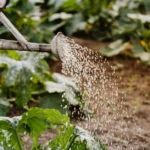
Both overwatering and underwatering are frequent issues. Too much water can suffocate roots and promote rot, while too little causes stress and poor growth. Check soil moisture regularly, especially during hot spells. Using a soil moisture meter can help you determine when it’s time to water. Early morning is the best time to irrigate, reducing evaporation and fungal risks. For those interested in efficient watering systems, see our guide on drip irrigation for home gardens.
Ignoring Mulching Practices
Neglecting to mulch is a missed opportunity for weed control, moisture retention, and temperature regulation. A layer of organic mulch, such as straw or shredded leaves, helps keep soil cool and reduces the need for frequent watering. Mulching also prevents soil compaction and erosion. Learn more about how to use mulch in a vegetable garden for optimal results.
Poor Crop Rotation and Plant Selection
Planting the same crops in the same spot year after year depletes soil nutrients and encourages pests and diseases. Rotate crops each season to maintain soil health and break pest cycles. Additionally, select varieties suited to your climate and growing conditions. Researching your local planting calendar and choosing disease-resistant cultivars can improve your garden’s resilience.
Planting at the Wrong Time
Timing is crucial for vegetable gardening success. Planting too early can expose seedlings to frost, while planting too late may not allow enough time for crops to mature. Consult your region’s frost dates and follow recommended planting times for each vegetable. For beginners, the vegetable gardening for beginners guide from The Old Farmer’s Almanac offers helpful regional advice.
Neglecting Pest and Disease Prevention
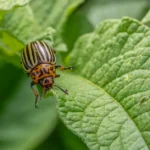
Waiting until problems appear often means it’s too late to save your crops. Regularly inspect plants for signs of pests or disease. Remove affected leaves, use row covers, and encourage beneficial insects like ladybugs. Practicing good garden hygiene, such as cleaning tools and removing debris, helps prevent outbreaks.
Improper Fertilization
Applying too much or too little fertilizer can harm your plants. Over-fertilizing leads to excessive leaf growth and weakens fruit production, while under-fertilizing results in poor yields. Use organic compost or a balanced fertilizer, and always follow label instructions. Testing your soil annually helps you adjust your fertilization plan as needed.
Forgetting to Weed Regularly
Weeds compete with vegetables for nutrients, water, and sunlight. Allowing them to take over can quickly reduce your harvest. Make weeding a regular part of your gardening routine, especially during the early stages of plant growth. Mulching, as mentioned earlier, is an effective way to suppress weed growth and maintain a tidy garden bed. For more on this, check out the best mulch for vegetable plants and how it can benefit your garden.
Neglecting Consistent Maintenance
Vegetable gardens require ongoing care. Skipping regular checks for watering, pests, and plant health can lead to problems that are hard to reverse. Set a schedule for garden tasks, including pruning, staking, and harvesting. Consistent attention ensures that small issues don’t become major setbacks.
Frequently Asked Questions
What are the most important things to avoid when starting a vegetable garden?
Some of the biggest pitfalls include choosing a shady or poorly drained location, neglecting soil preparation, overcrowding plants, and inconsistent watering. Paying attention to these basics helps set the stage for a successful garden.
How can I prevent diseases in my vegetable garden?
Practice crop rotation, use disease-resistant varieties, and maintain good garden hygiene. Regularly inspect plants, remove diseased material, and avoid overhead watering to reduce the risk of fungal infections.
Is mulching really necessary for vegetable gardens?
Yes, mulching offers several benefits such as retaining soil moisture, suppressing weeds, and regulating soil temperature. Organic mulches also improve soil structure as they break down over time.
Conclusion
By being aware of these common mistakes in vegetable gardening, you can avoid frustration and enjoy a more abundant harvest. Remember to choose the right location, prepare your soil, space your plants properly, and stay on top of maintenance. With a bit of planning and regular care, your vegetable garden will reward you with fresh, healthy produce throughout the season.