As more people seek self-sufficiency, privacy, and a simpler lifestyle, interest in off-grid homesteading continues to grow. Choosing the right location is a crucial first step for anyone planning to live independently from public utilities. Factors like climate, water access, land prices, and state regulations can make a significant difference in your success and day-to-day comfort. In this guide, we’ll explore the top regions in the United States that offer the best opportunities for sustainable, off-grid living in the coming years.
Whether you’re just starting your journey or looking to relocate, understanding the unique advantages and challenges of each area will help you make an informed decision. For a step-by-step overview of getting started, check out the off-grid homestead startup timeline for beginners.
Key Factors for Choosing an Off-Grid Homestead Location
Not all states are equally suited for off-grid living. Before exploring the top contenders, it’s important to understand what makes a location ideal for this lifestyle. Here are the most important criteria to consider:
- Climate: Favorable weather can reduce heating and cooling needs, extend the growing season, and minimize weather-related risks.
- Water Availability: Reliable access to fresh water is essential for drinking, irrigation, and livestock.
- Land Affordability: Lower land prices make it easier to acquire enough acreage for privacy, gardening, and livestock.
- Regulations: Some states have fewer restrictions on building codes, water rights, and alternative energy systems, making it easier to live off-grid legally.
- Natural Resources: Access to timber, wild game, and fertile soil can support a sustainable homestead.
- Community: A supportive local network of like-minded individuals can be invaluable for knowledge sharing and mutual aid.
Top States for Off-Grid Living in 2026
Based on the criteria above, several states stand out as excellent choices for those seeking to establish a self-reliant lifestyle. Below, we highlight the most promising options and what makes each one unique.
1. Idaho: A Haven for Self-Reliance
Idaho is consistently ranked among the best states for off-grid homesteading thanks to its abundant natural resources, affordable land, and relatively relaxed regulations. The state offers a range of climates, from mild valleys to rugged mountains, allowing homesteaders to choose the environment that best suits their needs.
- Low population density means more privacy and space.
- Plentiful water sources, including rivers and aquifers.
- Supportive community of fellow off-gridders and homesteaders.
- Lenient building codes in many rural counties.
2. Missouri: Affordable Land and Central Location
Missouri is a favorite among off-grid enthusiasts for its low land prices, moderate climate, and flexible zoning laws. The state’s central location makes it accessible from most parts of the country, and its diverse landscape offers both forested hills and fertile plains.
- Reasonable property taxes and cost of living.
- Long growing season for a variety of crops.
- Minimal restrictions on rainwater collection and alternative energy.
- Strong tradition of homesteading and self-sufficiency.
3. Tennessee: Mild Climate and Supportive Laws
Tennessee stands out for its mild winters, ample rainfall, and supportive legal environment for alternative living. Many rural counties have relaxed building codes, making it easier to construct tiny homes, cabins, or earth-sheltered dwellings.
- Fertile soil and abundant water sources.
- Active homesteading communities and local markets.
- Access to forests for timber and wild game.
- Affordable rural land, especially in eastern and middle Tennessee.
4. Arizona: Off-Grid Potential in the Desert
While Arizona’s arid climate presents challenges, it also offers unique opportunities for those prepared for desert living. With abundant sunshine, solar power is a practical and popular choice. Some counties have minimal zoning restrictions, allowing for creative off-grid setups.
- Excellent solar energy potential year-round.
- Large tracts of inexpensive land in rural areas.
- Low humidity and mild winters in many regions.
- Freedom to experiment with alternative building methods.
For tips on thriving in dry climates, see our guide to off-grid homesteading in deserts.
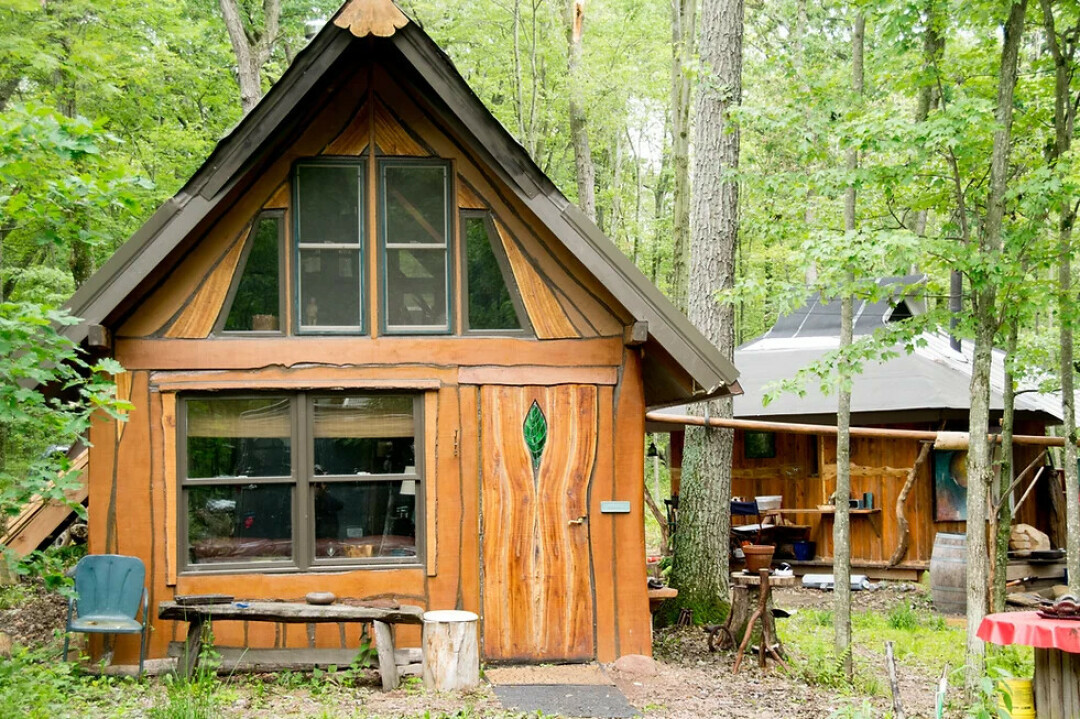
5. Maine: Privacy and Abundant Resources
Maine is an excellent choice for those who value privacy, forest resources, and a slower pace of life. The state’s northern location means colder winters, but also offers plentiful water, wild game, and affordable land in rural areas.
- Extensive forests for firewood and building materials.
- Low population density and quiet communities.
- Ample rainfall and freshwater lakes.
- Supportive environment for hunting, fishing, and foraging.
Other Noteworthy States for Off-Grid Homesteading
While the states above are top picks, several others also offer strong potential for off-grid lifestyles:
- Montana: Vast open spaces, lenient regulations, and a strong tradition of independence.
- Oregon: Diverse climates, progressive attitudes, and access to both forests and coastline.
- Alaska: Ultimate privacy and wilderness, but requires preparation for extreme conditions.
- Kentucky: Fertile land, moderate climate, and affordable property in rural areas.
When evaluating a potential location, always research local laws, water rights, and community attitudes toward alternative living. For more in-depth advice, the Mother Earth News guide to building an off-grid homestead offers practical tips and real-world examples.
Tips for Success When Going Off-Grid
No matter which state you choose, preparation is key to a successful transition. Here are some practical tips:
- Start small and expand your systems as you gain experience.
- Invest in reliable water collection and purification methods.
- Prioritize energy efficiency and renewable power sources.
- Connect with local homesteading groups for support and advice.
- Plan for emergencies and develop a disaster preparedness strategy. Our disaster preparedness off-grid guide can help you get started.
- Consider remote work options to support your lifestyle. Learn more about remote work off-grid and off-grid internet solutions.
Frequently Asked Questions
What state has the most lenient off-grid regulations?
States like Idaho, Missouri, and Montana are known for relaxed building codes and fewer restrictions on alternative energy and water systems, especially in rural counties. Always check local ordinances before purchasing land.
How much land do I need for off-grid homesteading?
The ideal acreage depends on your goals—most off-grid homesteaders find that 5 to 20 acres is sufficient for a family, allowing space for gardening, livestock, and privacy. Larger parcels may be needed for timber or extensive farming.
Can I legally collect rainwater in all states?
Rainwater collection laws vary by state and even by county. Many of the top states for off-grid living, such as Missouri and Tennessee, have minimal restrictions. However, always verify local regulations before installing a system.
What are the biggest challenges of off-grid living?
Common challenges include securing reliable water and energy sources, adapting to rural isolation, and navigating local regulations. Preparation and community support can help overcome these hurdles.