Embracing a modern homesteading lifestyle is about more than growing your own food or raising chickens. It’s a commitment to self-reliance, sustainability, and intentional living. For anyone looking to build a resilient homestead, modern homesteading long term planning is essential. It means thinking beyond the next season, considering how your land, resources, and skills can support you and your family for years to come.
Whether you’re just starting out or refining your current setup, a thoughtful approach helps you avoid costly mistakes and ensures your efforts are sustainable. This article explores practical strategies for setting goals, managing resources, and adapting to changing needs, so your homestead can thrive well into the future.
As you consider your own journey, you may also want to explore topics like fencing, herbal gardens, and seasonal routines. For example, the modern homesteading fencing guide offers practical advice for protecting your land and livestock, which is a key part of any long-term homestead plan.
Setting Your Vision and Goals for the Future
Every successful homestead starts with a clear vision. Take time to define what self-sufficiency means to you. Are you aiming for complete food independence, or do you want to supplement your grocery bill? Is your focus on sustainable energy, animal husbandry, or a mix of several elements?
- Write down your long-term objectives—food production, energy needs, livestock, and lifestyle goals.
- Break these into short-term, medium-term, and long-term milestones. For example, “install solar panels within five years” or “expand the orchard in three years.”
- Review your goals annually and adjust as your needs, interests, or resources change.
This intentional approach to modern homesteading long term planning helps you stay focused and make decisions that align with your values.
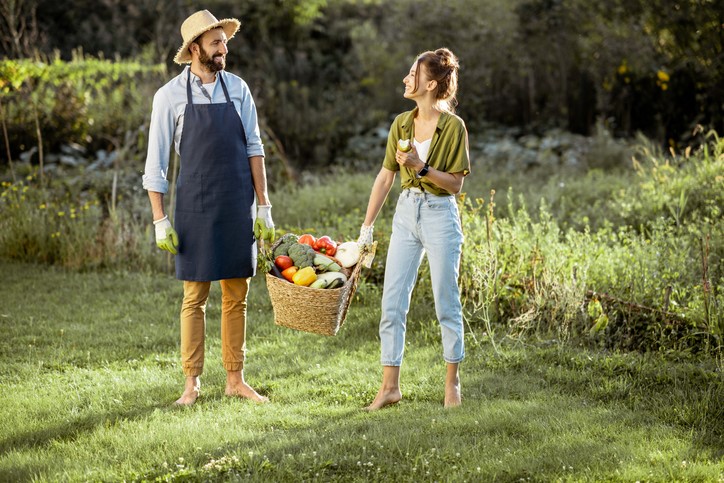
Land Assessment and Resource Management
Understanding your property’s strengths and limitations is crucial for sustainable development. Start by mapping your land, noting sun exposure, water sources, soil types, and existing structures. This assessment will guide your decisions about gardens, animal shelters, and infrastructure.
- Soil health: Test your soil and amend it as needed to support crops and pasture.
- Water resources: Plan for rainwater harvesting, irrigation, and drought resilience.
- Energy planning: Consider renewable options like solar or wind, and evaluate your energy consumption patterns.
- Waste management: Composting, recycling, and responsible waste disposal are all part of a sustainable homestead.
By managing these resources wisely, you’ll build a foundation for long-term success and reduce your reliance on outside systems.
Designing Resilient Gardens and Food Systems
Food security is a cornerstone of homesteading. A well-designed garden, orchard, and livestock plan can provide year-round nutrition and reduce trips to the store. When planning your food systems, think about crop rotation, perennial plantings, and diversity to minimize risk and maximize yields.
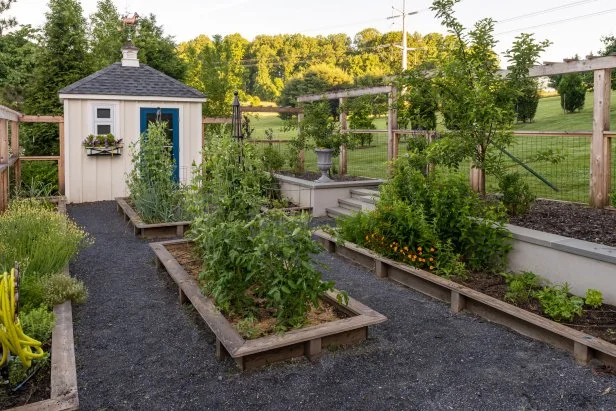
- Start with raised beds or permaculture-inspired layouts to make the most of your space and soil.
- Include a mix of annuals and perennials for continuous harvests.
- Plan for food preservation—canning, dehydrating, freezing—to extend your harvest through the off-season.
- Consider livestock that fits your land and lifestyle, such as chickens for eggs, goats for milk, or bees for honey.
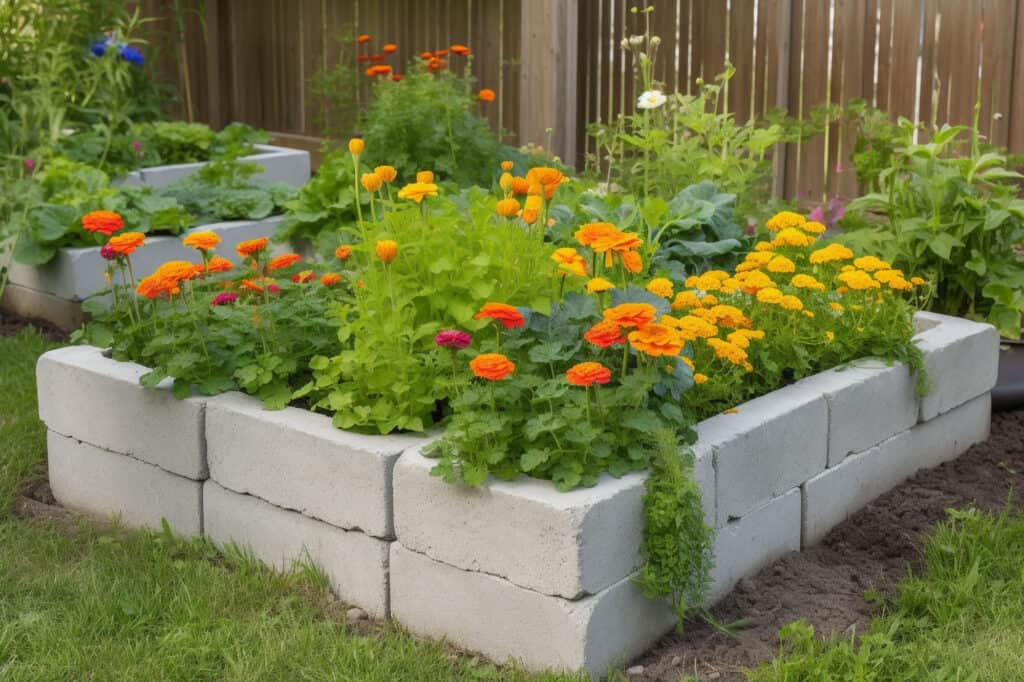
For more inspiration on garden layouts and plant choices, the modern homesteading herbal garden ideas page offers creative ways to incorporate medicinal and culinary herbs into your landscape.
Building Infrastructure for the Long Haul
Infrastructure investments—such as fencing, outbuildings, and water systems—should be made with durability and adaptability in mind. Choose materials that withstand your climate, and design layouts that allow for future expansion.
- Install fencing that protects your gardens and animals from local wildlife. Refer to the modern homesteading fencing guide for detailed options.
- Plan outbuildings (barns, sheds, greenhouses) for current needs, but leave room for additional structures as your homestead grows.
- Ensure water access is reliable and can be extended to new areas as needed.
- Maintain tools and equipment regularly to extend their lifespan. The modern homesteading tool maintenance tips article provides practical advice on this topic.
Investing in quality infrastructure up front saves time, money, and frustration in the years ahead.
Adapting to Seasons and Changing Needs
Flexibility is a key part of any long-term homestead plan. Weather, family dynamics, and personal interests can all shift over time. Develop systems that allow you to adapt—such as rotating crops, adjusting animal numbers, or changing your preservation methods.
Following a seasonal approach, as outlined in the modern homesteading seasonal living guide, helps you anticipate challenges and make the most of each time of year.
Learning, Community, and Continuous Improvement
No homestead is ever truly finished. Ongoing learning and community connections are vital for growth and resilience. Attend local workshops, join online forums, and connect with neighbors to share resources and knowledge.
For a deeper understanding of what it means to live this lifestyle, the definition of a modern homestead provides valuable perspective and inspiration.
- Keep a homestead journal to track successes, failures, and lessons learned.
- Set aside time each year to review your progress and update your plans.
- Share your experiences with others, and don’t hesitate to ask for advice when challenges arise.
Frequently Asked Questions
How do I start planning for a sustainable homestead?
Begin by setting clear, realistic goals for your property and lifestyle. Assess your land, resources, and budget. Start small, prioritize essential infrastructure, and gradually expand your gardens, livestock, and systems as your experience grows.
What are the most important elements of long-term homestead planning?
Key elements include soil and water management, resilient food systems, durable infrastructure, and adaptability to changing needs. Regularly reviewing your goals and learning from others in the homesteading community also supports long-term success.
How can I make my homestead more adaptable to future changes?
Design your systems with flexibility in mind. Use modular layouts for gardens and buildings, choose multipurpose tools and structures, and be open to adjusting your plans as your family, climate, or interests evolve.