Embracing a seasonal approach to homesteading means working in harmony with nature’s cycles to create a more resilient, sustainable, and rewarding lifestyle. Whether you’re new to the concept or seeking to deepen your understanding, this modern homesteading seasonal living guide offers practical insights for planning, growing, and thriving throughout the year. By aligning your routines with the seasons, you can maximize productivity, reduce waste, and enjoy a deeper connection to your land and food.
For those interested in expanding their skills, exploring resources like the modern homesteading vertical gardening tips can help you make the most of limited space and seasonal changes.
Understanding Seasonal Rhythms in Homesteading
At the heart of sustainable living is the ability to adapt to the changing seasons. Each period of the year brings unique opportunities and challenges, from planting and harvesting to animal care and preservation. By tuning into these natural cycles, homesteaders can plan ahead, reduce stress, and ensure a steady supply of food and resources.
Seasonal living isn’t just about gardening. It also involves managing livestock, maintaining infrastructure, and preparing for weather extremes. Adopting a year-round mindset helps prevent burnout and supports a healthier, more balanced homestead.
Spring: Planning, Planting, and Renewal
Spring marks a time of renewal and growth. As the soil warms and daylight increases, it’s the perfect season to start seeds, prepare garden beds, and welcome new life on the homestead. Key spring tasks include:
- Seed starting indoors or in greenhouses for early crops
- Soil testing and amendment with compost or organic matter
- Pruning fruit trees and berry bushes
- Repairing fences, animal shelters, and tools after winter
- Bringing in chicks or young livestock
For those interested in maximizing early yields, using protected spaces is essential. The modern homesteading greenhouse tips article offers strategies for extending your growing season and protecting tender plants from late frosts.
Summer: Growth, Abundance, and Maintenance
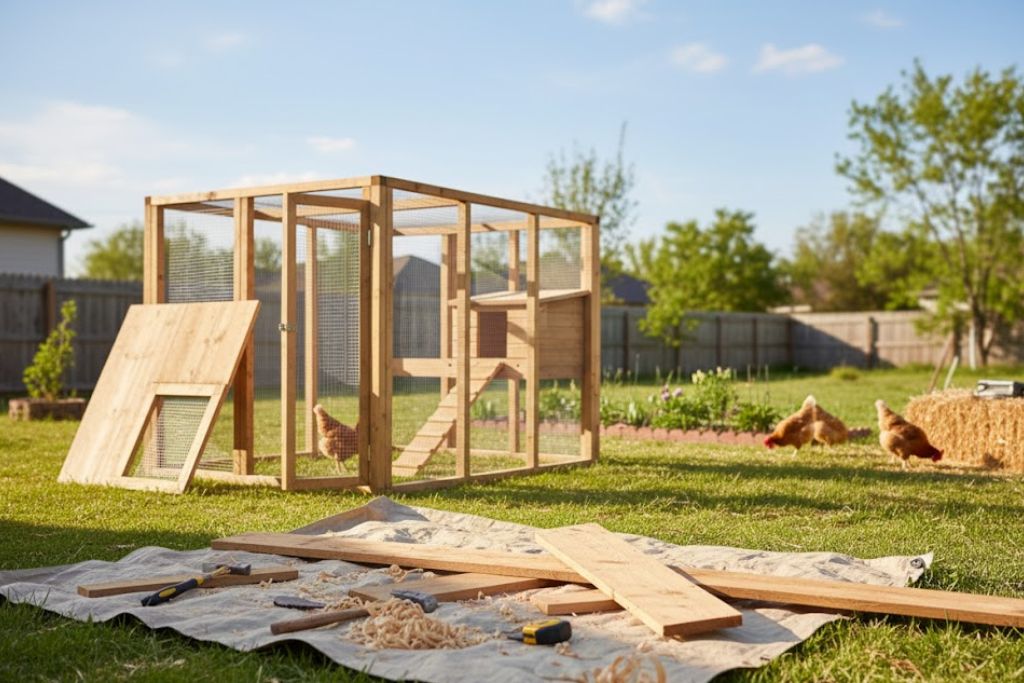
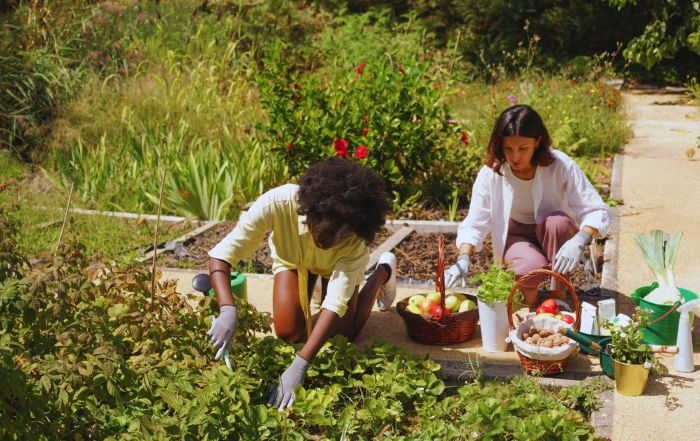
Summer is a period of rapid growth and abundance. Gardens reach their peak, livestock require extra care, and the workload can be intense. Staying organized and prioritizing tasks helps keep things manageable:
- Regular watering and mulching to conserve moisture
- Weeding and pest management using organic methods
- Harvesting early crops and succession planting
- Preserving surplus produce through canning, freezing, or dehydrating
- Monitoring animal health, providing shade and fresh water
Summer is also a time to plan for the future. Consider planting fall crops and preparing storage areas. For more ideas on storing your harvest, the modern homesteading food storage guide covers essential techniques for keeping food fresh year-round.
Autumn: Harvest, Preservation, and Preparation
As days grow shorter and temperatures cool, autumn becomes a season of harvest and preservation. This is when the rewards of spring and summer labor are realized, and preparations for winter begin:
- Gathering late-season fruits, vegetables, and nuts
- Processing and storing food in root cellars or pantries
- Saving seeds for next year’s planting
- Butchering livestock or poultry for winter meat
- Cleaning up gardens and adding organic matter to beds
Root cellars are a traditional and effective way to store produce through the colder months. Learn more about creative storage solutions in the modern homesteading root cellar ideas resource.
Winter: Rest, Reflection, and Planning Ahead
Winter offers a much-needed pause in the homesteading year. While daily chores continue, the pace slows, allowing time for rest, reflection, and planning. Important winter activities include:
- Reviewing successes and challenges from the past year
- Researching new crops, livestock, or techniques
- Ordering seeds and supplies for spring
- Maintaining tools and equipment
- Providing extra bedding and shelter for animals
This is also a good time to connect with other homesteaders, attend workshops, or read up on best practices. For a broader perspective on the lifestyle, check out this comprehensive overview of homesteading principles.
Integrating Year-Round Strategies for Success
Successful homesteaders look beyond individual seasons and develop systems that support year-round productivity. This might include:
- Rotating crops to maintain soil health
- Using cover crops and mulches for erosion control
- Implementing water-saving techniques
- Building infrastructure that withstands seasonal extremes
- Keeping detailed records to track progress and plan improvements
If you’re considering expanding your operation, establishing a backyard orchard can provide fruit for many seasons. The modern homesteading backyard orchard guide offers step-by-step advice for getting started.
Frequently Asked Questions
What are the main benefits of following a seasonal approach in homesteading?
Adapting your routines to the seasons helps you work more efficiently, reduce waste, and improve yields. It also supports soil health, animal welfare, and personal well-being by preventing burnout and aligning tasks with natural cycles.
How can I start living seasonally if I’m new to homesteading?
Begin by observing the changes in your local climate and noting when certain plants grow or animals behave differently. Start small by planning a garden or keeping a few chickens, and gradually add more seasonal activities as you gain experience.
What are some common mistakes to avoid when planning for the seasons?
Overcommitting during peak times, neglecting winter planning, and failing to preserve surplus harvests are frequent pitfalls. It’s important to pace yourself, keep good records, and always plan ahead for the next season.