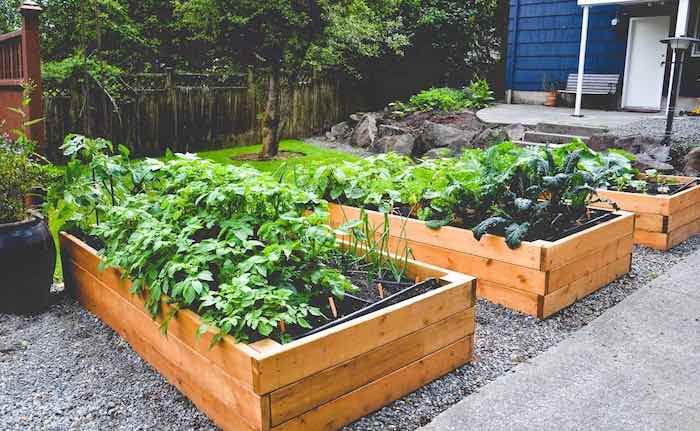
Mulching is a simple yet powerful way to boost the health and productivity of your vegetable garden. Choosing the best mulch for vegetable plants can help conserve soil moisture, suppress weeds, regulate soil temperature, and add organic matter as it breaks down. However, with so many mulch options available, it can be challenging to know which type is right for your garden and specific crops.
This article explores the most popular mulching materials for vegetable beds, weighing their advantages and drawbacks. Whether you’re growing in raised beds, rows, or containers, understanding the pros and cons of each mulch type will help you make informed decisions for a thriving harvest. If you’re also interested in optimizing your soil, you may find value in learning how to adjust soil pH for vegetables for even better results.
Why Mulch Matters in Vegetable Gardens
Mulching offers several benefits for vegetable growers. A good layer of mulch helps retain soil moisture, reducing the need for frequent watering. It also acts as a barrier against weeds, making maintenance easier throughout the season. Additionally, mulch can moderate soil temperature, keeping roots cooler in summer and warmer in early spring or late fall. As organic mulches decompose, they enrich the soil with nutrients and improve its structure.
However, not all mulches are created equal. Some may harbor pests, tie up soil nitrogen, or create overly damp conditions if not managed correctly. That’s why it’s important to match the mulch type to your specific crops, climate, and gardening style.
Organic Mulches: Natural Choices for Vegetable Beds
Organic mulches are derived from natural materials that break down over time, adding organic matter to the soil. Here are some of the most common options:
Straw and Hay
Straw is a classic choice for vegetable beds. It’s lightweight, easy to spread, and does an excellent job of suppressing weeds and retaining moisture. Straw breaks down moderately fast, enriching the soil as it decomposes. However, it can sometimes contain weed seeds if not sourced carefully. Avoid using hay, as it often introduces more weed seeds and may compact more easily.
- Pros: Good weed suppression, improves soil, easy to apply and remove.
- Cons: May contain weed seeds, can blow away in windy areas, needs replenishing each season.
Grass Clippings
Fresh or dried grass clippings are readily available for many home gardeners. They provide a quick nitrogen boost as they break down, making them ideal for heavy feeders like tomatoes and corn. Apply only thin layers of dried clippings to avoid matting and unpleasant odors. Avoid using clippings from lawns treated with herbicides or pesticides.
- Pros: Free, high in nitrogen, breaks down quickly.
- Cons: Can mat and smell if applied thickly, may introduce weed seeds, avoid chemically treated grass.
Compost
Well-aged compost serves as both a mulch and a soil amendment. It’s rich in nutrients and beneficial microbes, making it a great top dressing for vegetable beds. Compost is best applied in a thin layer, as it can dry out quickly and may not suppress weeds as effectively as other mulches.
- Pros: Adds nutrients, improves soil structure, supports healthy plants.
- Cons: Needs replenishing, less effective at weed suppression, may be costly if purchased.
Wood Chips and Bark
Wood chips and shredded bark are long-lasting options that provide excellent weed control and moisture retention. However, they break down slowly and can tie up soil nitrogen as they decompose, especially if mixed into the soil. Use these mulches on pathways or around perennial vegetables, and keep them off seed beds or young seedlings.
- Pros: Long-lasting, effective weed barrier, attractive appearance.
- Cons: Can deplete nitrogen, slow to break down, not ideal for direct-seeded crops.
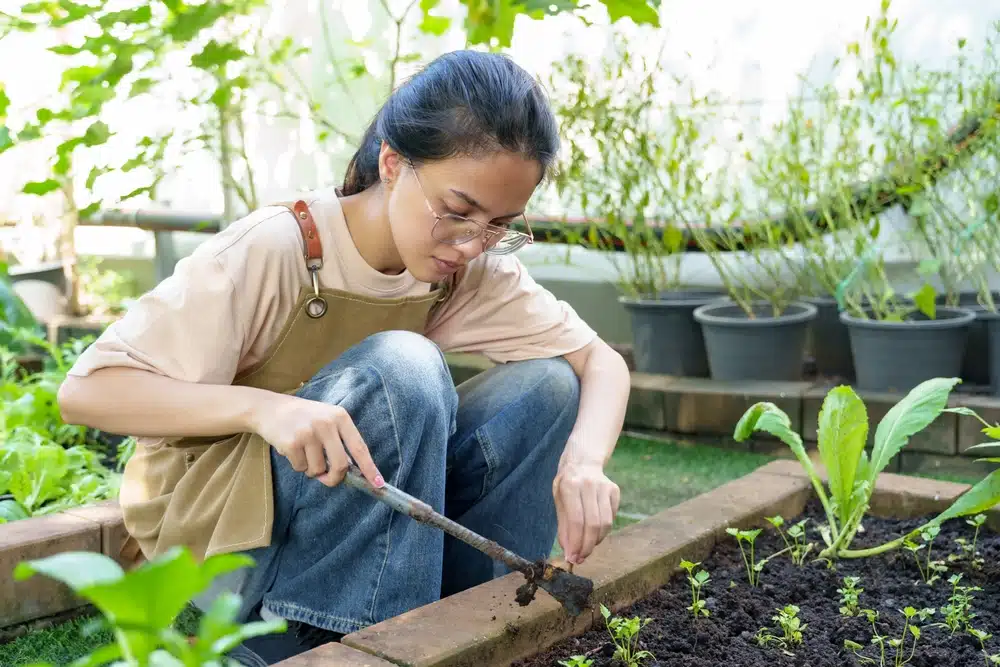
Inorganic Mulches: Durable and Low Maintenance
Inorganic mulches don’t break down and are often used for their durability and weed-blocking properties. While they don’t improve soil fertility, they can be useful in certain situations.
Plastic Sheeting
Black or colored plastic mulch is commonly used in commercial vegetable production. It warms the soil, conserves moisture, and provides a strong weed barrier. However, plastic does not add organic matter and can lead to water runoff if not installed properly. At the end of the season, it must be removed and disposed of, which can be inconvenient.
- Pros: Excellent weed suppression, warms soil, reduces evaporation.
- Cons: No soil improvement, disposal issues, can overheat soil in hot climates.
Landscape Fabric
Landscape fabric is a woven material that allows water and air to pass through while blocking weeds. It’s more durable than plastic and can be reused for several seasons. However, it’s best suited for perennial beds or pathways rather than annual vegetable crops, as it can make planting and crop rotation more difficult.
- Pros: Long-lasting, reusable, allows water penetration.
- Cons: No nutrient value, can restrict plant growth if not installed properly, higher upfront cost.
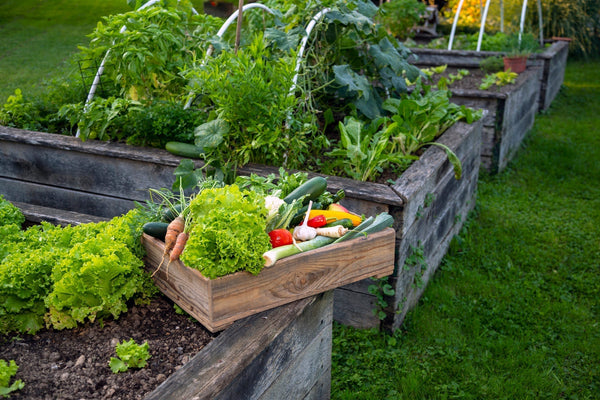
How to Select the Right Mulch for Your Vegetables
When deciding on the most suitable mulch, consider your climate, the types of vegetables you grow, and your maintenance preferences. For most home gardeners, organic mulches like straw, grass clippings, or compost are ideal for annual crops. They improve soil health and are easy to replenish each season. Inorganic options like plastic or landscape fabric may be useful for specific crops that benefit from warmer soil or for gardeners seeking low-maintenance weed control.
It’s also important to monitor soil moisture and fertility when using mulch. Tools like a soil moisture meter can help ensure your plants are getting the right amount of water, especially under thick mulch layers. For more tips on improving your garden’s productivity, you might want to read about how to improve soil fertility naturally.
Tips for Applying Mulch Effectively
- Apply mulch after the soil has warmed up in spring to avoid delaying plant growth.
- Keep mulch a few inches away from plant stems to prevent rot and pest problems.
- Use a 2–3 inch layer for most organic mulches; thinner for grass clippings, thicker for wood chips on pathways.
- Replenish mulch as it decomposes or becomes thin, especially after heavy rain or wind.
- Inspect regularly for signs of pests, mold, or excessive moisture under the mulch.
For beginners, a comprehensive beginner’s guide to creating a vegetable garden can provide additional insights on soil preparation, planting, and maintenance.
Frequently Asked Questions
What is the best mulch for vegetable plants in raised beds?
For raised beds, straw, shredded leaves, or compost are excellent choices. They are lightweight, easy to spread, and break down to improve soil over time. Avoid heavy mulches that may compact or restrict drainage in smaller beds.
Can I use wood chips directly on vegetable beds?
Wood chips are best used on pathways or around perennial vegetables. If used on annual beds, keep them on the surface and avoid mixing into the soil to prevent nitrogen depletion. Monitor plants for signs of nutrient deficiency and supplement as needed.
How often should I replace mulch in my vegetable garden?
Organic mulches typically need replenishing once or twice per season, depending on how quickly they break down and weather conditions. Inorganic mulches like plastic or fabric can last several years but should be checked for wear and replaced as needed.
Choosing the right mulch can make a significant difference in your vegetable garden’s health and productivity. By understanding the pros and cons of each option, you can tailor your approach to suit your crops, climate, and gardening goals.