Growing healthy vegetables starts with understanding your soil. One of the most important factors is soil pH, which measures how acidic or alkaline your garden bed is. The right pH range helps plants absorb nutrients efficiently, leading to better growth and higher yields. If your soil is too acidic or too alkaline, your vegetables may struggle, even if you’re diligent about watering and fertilizing.
This guide explains how to adjust soil pH for vegetables using simple amendments and practical steps. You’ll learn how to test your soil, what pH different vegetables prefer, and which materials can help you raise or lower pH safely. Whether you’re starting a new garden or troubleshooting poor plant performance, these tips will help you create the best environment for your crops.

Before making any changes, it’s important to test your soil’s current pH. For a step-by-step approach to garden planning, see how to space vegetable plants correctly for better growth and efficient use of your garden beds.
Understanding Soil pH and Its Impact on Vegetables
Soil pH is measured on a scale from 0 to 14. A value of 7 is considered neutral. Values below 7 indicate acidic soil, while values above 7 are alkaline. Most vegetables thrive in slightly acidic to neutral soil, typically between 6.0 and 7.0. This range allows for optimal nutrient uptake and healthy root development.
Some crops, like potatoes, prefer more acidic conditions (around 5.5 to 6.5), while others, such as cabbage and broccoli, do better in soils closer to neutral. If your soil’s pH falls outside the preferred range, you may notice stunted growth, yellowing leaves, or poor yields, even if you’re using quality compost or fertilizer.
Testing Your Soil’s pH Before Making Adjustments
Before applying any amendments, always test your soil. There are several ways to do this:
- Soil test kits: Available at garden centers, these kits provide a quick reading using a color chart.
- Digital pH meters: Offer more precise measurements and can be reused for multiple tests.
- Professional lab testing: For the most accurate results, send a soil sample to your local extension office or a certified lab.
Test several spots in your garden, as pH can vary across different areas. Mix the samples together for an average reading, or treat each area separately if you grow a variety of crops.
Amendments to Raise Soil pH (Reduce Acidity)
If your soil is too acidic for your chosen vegetables, you’ll need to increase the pH. The most common and effective way to do this is by adding lime. Here are some options:
- Ground limestone (agricultural lime): The most widely used amendment, available as calcitic or dolomitic lime. Dolomitic lime also adds magnesium, which is beneficial for some crops.
- Wood ash: A natural byproduct from fireplaces or wood stoves, wood ash can gently raise pH and add potassium. Use sparingly, as it acts quickly and can overcorrect if applied in excess.
Apply lime or wood ash in the fall or early spring, mixing it thoroughly into the top 6 inches of soil. Always follow package instructions and retest your soil after a few months to monitor changes.
Amendments to Lower Soil pH (Reduce Alkalinity)
Some soils, especially in arid regions, are too alkaline for most vegetables. To lower the pH, consider these amendments:
- Elemental sulfur: The most common amendment for reducing alkalinity. Soil bacteria convert sulfur into sulfuric acid, gradually lowering pH over several weeks or months.
- Sphagnum peat moss: Incorporating peat moss into the soil can help acidify it, while also improving texture and water retention.
- Acidifying fertilizers: Products containing ammonium sulfate or urea can also help lower pH over time.
Apply these materials according to label directions, and avoid over-application, which can harm beneficial soil organisms and plant roots. Retest your soil after a season to track progress.
Best Practices for Amending Soil pH in Vegetable Gardens
Adjusting pH is not a one-time fix. Here are some best practices to ensure success:
- Amend gradually: Make small changes over time to avoid shocking your plants or disrupting soil biology.
- Mix thoroughly: Work amendments into the soil evenly for consistent results.
- Monitor regularly: Retest your soil every season, especially if you notice changes in plant health or after adding amendments.
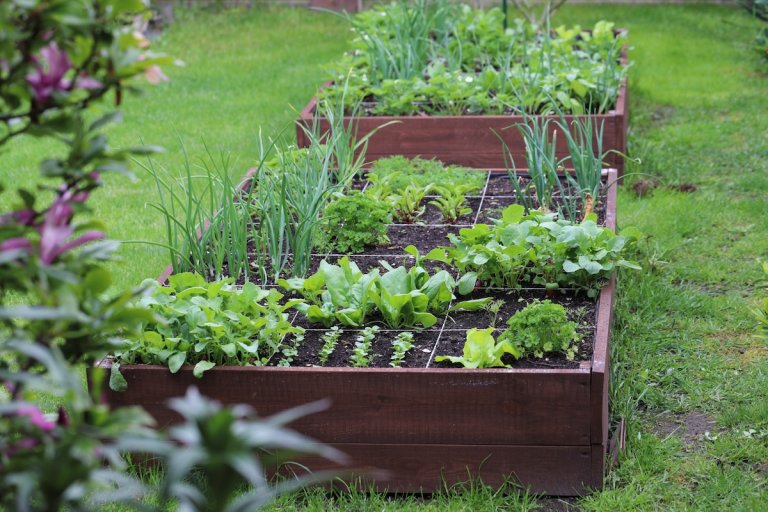
- Consider raised beds: If your native soil is difficult to adjust, using a raised planter with a custom soil mix can provide better control. Raised beds also improve drainage and reduce compaction.
For a detailed guide on building and filling garden beds, check out this step-by-step tutorial on starting a veggie garden from scratch.
Vegetable Preferences: Matching Crops to Soil pH
Different vegetables have specific pH preferences. Here’s a quick reference for popular crops:
| Vegetable | Preferred pH Range |
|---|---|
| Carrots, Tomatoes, Peppers | 6.0 – 6.8 |
| Potatoes | 5.5 – 6.5 |
| Beans, Peas | 6.0 – 7.5 |
| Broccoli, Cabbage, Kale | 6.5 – 7.0 |
| Lettuce, Spinach | 6.0 – 7.0 |
Knowing these preferences helps you group crops with similar needs and target your amendments more effectively. If you’re starting seeds indoors, see these seed starting tips for beginners to avoid common mistakes.
Common Mistakes When Adjusting Soil pH
While it’s tempting to fix soil issues quickly, avoid these pitfalls:
- Over-applying amendments: Adding too much lime or sulfur can swing the pH too far, harming plants and soil microbes.
- Ignoring soil texture: Sandy soils respond faster to amendments than clay soils, so adjust quantities accordingly.
- Not retesting: Always check your soil after making changes to ensure you’re moving in the right direction.
- Using the wrong amendment: Choose products suited to your soil type and crop needs for best results.
FAQ
How often should I test my vegetable garden soil pH?
It’s best to check your soil pH at least once a year, ideally before planting in spring. If you’re making amendments, retest after a few months to see how much the pH has changed. Regular monitoring helps you maintain the ideal range for your crops.
Can I use vinegar or baking soda to adjust soil pH?
While vinegar (acidic) and baking soda (alkaline) can change pH in small, controlled environments, they’re not recommended for garden beds. These household products act quickly and can harm beneficial soil life. Use agricultural amendments like lime or sulfur for safe, long-term results.
What should I do if my soil pH is perfect but my vegetables still struggle?
If your pH is within the ideal range and plants are still underperforming, consider other factors such as nutrient deficiencies, poor drainage, or incorrect planting depth. For more advice, review how deep to plant vegetable seeds and ensure you’re using the best seed starting mix for vegetables.
With the right approach to managing soil pH, your vegetable garden will have a strong foundation for healthy, productive plants. Take the time to test, amend, and monitor, and you’ll see the benefits in every harvest.