Living off the grid in a tropical climate offers a unique set of rewards and hurdles. The lush environment provides abundant natural resources, but the heat, humidity, and unpredictable weather can complicate daily life. For those considering tropical off-grid homesteading, understanding the region’s specific challenges—and how to address them—can make the difference between thriving and merely surviving.
Whether you’re drawn to the idea of self-sufficiency or want to reduce your ecological footprint, adapting to the tropics requires thoughtful planning. This article explores practical solutions for common obstacles, from water management to pest control, and highlights strategies to help you build a resilient, sustainable homestead.
If you’re interested in how off-grid living compares in other environments, you might want to check out off-grid homesteading in deserts for a look at survival strategies in arid regions.
Key Obstacles in Tropical Off-Grid Homesteading
Establishing a self-reliant lifestyle in the tropics means dealing with a range of environmental and logistical issues. Here are some of the most common:
- High humidity and rainfall can lead to mold, rot, and rapid deterioration of materials.
- Intense sun and heat increase water and energy needs.
- Frequent storms and cyclones threaten infrastructure and crops.
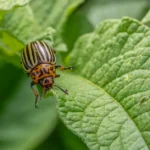
- Insects, rodents, and wildlife can damage food stores and gardens.
- Remote locations may limit access to supplies and communication.
Building Durable Shelters for the Tropics
Constructing a home that withstands tropical conditions is essential. Materials must resist moisture and pests, and designs should promote airflow to keep interiors cool.
- Choose rot-resistant woods like teak or bamboo, or use concrete and metal for structural elements.
- Elevate buildings to prevent flooding and improve ventilation.
- Install wide eaves and covered verandas to shield walls from rain and sun.
- Use screened windows and doors to keep insects out while allowing breezes in.
Water Collection and Management in Humid Environments
Water is rarely scarce in the tropics, but managing it can be tricky. Heavy rains can cause flooding, while dry spells may still occur. Effective water systems are a cornerstone of successful off-grid living in tropical regions.
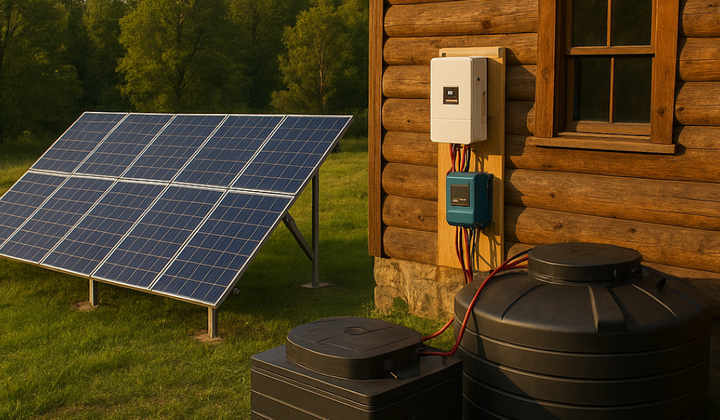
- Install rainwater catchment systems with large storage tanks to capture and store excess water during the wet season.
- Use gutters and downspouts with mesh screens to keep debris out of tanks.
- Consider gravity-fed irrigation for gardens to reduce energy use.
- Filter and purify all collected water to prevent waterborne diseases.
Energy Solutions for Remote Tropical Homesteads
Reliable power is essential for food preservation, lighting, and communication. Solar energy is a popular choice, but tropical weather can present challenges.
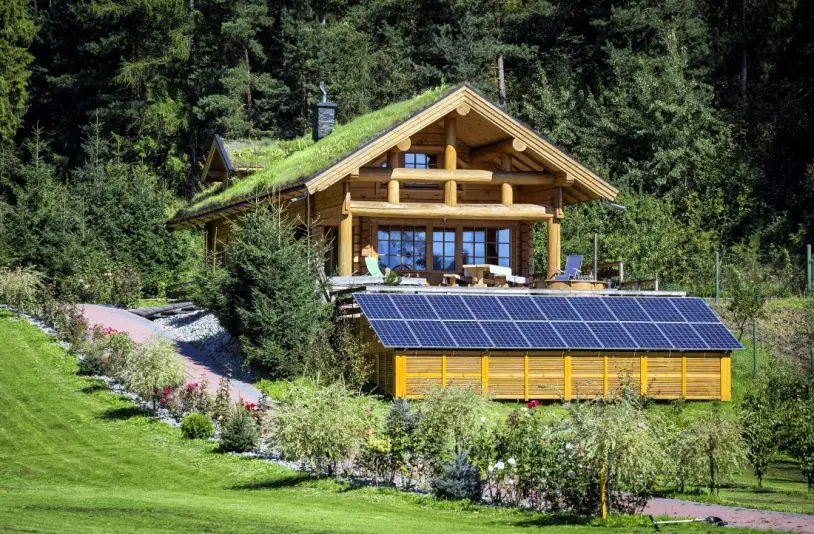
- Install solar panels in areas with maximum sun exposure and keep them clear of debris and moss.
- Use battery banks to store energy for cloudy or rainy days.
- Consider supplementing with wind or micro-hydro power if your site allows.
- Minimize energy needs with efficient appliances and LED lighting.
For those who need to stay connected, explore off-grid internet solutions to maintain reliable communication and access to information, even in remote locations.
Food Production and Garden Management
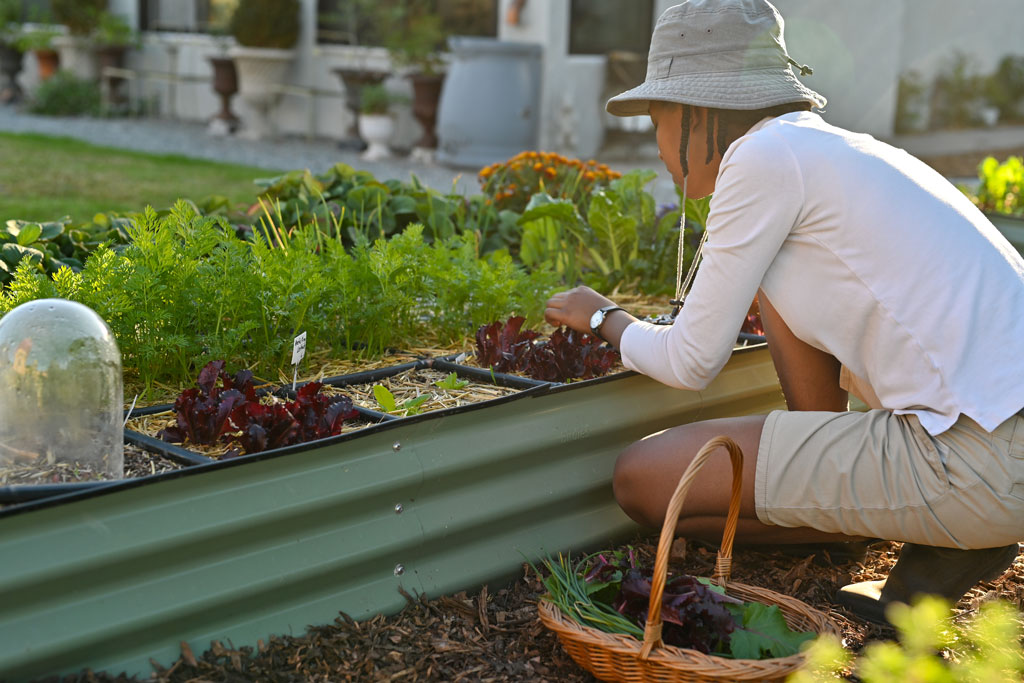
Growing food in a tropical climate can be both rewarding and challenging. The warm, moist environment supports rapid plant growth, but also encourages pests and diseases.
- Choose crops suited to the climate, such as sweet potatoes, taro, bananas, and tropical greens.
- Rotate crops and use raised beds to improve drainage and reduce soil-borne issues.
- Mulch heavily to retain moisture and suppress weeds.
- Implement integrated pest management, using natural predators and barriers to protect plants.
Dealing with Pests and Wildlife
Insects, rodents, and larger animals are a constant factor in the tropics. Protecting your food supply and infrastructure requires vigilance and smart design.
- Store food in sealed, rodent-proof containers.
- Use fine mesh or hardware cloth to secure gardens and animal enclosures.
- Keep compost bins covered and away from living areas.
- Encourage beneficial wildlife, such as birds and frogs, to help control insect populations.
Community, Connectivity, and Self-Reliance
While many choose a remote lifestyle for privacy, building connections with neighbors and local communities can be invaluable. Sharing resources, knowledge, and labor helps everyone adapt more effectively to the challenges of the tropics.
If you’re balancing family life in a remote setting, off-grid living with family offers insights into what to expect and how to foster resilience together.
Financial and Logistical Considerations
Establishing a homestead in a tropical area can be costly, especially if you’re starting from scratch. However, there are ways to minimize expenses and make the transition smoother.
- Source building materials locally to reduce transportation costs.
- Barter or trade skills and goods with neighbors.
- Plan supply runs carefully to avoid unnecessary trips to town.
- For those on a tight budget, learn how to live off the grid with minimal financial resources through creative solutions and community support.
Common Misconceptions About Tropical Homesteading
Many people imagine a carefree existence surrounded by fruit trees and sunshine, but the reality is more complex. It’s important to separate fact from fiction.
- Not all tropical land is fertile—soil quality varies greatly.
- Maintenance is ongoing due to rapid plant growth and weathering.
- Isolation can be challenging without reliable communication tools. For more on this, see remote work off-grid for tips on staying connected anywhere.
- Wildlife encounters are frequent and require preparedness.
For a deeper look at popular beliefs and realities, common off-grid homesteading myths are explored in detail.
FAQ
What are the biggest weather-related risks for tropical off-grid homes?
The most significant risks include cyclones, heavy rainfall leading to flooding, and high humidity causing mold and rot. Building with durable materials, elevating structures, and having an emergency plan are essential for minimizing these threats.
How can I protect my crops from pests in a tropical climate?
Use a combination of physical barriers (like mesh and netting), companion planting, and natural predators to keep pests in check. Regular monitoring and prompt action are key to preventing infestations from spreading.
Is it possible to live off the grid in the tropics with little money?
Yes, but it requires creativity and resourcefulness. Sourcing materials locally, trading with neighbors, and focusing on essential infrastructure first can help. For more ideas, see this guide on living off the grid with no money.
What crops grow best in tropical off-grid gardens?
Root vegetables like sweet potatoes and taro, bananas, papayas, cassava, and tropical greens such as amaranth and chaya are well-suited for these climates. Choose varieties known for disease resistance and adaptability to your specific microclimate.
How do I keep my home cool without air conditioning?
Design your home for cross-ventilation, use wide eaves and shaded verandas, and plant trees strategically for natural cooling. Lightweight, breathable building materials and elevated floors also help keep interiors comfortable.