Mulching is a simple yet highly effective gardening practice that can transform the health and productivity of your garden beds. Whether you’re growing vegetables, flowers, or shrubs, applying a layer of mulch offers a wide range of advantages for both plants and soil. Understanding the benefits of mulching garden beds can help you make informed decisions about how to care for your outdoor space and achieve better results season after season.
In this article, we’ll explore the top reasons to use mulch, the different types available, and practical tips for getting started. If you’re interested in improving your soil quality, you might also want to learn about how to adjust soil pH for vegetables, which pairs well with mulching for optimal plant health.
Why Mulching Is Essential for Healthy Garden Beds
Adding mulch to your garden beds is more than just a finishing touch. It’s a strategic move that supports plant growth, conserves resources, and reduces maintenance. Let’s look at the most important advantages of mulching and how they contribute to a thriving garden.
1. Moisture Retention and Reduced Watering
One of the most significant benefits of mulching garden beds is its ability to conserve soil moisture. Mulch acts as a protective barrier, slowing down evaporation and keeping the soil damp for longer periods. This means you’ll spend less time watering, and your plants will have a more consistent supply of moisture during hot or dry spells.
Using a soil moisture meter can help you monitor the effectiveness of your mulch and ensure your garden beds stay hydrated without overwatering.
2. Weed Suppression for Easier Maintenance
Weeds compete with your plants for nutrients, water, and sunlight. A thick layer of mulch blocks sunlight from reaching weed seeds, making it much harder for them to germinate and grow. This natural weed barrier reduces the need for manual weeding and minimizes the use of herbicides, making your gardening routine more manageable and eco-friendly.
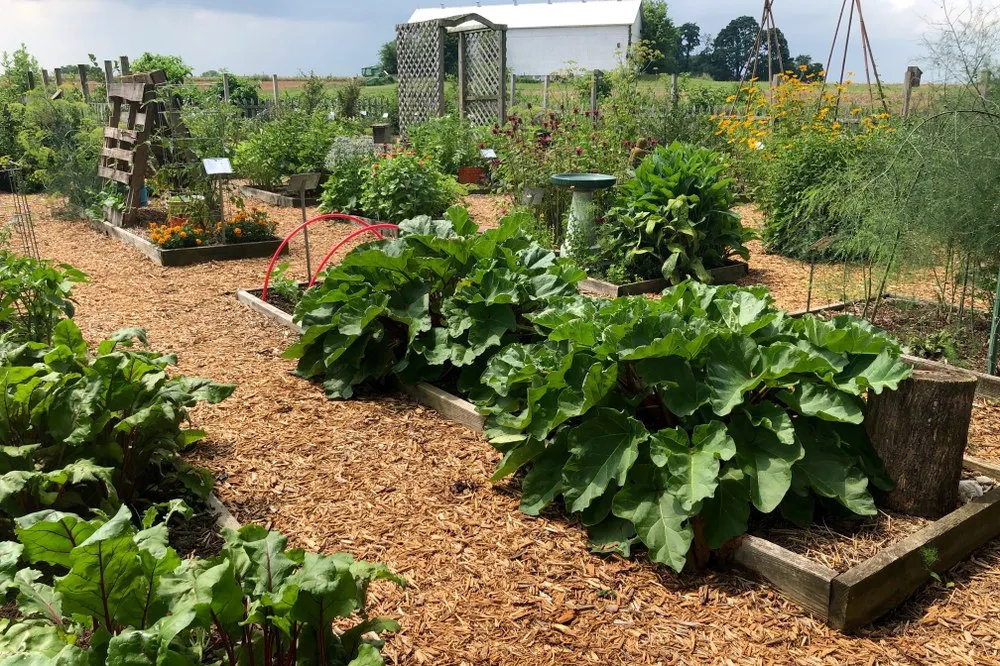
3. Improved Soil Structure and Fertility
Organic mulches, such as shredded leaves, straw, or wood chips, gradually break down and add valuable organic matter to the soil. This process improves soil structure, increases nutrient availability, and encourages beneficial microbial activity. Over time, your garden beds become more fertile and better able to support healthy plant growth. For more tips on boosting soil health, see our guide on how to improve soil fertility naturally.
4. Temperature Regulation for Root Protection
Mulch acts as an insulating layer, helping to keep soil temperatures stable throughout the year. In summer, it shields roots from extreme heat, while in winter, it provides a buffer against freezing temperatures. This temperature moderation is especially important for young plants and shallow-rooted species, reducing stress and supporting steady growth.
5. Prevention of Soil Erosion and Compaction
Heavy rainfall or frequent watering can wash away topsoil and compact the ground, making it harder for roots to access air and nutrients. Mulch helps prevent soil erosion by absorbing the impact of raindrops and reducing runoff. It also keeps the soil surface loose and crumbly, which is ideal for root development and water infiltration.

6. Enhanced Appearance and Curb Appeal
Beyond the practical advantages, mulch gives garden beds a tidy, uniform look that enhances the overall appearance of your landscape. It can be used to define pathways, highlight plant groupings, and create a polished finish that boosts curb appeal. Choosing mulch colors and textures that complement your plants and home style can make a big visual impact.
7. Disease Prevention and Plant Health
Some plant diseases are spread by soil splashing onto leaves during rain or watering. Mulch acts as a barrier, reducing the risk of soil-borne pathogens reaching your plants. This is especially helpful for vegetables and ornamentals prone to fungal infections. For more tips on keeping seedlings healthy, check out our article on how to thin seedlings properly for a healthier harvest.
Choosing the Right Mulch for Your Garden Beds
There are many types of mulch available, each with its own set of pros and cons. Organic options like straw, wood chips, shredded leaves, and compost add nutrients as they break down. Inorganic mulches, such as gravel or landscape fabric, provide long-lasting weed control but don’t improve soil fertility. Consider your garden’s needs, plant types, and local climate when selecting the best mulch for your beds.
If you’re starting a new vegetable patch, you might find this step-by-step guide to starting a small vegetable garden helpful for planning your layout and mulching strategy.
Tips for Applying Mulch Effectively
- Apply mulch in a layer 2–4 inches thick for best results. Too little won’t suppress weeds, while too much can suffocate roots.
- Keep mulch a few inches away from plant stems and tree trunks to prevent rot and pest problems.
- Replenish mulch as needed, especially after heavy rain or as organic materials decompose.
- Use a rake or gloved hands to spread mulch evenly and avoid compacting the soil underneath.
- Monitor soil moisture and adjust watering as mulched beds retain water longer than bare soil.
For more on monitoring your soil, see our resource on how to test soil at home using simple methods.
Frequently Asked Questions
How often should I reapply mulch in my garden beds?
Most organic mulches need to be replenished once or twice a year, depending on the material and local conditions. Check your beds each season and add more mulch as it decomposes or thins out.
Can I use grass clippings as mulch?
Yes, grass clippings can be used as mulch, but it’s best to let them dry out first to prevent matting and odor. Avoid using clippings from lawns treated with herbicides or pesticides.
Will mulch attract pests to my garden?
Mulch can provide shelter for some insects, but using the right materials and applying them correctly minimizes pest issues. Keep mulch away from plant stems and avoid using materials that are prone to harboring pests, such as unshredded leaves or diseased plant debris.
Conclusion
Mulching is a straightforward way to boost the health, beauty, and productivity of your garden beds. From conserving moisture and suppressing weeds to improving soil fertility and protecting plants, the advantages are clear. By choosing the right mulch and applying it properly, you’ll enjoy easier maintenance and more robust growth throughout the gardening season. For more tips on preparing plants for outdoor conditions, see our advice on how to harden off plants before transplanting.