Seeing your vegetable garden stall can be frustrating, especially when you’ve put in the effort to plant, water, and care for your crops. There are several reasons vegetable plants may not thrive, and understanding these can help you address issues quickly and get your garden back on track. This guide explores the most common factors that can stunt growth, from soil problems to watering mistakes, and offers practical solutions for each.
Before diving into the main causes, it’s worth noting that sometimes small adjustments—like improving watering habits or adding mulch—can make a big difference. For those interested in optimizing their watering system, consider learning more about drip irrigation for home gardens to ensure your plants get consistent moisture without overwatering.
1. Poor Soil Quality and Nutrition
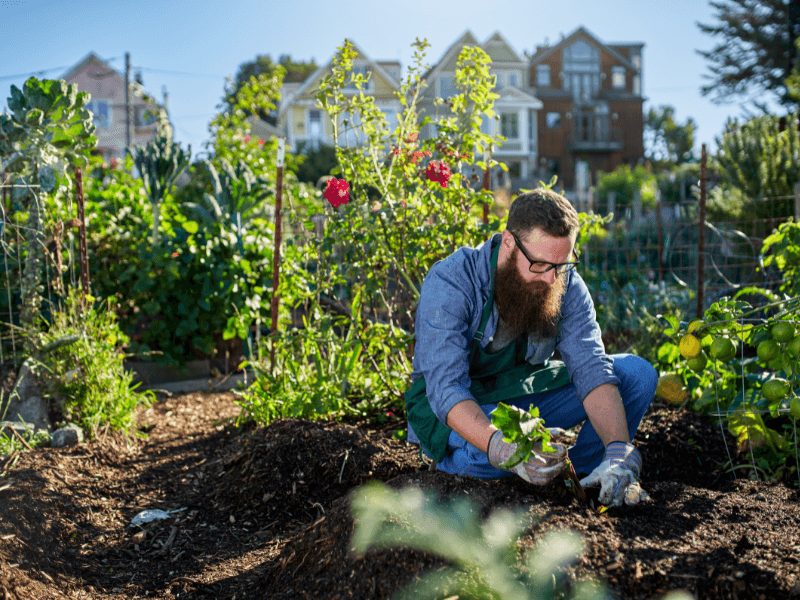
One of the most frequent reasons for stunted vegetable growth is inadequate soil conditions. Healthy soil is the foundation for a productive garden. If your plants are not growing, start by assessing the soil’s texture, drainage, and nutrient content.
- Lack of Nutrients: Vegetables need a balanced supply of nitrogen, phosphorus, and potassium, along with trace minerals. Deficiencies can cause yellowing leaves, weak stems, and slow growth.
- Soil Structure: Compacted or clay-heavy soils can restrict root development and limit access to water and nutrients.
- pH Imbalance: Most vegetables prefer a slightly acidic to neutral pH (6.0–7.0). Extreme pH levels can lock up essential nutrients.
To address these issues, test your soil with a home kit or send a sample to a local extension service. Amend poor soils with compost, aged manure, or organic fertilizers. Raised beds can also help improve drainage and soil structure. If you’re considering an upgrade, a raised planter bed can be a practical solution for persistent soil problems.
2. Watering Problems: Too Much or Too Little
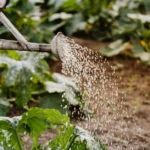
Improper watering is a leading cause of vegetable plants failing to grow. Both overwatering and underwatering can stress plants, leading to wilting, yellowing, or root rot.
- Overwatering: Soggy soil suffocates roots and encourages fungal diseases. Signs include yellow leaves and stunted growth.
- Underwatering: Dry soil causes wilting and can halt development, especially during hot spells.
Check soil moisture regularly by sticking your finger an inch or two into the soil. It should feel moist but not saturated. Consider using a soil moisture meter for more accurate readings. For tips on efficient watering, see this guide on how to water plants efficiently.
3. Insufficient Sunlight
Vegetable crops require plenty of sunlight to photosynthesize and grow. Most varieties need at least 6–8 hours of direct sunlight daily. If your garden is shaded by trees, buildings, or fences, plants may become leggy, pale, and slow to mature.
To maximize sunlight exposure:
- Choose the sunniest spot in your yard for planting.
- Trim back overhanging branches or relocate containers as needed.
- Grow shade-tolerant crops (like lettuce or spinach) in less sunny areas, reserving prime spots for sun-loving vegetables such as tomatoes and peppers.
If you’re starting a new garden, planning for optimal sunlight is key. For more beginner tips, see this comprehensive guide to starting a vegetable garden.
4. Pest and Disease Pressure
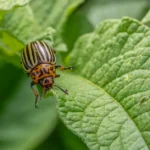
Another frequent reason for lack of growth in vegetable gardens is pest or disease problems. Insects like aphids, cutworms, and beetles can damage leaves and roots, while fungal or bacterial diseases may cause wilting, spots, or stunted plants.
Common signs of trouble include:
- Chewed or distorted leaves
- Sticky residue (honeydew) or black sooty mold
- Sudden wilting or brown patches
To manage pests and diseases:
- Inspect plants regularly and remove affected leaves or insects by hand.
- Encourage beneficial insects like ladybugs and lacewings.
- Use organic sprays or barriers as needed, following label directions.
- Rotate crops each season to reduce soil-borne disease risk.
Mulching can also help suppress weeds and reduce disease splash. For more on this, explore the benefits of mulching in vegetable gardens.
5. Environmental Stress and Timing Issues
Sometimes, vegetable plants struggle to grow because of environmental factors or planting at the wrong time. Cool-season crops like peas and lettuce can bolt or fail in hot weather, while warm-season crops like tomatoes may stall in cold soil.
Other environmental stresses include:
- Sudden temperature swings or late frosts
- Wind damage or hail
- Transplant shock from moving seedlings outdoors too early
To minimize these risks:
- Plant at the recommended time for your region and crop type.
- Use row covers or cloches to protect young plants from cold snaps.
- Mulch to moderate soil temperature and retain moisture. Learn more about the best mulch options for vegetable plants and their pros and cons.
Patience is sometimes required—some vegetables simply take time to establish before rapid growth begins.
Additional Tips for Healthy Vegetable Gardens
In addition to addressing the five main causes above, here are a few more strategies to encourage robust growth:
- Practice crop rotation to prevent nutrient depletion and disease buildup.
- Space plants according to seed packet recommendations to avoid overcrowding.
- Fertilize as needed, but avoid overfeeding, which can lead to lush foliage with little fruit.
- Monitor for weeds and remove them promptly to reduce competition for resources.
For a deeper dive into the benefits of mulching garden beds, check out this detailed overview.
Frequently Asked Questions
How can I tell if my vegetable plants are getting enough water?
Check the soil moisture by inserting your finger about two inches into the soil. If it feels dry, it’s time to water. Using a soil moisture meter can provide more precise readings and help prevent both overwatering and underwatering.
What should I do if my plants are growing slowly despite good soil and sunlight?
Slow growth can be caused by environmental stress, pests, or diseases. Inspect plants for signs of insect damage or disease, and consider whether recent weather conditions (such as cold snaps or heatwaves) may be affecting growth. Adjust care as needed and be patient—some crops take longer to establish.
Is mulching necessary for vegetable gardens?
Mulching is highly beneficial. It helps retain soil moisture, suppress weeds, regulate soil temperature, and can reduce the spread of soil-borne diseases. Organic mulches like straw, shredded leaves, or compost are especially effective for vegetable beds.