Making the most of a compact garden requires smart planning and a few proven strategies. Whether you’re growing vegetables, herbs, or flowers, learning how to maximize small garden space can transform even the tiniest patch of soil into a productive oasis. By using vertical structures, intensive planting methods, and thoughtful design, you’ll enjoy higher yields and more beauty from every square foot.
Before diving into practical techniques, it’s helpful to understand your garden’s unique conditions. Observe how sunlight moves across your space, check your soil quality, and consider what you most want to grow. For those interested in supporting climbing crops, this guide on how to trellis climbing vegetables offers valuable insights for vertical gardening success.
Vertical Gardening: Grow Up, Not Out
One of the most effective ways to boost productivity in limited areas is by growing vertically. Using trellises, arbors, and wall-mounted planters allows you to take advantage of unused airspace. This method is especially useful for vining crops like cucumbers, beans, and squash, as well as for decorative climbers.
- Trellises and Cages: Install sturdy supports for tomatoes, peas, and pole beans. This keeps plants healthy, improves airflow, and makes harvesting easier.
- Wall Planters: Attach pocket planters or shelves to fences and walls for herbs, strawberries, and leafy greens.
- Hanging Baskets: Use baskets for trailing flowers or compact vegetables like cherry tomatoes and lettuce.
Vertical gardening not only saves ground space but also reduces pest issues and increases sunlight exposure for your crops.
Intensive Planting Techniques for Small Spaces
To truly unlock the potential of a compact plot, consider high-density planting methods. These approaches focus on growing more in less space by minimizing gaps and maximizing root zone efficiency.
- Square Foot Gardening: Divide your beds into 1-foot squares and plant each with a specific number of seeds or seedlings based on their mature size. This method is ideal for beginners and ensures every inch is productive.
- Succession Planting: As soon as one crop finishes, replant the area with another. For example, follow spring lettuce with summer beans, then fall carrots.
- Interplanting: Combine fast-growing crops with slower ones. Radishes, for example, can be sown between rows of carrots and harvested before the carrots need extra space.
For more on optimizing plant health in dense plantings, check out signs of overwatering plants and signs of underwatering plants to keep your garden thriving.
Raised Beds: Structure and Efficiency
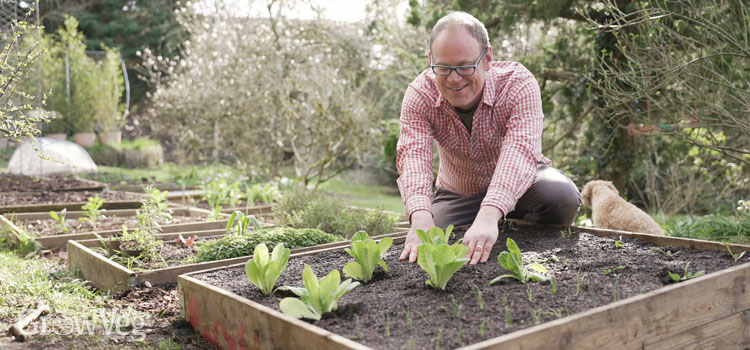
Raised beds are a cornerstone of efficient gardening in small yards. By elevating the soil, you gain better drainage, improved soil quality, and easier access for planting and maintenance. Raised beds can be built from wood, metal, or composite materials, and their defined edges help keep pathways clear and weeds at bay.
Benefits of raised beds include:
- Improved Soil Control: Fill beds with high-quality soil blends for better root growth and water retention.
- Less Compaction: Because you don’t walk on the soil, roots have more room to expand.
- Accessibility: Higher beds are easier on the back and can be adapted for gardeners with mobility challenges.
Pairing raised beds with vertical supports maximizes both horizontal and vertical growing areas, making them ideal for urban and suburban gardens.
Crop Selection: Choose Wisely for Maximum Yield
When space is limited, every plant should earn its keep. Focus on varieties that offer high yields, compact growth, or multiple harvests. Leafy greens, bush beans, determinate tomatoes, and herbs are all excellent choices for tight quarters.
Consider these tips for smart crop selection:
- Grow What You Eat: Prioritize crops your household enjoys most.
- Opt for Compact Varieties: Many seed companies offer dwarf or patio versions of popular vegetables.
- Continuous Harvest: Choose cut-and-come-again greens or indeterminate tomatoes for ongoing production.
For those new to edible gardening, these beginner vegetable garden tips provide a helpful starting point.
Smart Watering and Soil Management
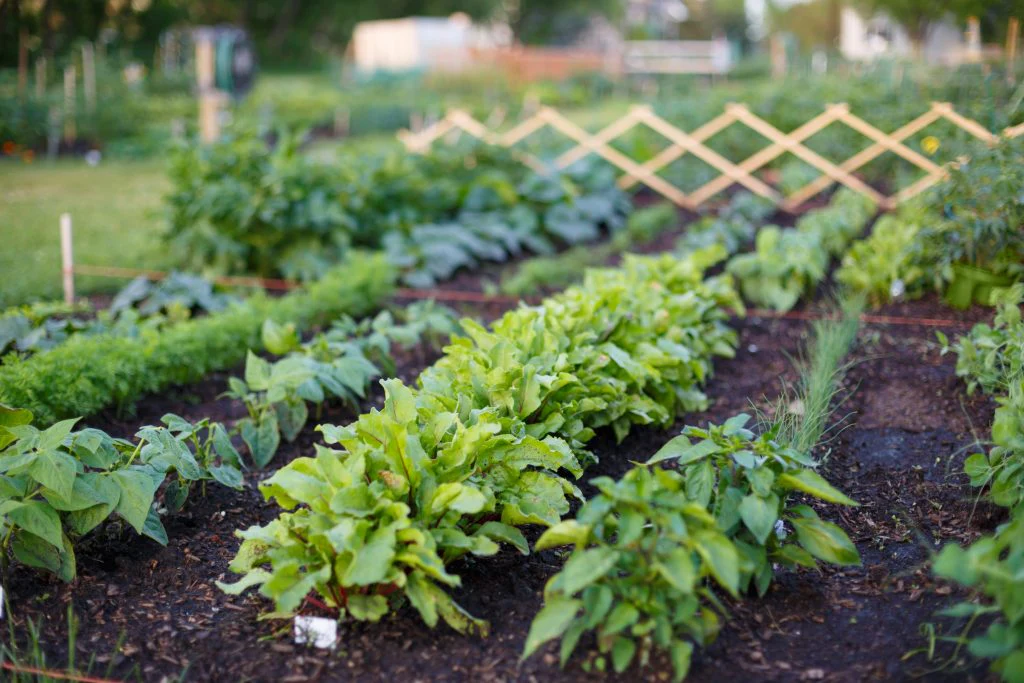
Efficient water use is crucial when gardening intensively. Dense plantings can dry out quickly, so monitoring moisture levels and amending soil with organic matter is key. Mulch helps retain moisture and suppress weeds, while drip irrigation or soaker hoses deliver water directly to roots.
Using a soil moisture meter can take the guesswork out of watering, ensuring your plants receive just the right amount. Regularly check for signs of both overwatering and underwatering to keep your garden healthy and productive.
Maintenance Tips for High-Yield Small Gardens
Once your garden is established, a few ongoing practices will help you maintain productivity:
- Prune Regularly: Remove dead or overcrowded growth to boost airflow and light penetration. For detailed advice, see how to prune vegetable plants.
- Stake and Support: Use stakes, cages, or netting to keep plants upright and prevent damage.
- Feed Appropriately: Intensive gardens often need more nutrients. Use compost or slow-release fertilizers to keep plants vigorous.
- Rotate Crops: Change planting locations each season to reduce disease and pest buildup.
Regular observation and quick action at the first sign of trouble will keep your small garden thriving all season long.
Frequently Asked Questions
What are the best vegetables to grow in a small garden?
Compact and high-yield crops like lettuce, spinach, bush beans, radishes, cherry tomatoes, and herbs are excellent choices. Look for varieties bred specifically for containers or small spaces to maximize your harvest.
How can I increase sunlight in a shaded small garden?
Use reflective surfaces such as light-colored walls or mirrors to bounce sunlight into shaded areas. Prune overhanging branches and position taller plants to the north side so they don’t block light from shorter crops.
How often should I water an intensively planted small garden?
Water needs depend on weather, soil, and plant density. Generally, check soil moisture daily during hot weather. Using mulch and a soil moisture meter helps maintain consistent hydration without overwatering.
Conclusion
With the right techniques, even the smallest garden can be highly productive and rewarding. By embracing vertical gardening, intensive planting, raised beds, and careful crop selection, you’ll discover just how much you can grow in a compact space. Consistent maintenance and smart watering will keep your garden healthy and bountiful throughout the season.
For more practical tips, explore resources on how to stake tomato plants properly and other high-yield gardening methods. With a bit of planning and creativity, maximizing your small garden is well within reach.