Fungal diseases are a common challenge for gardeners and plant enthusiasts. These infections can quickly spread, damaging leaves, stems, and even roots, leading to stunted growth or plant death. Understanding how to treat fungal infections in plants using natural methods helps protect your garden without relying on harsh chemicals. This guide covers practical, eco-friendly solutions to prevent and manage fungal problems, ensuring your plants remain healthy and productive.
Before diving into natural remedies, it’s helpful to learn about sustainable gardening as a whole. For tips on nurturing your garden in an environmentally friendly way, check out how to grow vegetables sustainably. Combining sustainable practices with natural treatments can significantly reduce the risk of recurring fungal issues.
Recognizing Signs of Fungal Problems
Early detection is crucial for managing fungal diseases. Common symptoms include:
- Yellow, brown, or black spots on leaves
- White, powdery coatings (powdery mildew)
- Wilting despite adequate watering
- Leaf drop or stunted growth
- Soft, mushy roots or stems
Identifying these signs early allows you to act quickly and prevent the spread to other plants.
Why Choose Natural Remedies?
Many commercial fungicides contain synthetic chemicals that can harm beneficial insects, pollute soil, and pose risks to pets and children. Natural treatments are safer for the environment and often just as effective when used correctly. They also support a balanced ecosystem in your garden, encouraging beneficial microbes and insects that help control pests and diseases.
Effective Natural Solutions for Fungal Infections
There are several proven methods for addressing fungal issues without resorting to synthetic chemicals. Here are some of the most reliable approaches:
1. Neem Oil Applications
Neem oil is a natural extract from the neem tree and is widely used for its antifungal properties. To use, dilute according to the product instructions and spray on affected leaves and stems. Repeat every 7–10 days until symptoms subside. Neem oil is safe for most plants and does not harm pollinators when applied in the evening or early morning.
2. Baking Soda Spray
Baking soda changes the pH on leaf surfaces, making it less hospitable for fungi. Mix 1 teaspoon of baking soda with 1 quart of water and a few drops of mild liquid soap. Spray thoroughly on both sides of the leaves. Use weekly as a preventative measure or at the first sign of infection.
3. Milk Solution
Milk contains proteins that can suppress fungal growth, especially powdery mildew. Mix 1 part milk with 2 parts water and spray on affected plants every 7–10 days. This remedy works best in sunny conditions, as sunlight helps activate milk’s antifungal properties.
4. Garlic Extract Spray
Garlic contains sulfur compounds that act as natural fungicides. Crush several garlic cloves and steep them in a quart of water overnight. Strain and spray the liquid on affected plants. This method is especially useful for controlling leaf spot and blight.
5. Remove and Destroy Infected Plant Material
Prune away infected leaves, stems, or fruit and dispose of them in the trash—never compost diseased material, as spores can survive and reinfect your garden. Sterilize pruning tools between cuts to avoid spreading the fungus.
Improving Garden Conditions to Prevent Fungal Growth
Prevention is often more effective than treatment. Adjusting your gardening practices can greatly reduce the risk of fungal outbreaks:
- Water at the base: Wet leaves promote fungal growth. Use drip irrigation or water early in the day to allow foliage to dry quickly.
- Increase air circulation: Space plants adequately and prune overcrowded areas to improve airflow.
- Rotate crops: Avoid planting the same species in the same spot year after year.
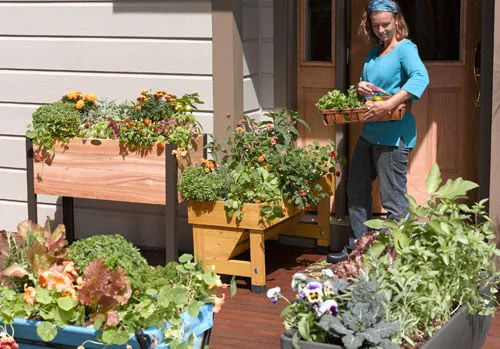
- Use raised beds: Raised beds improve drainage and reduce the likelihood of soil-borne diseases. For more on this, see the vegetable gardening advice from Gardener’s Supply Company.
- Mulch wisely: Use organic mulch to prevent soil splash but keep it a few inches away from plant stems.
For additional tips on sustainable garden management, explore eco friendly gardening practices that help maintain plant health and resilience.
Natural Methods for Ongoing Fungal Control
Consistent care is key to keeping fungal problems at bay. Here’s how to maintain a healthy environment for your plants:
- Inspect regularly: Check plants weekly for early signs of disease.
- Practice good hygiene: Clean up fallen leaves and debris, especially at the end of the growing season.
- Encourage biodiversity: Mix plant varieties to reduce the risk of widespread infection.
- Monitor soil moisture: Overwatering is a common cause of root rot and other fungal issues. Use a moisture meter to ensure soil is not too wet.
For those interested in preserving seeds from healthy plants, learn about seed saving tips for beginners to ensure future crops are strong and disease-resistant.
When to Seek Further Help
While most fungal infections can be managed with the methods above, severe or persistent problems may require additional action. If you notice rapid plant decline or if natural remedies are not effective after several weeks, consult a local extension office or professional horticulturist for diagnosis and tailored advice.
FAQ
What causes fungal infections in garden plants?
Fungal diseases thrive in warm, humid conditions and often spread through water splash, contaminated tools, or infected plant material. Overcrowding, poor air circulation, and excessive moisture are common contributing factors.
Can I use homemade remedies for all types of plant fungi?
Many homemade solutions like neem oil, baking soda, and milk sprays are effective against common leaf and stem fungi. However, some soil-borne or systemic infections may require more targeted approaches or professional guidance.
How can I prevent fungal problems from returning?
Maintain good garden hygiene, rotate crops, avoid overhead watering, and use disease-resistant plant varieties. Regularly inspect your plants and promptly remove any infected material to minimize future outbreaks.
Is it safe to eat vegetables treated with natural fungicides?
Yes, most natural treatments are safe for edible plants when used as directed. Always wash produce thoroughly before consumption, especially if sprayed with homemade solutions.
For more on storing seeds from healthy plants, visit how to store seeds for next season to keep your garden thriving year after year.