Adopting eco friendly gardening practices at home is one of the most effective ways to support the environment while creating a thriving, beautiful outdoor space. These methods not only help conserve resources and protect local ecosystems, but they can also make your garden healthier and more resilient. Whether you’re new to gardening or looking to make your existing space more sustainable, there are simple steps you can take to reduce your environmental impact.
From composting kitchen scraps to conserving water and choosing native plants, sustainable gardening is accessible to everyone. If you’re interested in learning more about growing vegetables in a responsible way, check out this guide on how to grow vegetables sustainably for additional tips and inspiration.
Why Sustainable Gardening Matters
Traditional gardening methods often rely on synthetic chemicals, excessive water use, and non-renewable resources. In contrast, environmentally conscious gardening focuses on working with nature rather than against it. By making thoughtful choices, you can:
- Reduce pollution and chemical runoff
- Conserve water and energy
- Support pollinators and beneficial insects
- Build healthier soil for future growth
- Minimize waste and landfill contributions
Let’s explore ten practical ways to make your home garden more eco-conscious.
1. Start Composting at Home
Composting is a cornerstone of eco friendly gardening practices. By turning kitchen scraps, yard trimmings, and other organic waste into nutrient-rich compost, you reduce landfill waste and create a natural fertilizer for your plants. Compost improves soil structure, retains moisture, and encourages beneficial microbes. For a step-by-step approach, see this detailed guide on how to make compost at home.
2. Choose Native and Drought-Tolerant Plants
Opting for native species and drought-resistant varieties helps your garden thrive with less water and fewer chemical inputs. These plants are adapted to your local climate and soil, making them more resilient to pests and disease. They also provide vital habitat and food for pollinators and wildlife.
3. Conserve Water with Smart Techniques
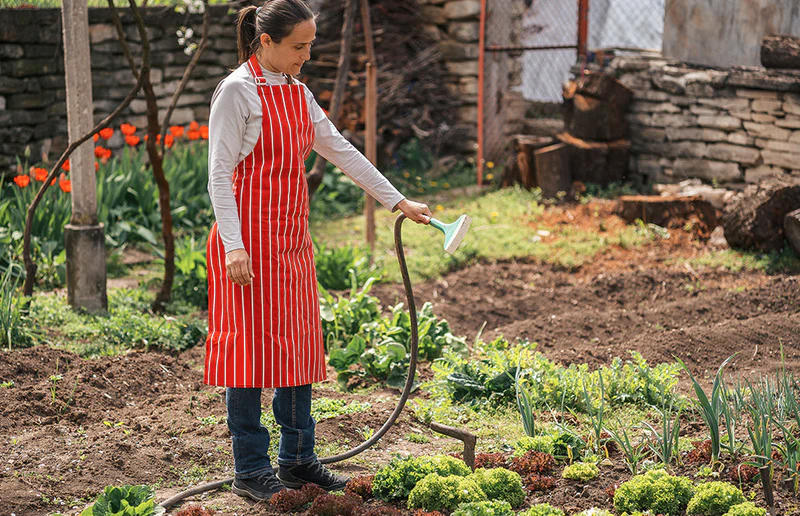
Water conservation is essential for sustainable gardening. Use mulch to retain soil moisture, water early in the morning or late in the evening to reduce evaporation, and group plants with similar water needs together. Installing a rain barrel or drip irrigation system can further reduce water waste.
4. Use Organic Mulch and Amendments
Applying organic mulch such as wood chips, straw, or shredded leaves helps suppress weeds, regulate soil temperature, and enrich the soil as it breaks down. Avoid synthetic mulches and opt for locally sourced materials when possible. Amending soil with compost or aged manure further boosts fertility without synthetic fertilizers.
5. Avoid Synthetic Chemicals
Reducing or eliminating synthetic pesticides and fertilizers is a key part of eco friendly gardening practices. Instead, encourage natural predators, use physical barriers, and try organic solutions like neem oil or insecticidal soap. Healthy soil and diverse plantings naturally deter many pests and diseases.
6. Practice Crop Rotation and Companion Planting
Rotating crops each season prevents soil depletion and disrupts pest cycles. Companion planting—growing certain plants together—can enhance growth, repel pests, and maximize space. For example, planting basil near tomatoes can improve flavor and deter insects.
7. Save and Reuse Seeds
Saving seeds from your healthiest plants reduces reliance on commercial seed packets and preserves heirloom varieties. This practice also helps you select plants best suited to your local conditions over time. Beginners can learn more by reading about how to save seeds from vegetables.
8. Attract Pollinators and Beneficial Insects
Pollinators like bees, butterflies, and beneficial insects are crucial for a productive garden. Plant a variety of flowering species that bloom at different times, avoid pesticides, and provide shelter such as insect hotels or undisturbed garden corners. These steps support biodiversity and natural pest control.
9. Reduce, Reuse, and Recycle Garden Materials
Minimize waste by reusing pots, repurposing containers, and recycling garden materials whenever possible. Old buckets, crates, or even broken tools can find new life as planters or supports. This approach saves money and keeps materials out of landfills.
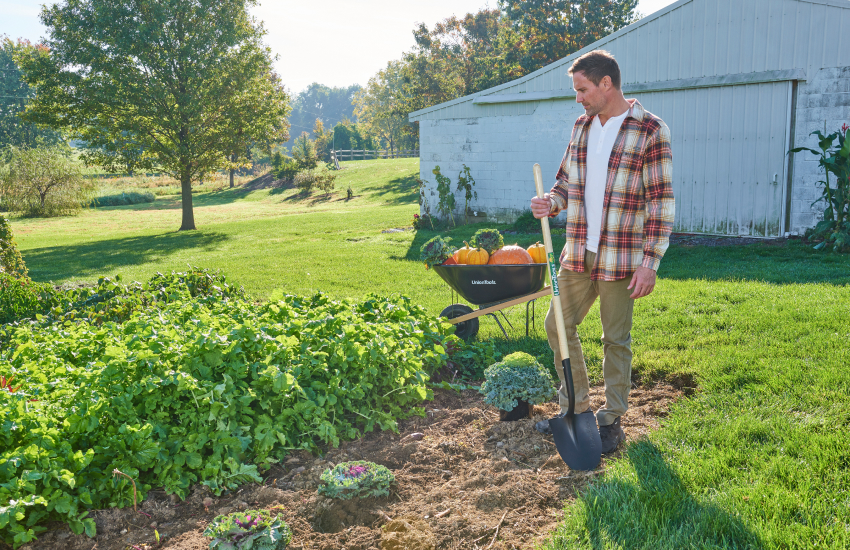
10. Choose Slow-Release and Organic Fertilizers
When your garden needs a nutrient boost, opt for slow-release or organic fertilizers instead of quick-acting synthetic ones. These products feed plants gradually, reduce runoff, and support long-term soil health. For a comparison of fertilizer types, see this article on slow release vs liquid fertilizer.
Bonus: Plan Your Garden Layout Thoughtfully
Designing your garden with sustainability in mind can make a big difference. Group plants by water and sunlight needs, create pathways to minimize soil compaction, and leave space for compost bins or rainwater collection. For inspiration, you can explore ideas for starting a small vegetable garden that emphasize efficiency and environmental care.
Making Sustainable Choices Year-Round
Eco-conscious gardening isn’t limited to the growing season. In fall, leave some plant debris to shelter overwintering insects. In winter, plan for next year by researching new native species or building compost bins. When spring arrives, start seeds indoors using recycled containers and organic potting mixes. For tips on preserving seeds for future use, see this guide on how to store seeds for next season.
Frequently Asked Questions
What are the easiest eco friendly gardening practices to start with?
Begin with composting kitchen scraps, mulching your garden beds, and choosing native plants. These steps require little investment and quickly improve your garden’s sustainability.
How can I reduce water usage in my garden?
Use mulch to retain moisture, water during cooler parts of the day, and install drip irrigation or a rain barrel. Selecting drought-tolerant plants also helps minimize water needs.
Are organic fertilizers better for the environment?
Yes, organic and slow-release fertilizers feed plants gradually and support healthy soil life, reducing the risk of nutrient runoff and pollution compared to synthetic options.
Conclusion
Adopting eco friendly gardening practices is a rewarding way to care for your home and the planet. By making small, thoughtful changes, you can create a thriving garden that conserves resources, supports wildlife, and produces healthy food or flowers. Start with a few of these tips and build on your progress each season for a greener, more sustainable outdoor space.