Embracing a self-sufficient lifestyle means being ready to tackle a variety of home and land maintenance tasks. For those interested in practical living and sustainability, learning how to handle common repairs is essential. This modern homesteading DIY repairs guide offers practical advice and step-by-step tips to help you maintain your property, save money, and build confidence in your abilities.
Whether you’re managing a small backyard homestead or a larger rural property, knowing how to fix things yourself is a cornerstone of modern self-reliance. From patching fences to troubleshooting plumbing, the skills you develop will serve you for years to come. If you’re also interested in expanding your homesteading skills, you might find our modern homesteading cheese making basics guide helpful as well.
Getting Started with Essential DIY Tools
Before diving into repairs, it’s important to assemble a reliable toolkit. The right tools make every job safer and more efficient. For most homesteaders, a basic set should include:
- Hammer and nails
- Screwdrivers (flathead and Phillips)
- Adjustable wrench and pliers
- Measuring tape and level
- Utility knife
- Handsaw or small power saw
- Drill and assorted bits
- Work gloves and safety glasses
Investing in quality tools pays off in the long run. Keep your toolkit organized and accessible so you’re always ready for unexpected repairs.
Common Repairs on the Modern Homestead
Daily life on a homestead often brings a variety of maintenance tasks. Here are some of the most frequent repairs you’ll encounter and how to approach them:
Fixing Fences and Gates
Fences are crucial for keeping animals in and pests out. Over time, weather and wear can cause boards to loosen or wire to sag. To repair a wooden fence:
- Inspect for broken or rotted boards and remove them.
- Replace with new boards, securing with galvanized nails or screws.
- For wire fencing, re-stretch sagging sections and use fence staples to secure loose wire.
- Lubricate hinges and check gate latches for smooth operation.
Basic Plumbing Fixes for Self-Reliant Living
Plumbing issues can disrupt daily routines. Fortunately, many minor problems are easy to address. For example, a dripping faucet often requires only a new washer. If you have a clogged drain, try a plunger or a drain snake before using harsh chemicals. Always shut off the water supply before starting any plumbing repair.
Electrical Safety and Simple Repairs
Electrical work requires caution. For simple tasks like replacing a light switch or outlet cover, turn off the circuit breaker first. Use a voltage tester to confirm the power is off. If you’re unsure or dealing with complex wiring, consult a licensed electrician.
Maintaining Outdoor Structures and Equipment
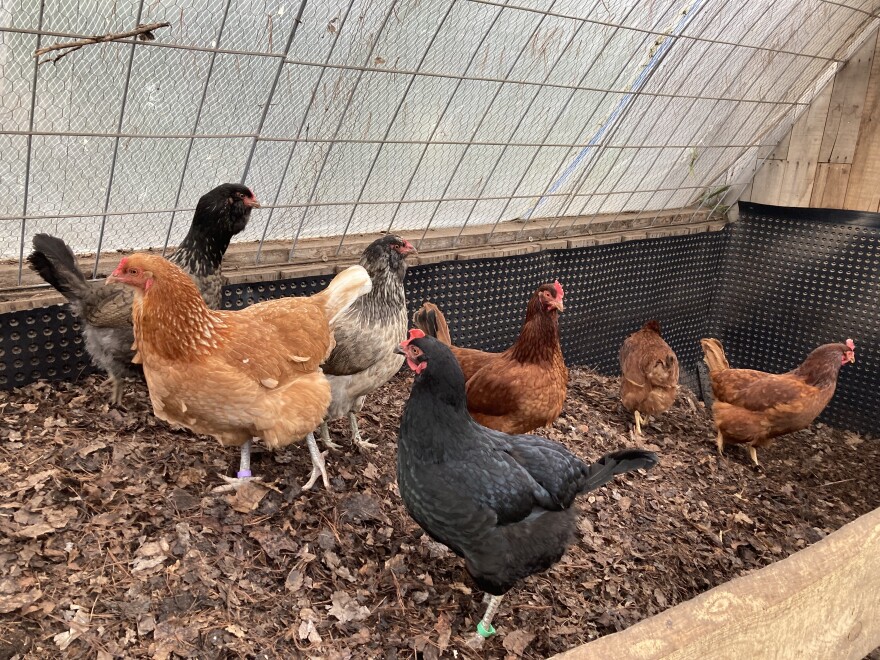
Outbuildings, sheds, and coops are vital parts of many homesteads. Keeping them in good repair protects your animals, tools, and supplies.
- Check roofs for leaks and patch with roofing cement or replace damaged shingles.
- Inspect doors and windows for gaps; use weatherstripping to seal drafts.
- Regularly oil hinges and locks to prevent rust.
- Clean gutters and downspouts to ensure proper drainage.
Seasonal Maintenance Tips for Homesteaders
Staying ahead of seasonal changes helps prevent bigger problems down the road. Here are some proactive steps for each season:
- Spring: Inspect roofs, siding, and foundations for winter damage. Clean and sharpen garden tools.
- Summer: Monitor irrigation systems and repair leaks. Check fences and animal enclosures.
- Fall: Clear gutters, seal windows, and prepare heating systems.
- Winter: Insulate exposed pipes, check for drafts, and keep pathways clear of snow and ice.
For more on water management, see our modern homesteading irrigation methods guide.
Learning and Growing Your DIY Skills
No one starts out as an expert. The key to mastering repairs is a willingness to learn and practice. There are many resources available, from online tutorials to local workshops. For a deeper understanding of self-sufficient living, you might explore what modern homesteading means and how to get started.
Don’t hesitate to ask neighbors or community members for advice. Sharing knowledge is a big part of the homesteading ethos. Over time, you’ll develop a toolkit of skills that make daily life smoother and more rewarding.
Expanding Your Self-Sufficiency Beyond Repairs
While fixing things is a core part of homesteading, there’s much more to explore. Many homesteaders branch out into food preservation, animal husbandry, and sustainable cooking. If you’re interested in making your own dairy products, our modern homesteading butter making guide and modern homesteading dairy processing basics are excellent next steps.
Building a holistic set of skills ensures you’re prepared for whatever challenges come your way. The journey is ongoing, and every new repair or project adds to your confidence and independence.
FAQ: Common Questions About Homestead Repairs
What are the most important safety tips for DIY repairs?
Always wear proper safety gear, such as gloves and goggles. Turn off power or water before working on electrical or plumbing systems. If a repair feels beyond your skill level, consult a professional to avoid injury or further damage.
How can I learn new repair skills if I’m just starting out?
Start with small projects and build your confidence gradually. Use online videos, community classes, and books focused on homesteading. Don’t be afraid to ask for help from experienced neighbors or local handypeople.
What should I do if I don’t have the right tool for a repair?
Borrow from a neighbor or local tool library if possible. For frequently needed tools, consider investing in your own. Avoid improvising with the wrong tool, as this can be unsafe and cause further damage.
How do I keep my homestead repairs environmentally friendly?
Use reclaimed or recycled materials when possible. Choose non-toxic paints and sealants, and dispose of waste responsibly. Regular maintenance also reduces the need for major repairs, which saves resources in the long run.
Conclusion
Taking charge of your own repairs is a rewarding part of the homesteading lifestyle. With the right tools, a willingness to learn, and a proactive approach, you can handle most challenges that come your way. As you grow your skills, you’ll find that each project not only maintains your property but also strengthens your self-reliance and connection to your land.
For more tips on sustainable living, check out our modern homesteading sustainable cooking tips and continue building your knowledge for a more independent future.