Learning how to save seeds from vegetables is a rewarding skill for any gardener. Not only does it help you preserve your favorite varieties, but it also saves money and encourages self-sufficiency. Whether you’re growing tomatoes, beans, or squash, collecting and storing seeds allows you to enjoy a continuous harvest year after year. This practical guide covers the basics of seed saving, from choosing the right vegetables to proper storage methods, so you can confidently begin your own seed-saving journey.
Before diving into the step-by-step process, it’s helpful to understand why seed saving matters. By collecting seeds from healthy, productive plants, you can select for traits like disease resistance and flavor. Plus, you’ll be contributing to biodiversity and reducing your reliance on commercial seed sources. If you’re interested in other sustainable gardening practices, you might also want to explore vermicomposting for beginners to enrich your soil naturally.

Choosing the Right Vegetables for Seed Saving
Not all vegetables are equally suited for seed saving, especially for beginners. Some plants cross-pollinate easily, leading to unpredictable results, while others are self-pollinating and more reliable. For those just starting out, focus on vegetables that are simple to save and produce true-to-type seeds.
- Tomatoes (especially heirloom varieties)
- Peppers
- Beans and peas
- Lettuce
These crops are self-pollinating, making them ideal for learning the basics of seed collection. Avoid hybrid varieties, as their seeds may not produce plants with the same characteristics as the parent. Open-pollinated or heirloom varieties are best for consistent results.
For more advice on starting your own garden, check out this beginner’s guide to creating a vegetable garden with helpful tips and benefits.
When and How to Harvest Seeds
Timing is crucial when collecting seeds. Seeds must be fully mature before harvesting to ensure good germination rates. The process varies depending on the type of vegetable:
- Dry-seeded crops (beans, peas, lettuce): Allow pods or seed heads to dry on the plant before picking. The seeds should be hard and rattle inside the pod.
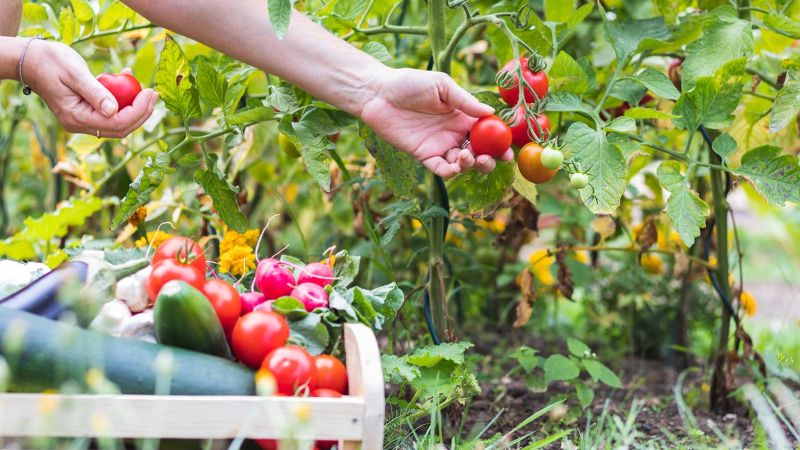
- Wet-seeded crops (tomatoes, cucumbers, squash): Wait until the fruit is fully ripe—often past the eating stage. Scoop out the seeds and separate them from the pulp.
Always choose seeds from the healthiest, most vigorous plants. This helps ensure strong, productive crops in the future.
Cleaning and Drying Seeds for Storage
Proper cleaning and drying are essential steps in preserving seeds for future planting. Here’s how to handle different types:
Dry-Seeded Vegetables
After harvesting, remove seeds from pods or heads and sift out chaff or debris. Spread the seeds in a single layer on a paper towel, screen, or plate. Place them in a cool, dry location with good air circulation for at least a week. Stir occasionally to prevent clumping and mold.
Wet-Seeded Vegetables
For crops like tomatoes and cucumbers, seeds are embedded in moist pulp. To clean them:
- Scoop seeds and pulp into a jar with a little water.
- Let the mixture ferment for 2–3 days, stirring daily. This helps break down the gel coating and kills some seed-borne diseases.
- Rinse seeds thoroughly in a fine mesh strainer until clean.
- Spread seeds out to dry as described above.
Make sure seeds are completely dry before storing. Moisture can cause mold and ruin your efforts.
Storing Seeds for Maximum Viability
Once your seeds are clean and dry, store them in airtight containers such as glass jars, paper envelopes, or small plastic bags. Label each container with the plant type and date collected. Keep your seeds in a cool, dark, and dry place—such as a cupboard or refrigerator. Properly stored seeds can remain viable for several years, depending on the variety.
To further extend the life of your seeds, consider adding a silica gel packet or a small amount of powdered milk in a paper packet to absorb excess moisture. Always check seeds for signs of mold or decay before planting.
Common Mistakes to Avoid When Saving Seeds
Even experienced gardeners can run into issues when collecting and storing seeds. Here are some pitfalls to watch out for:
- Saving seeds from hybrid plants: These often don’t grow true to type, leading to unpredictable results.
- Harvesting too early: Immature seeds may not germinate well.
- Storing seeds before they’re fully dry: This can cause mold and spoilage.
- Mixing up varieties: Always label seeds clearly to avoid confusion next season.
By following these tips, you’ll improve your success rate and enjoy a more productive garden year after year.
Integrating Seed Saving into Your Gardening Routine
Making seed saving a regular part of your gardening routine is easier than you might think. Start by selecting a few easy crops each season and gradually expand as you gain confidence. Incorporate other sustainable practices, such as using manure in gardening or learning how to make compost at home, to further boost your garden’s health and productivity.
Remember, the key to success is patience and observation. Over time, you’ll develop a keen eye for selecting the best plants and perfecting your seed-saving technique.
Frequently Asked Questions
How long can I store vegetable seeds?
Most vegetable seeds remain viable for 2–5 years if kept in a cool, dry, and dark place. Some, like beans and peas, can last even longer. Always test older seeds for germination before planting a large crop.
Can I save seeds from store-bought vegetables?
It’s possible, but not always recommended. Many store-bought vegetables are hybrids, meaning their seeds may not produce plants with the same qualities. For best results, save seeds from open-pollinated or heirloom varieties grown in your own garden.
Do I need special equipment to save seeds?
No special tools are required. Basic supplies like paper towels, jars, envelopes, and labels are sufficient. However, a soil moisture meter or raised planter bed can help you grow healthier plants for seed saving.
How do I know if my seeds are dry enough to store?
Seeds should feel hard and brittle to the touch. If you can dent a seed with your fingernail, it needs more drying time. Properly dried seeds should not stick together or feel damp.
What’s the best way to label saved seeds?
Use a permanent marker to write the plant type and collection date on each envelope or jar. This helps you keep track of seed age and variety, ensuring you plant the right seeds each season.
By following these steps and tips, you’ll be well on your way to mastering the art of seed saving. With a little practice, you can enjoy a thriving, self-sustaining vegetable garden for years to come.