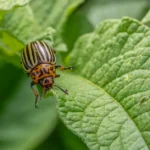
Caterpillars can quickly turn a thriving garden into a patchwork of chewed leaves and damaged stems. If you’re noticing holes in your vegetable plants or ornamental flowers, you’re likely dealing with these voracious pests. Acting swiftly and safely is crucial to protect your plants without harming beneficial insects or the environment. This guide covers practical, effective, and eco-friendly strategies for managing caterpillar infestations, so you can restore your garden’s health and beauty.
Before diving into removal methods, it’s important to understand why caterpillars appear and how they impact your plants. These larvae of moths and butterflies feed on foliage, sometimes stripping entire plants bare. While some caterpillars eventually become pollinators, unchecked populations can devastate crops and ornamentals. Fortunately, there are several ways to address this problem that balance speed, safety, and sustainability.
For those new to gardening or looking to improve their pest management skills, resources like this beginner’s guide to vegetable gardening offer valuable tips on creating a resilient garden ecosystem. Additionally, learning about how to control weeds in garden can help reduce hiding spots for caterpillars and other pests, making your garden less inviting to unwanted visitors.
Identifying Caterpillar Damage on Your Plants
Recognizing the signs of caterpillar activity is the first step toward effective control. Look for these common indicators:
- Chewed leaves with irregular holes or edges
- Droppings (frass) on leaves or soil beneath plants
- Visible caterpillars on stems, undersides of leaves, or flower buds
- Skeletonized leaves, where only the veins remain
Early detection allows for quicker intervention, minimizing the damage and improving your chances of saving affected plants.
Manual Removal: The Fastest Safe Solution
Handpicking is one of the quickest and most environmentally friendly ways to address a caterpillar infestation. Here’s how to do it effectively:
- Inspect plants in the early morning or late afternoon when caterpillars are most active.
- Wear gloves to protect your hands, especially if dealing with hairy or spiny species.
- Drop caterpillars into a bucket of soapy water to ensure they don’t return.
- Repeat daily until you no longer find new pests.
This method is especially practical for small gardens or when infestations are just beginning. It avoids the use of chemicals and preserves beneficial insects like bees and ladybugs.

Natural Methods to Control Caterpillar Infestations
If handpicking isn’t enough, consider these natural approaches to reduce caterpillar populations while keeping your garden safe:
Encourage Beneficial Insects
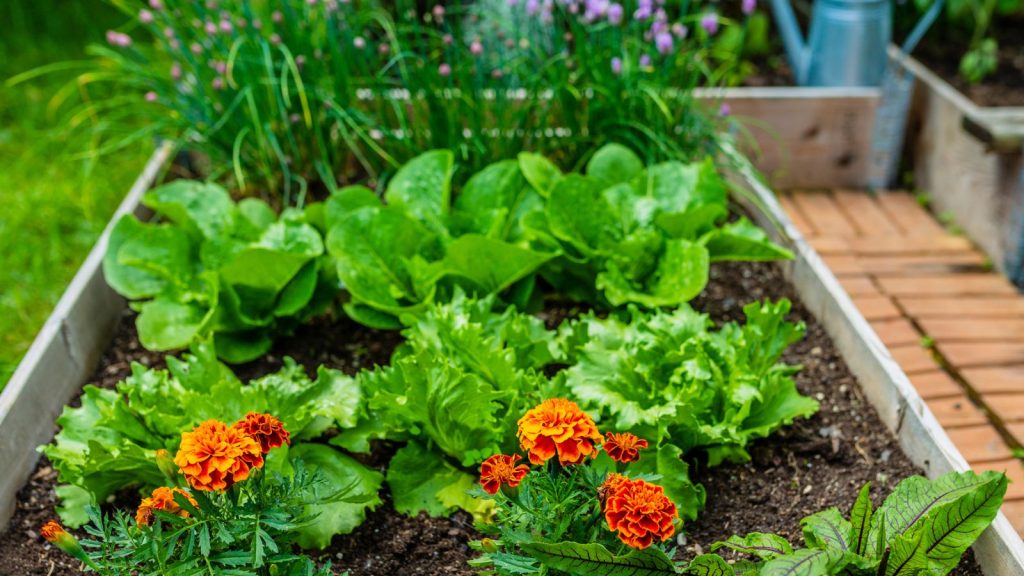
Predators like birds, ladybugs, and parasitic wasps help keep caterpillar numbers in check. Planting plants that attract beneficial insects can naturally boost your garden’s defenses. Marigolds, dill, and fennel are excellent choices for attracting these helpful allies.
Neem Oil and Insecticidal Soap
Spraying affected plants with neem oil or insecticidal soap can disrupt caterpillar feeding and growth. These products are generally safe for most beneficial insects when applied correctly. Always follow label instructions and avoid spraying during peak pollinator activity.
Bacillus thuringiensis (Bt)
Bacillus thuringiensis is a naturally occurring soil bacterium that specifically targets caterpillars. When ingested, it disrupts their digestive systems, causing them to stop feeding and die within a few days. Bt is harmless to humans, pets, and most beneficial insects, making it a popular choice for organic gardeners.
Preventing Future Caterpillar Problems
Prevention is key to long-term pest management. Here are some strategies to make your garden less attractive to caterpillars:
- Crop rotation: Change the location of susceptible plants each season to disrupt pest life cycles.
- Remove plant debris and fallen leaves to eliminate hiding spots for eggs and larvae.
- Use floating row covers to physically block moths and butterflies from laying eggs on your plants.
- Promote healthy soil and plant growth, as vigorous plants are better able to withstand some pest damage. For more tips, see these natural ways to improve plant growth.
Safe Chemical Options for Severe Infestations
In cases where natural and manual methods aren’t enough, you may need to consider chemical controls. Always opt for the least toxic options first and use them as a last resort:
- Spinosad: A naturally derived insecticide that targets caterpillars while being relatively safe for beneficial insects when used properly.
- Avoid broad-spectrum pesticides, as they can harm pollinators and disrupt your garden’s ecosystem.
- Apply chemicals in the evening when bees and other pollinators are less active.
Carefully read and follow all label instructions. Responsible use minimizes risks to people, pets, and the environment.
Supporting a Healthy Garden Ecosystem
Maintaining a balanced garden ecosystem is the best long-term defense against pests. Encourage biodiversity by planting a variety of species, providing habitats for birds and beneficial insects, and avoiding overuse of chemicals. For even bigger harvests, consider learning about how to attract pollinators to your garden and the importance of bees in gardening. Healthy, diverse gardens are naturally more resilient to pest outbreaks.
Frequently Asked Questions
What is the safest way to remove caterpillars from edible plants?
The safest approach is to handpick caterpillars and remove them from your garden. This method avoids chemicals and protects beneficial insects. For larger infestations, use organic solutions like neem oil or Bacillus thuringiensis, which are safe for most edible crops when applied as directed.
How often should I check my plants for caterpillar damage?
Inspect your plants at least every few days during the growing season, especially if you’ve had issues in the past. Early detection allows for quick action and reduces the risk of severe damage.
Can I prevent caterpillars without using pesticides?
Yes. Encouraging natural predators, rotating crops, using row covers, and maintaining healthy soil are all effective ways to reduce caterpillar problems without resorting to chemical treatments.