Keeping weeds in check is a top priority for any gardener aiming for healthy, productive beds. Unwanted plants compete with vegetables and flowers for sunlight, water, and nutrients, often stunting growth or even killing delicate seedlings. Learning how to control weeds in garden spaces is essential for a thriving landscape and less maintenance throughout the season.
Whether you’re starting a new plot or maintaining established beds, a combination of prevention and removal strategies will help you stay ahead of the weed cycle. In this guide, you’ll find practical, proven methods to minimize weed pressure, protect your crops, and save time on upkeep. For those interested in boosting plant health and soil quality, you may also want to explore natural ways to improve plant growth and soil health for a holistic approach to gardening.
Understanding Weeds and Their Impact
Weeds are simply plants growing where they aren’t wanted. They can be annuals, perennials, or even woody species. Some germinate and spread rapidly, while others persist through deep root systems. The main problems caused by weeds include:
- Competition for resources: Weeds absorb water, nutrients, and sunlight meant for your crops.
- Harboring pests and diseases: Many weeds provide shelter for insects or act as hosts for plant diseases.
- Reduced yields: Heavy weed infestations can dramatically lower vegetable and flower production.
- Increased labor: More weeds mean more time spent on maintenance and less time enjoying your garden.
By understanding the life cycle and growth habits of common weeds, you can choose the most effective control methods for your situation.
Prevention: The First Line of Defense Against Weeds
Preventing weeds from taking hold is far easier than removing them once established. Here are key strategies for minimizing weed problems before they start:
Mulching for Weed Suppression
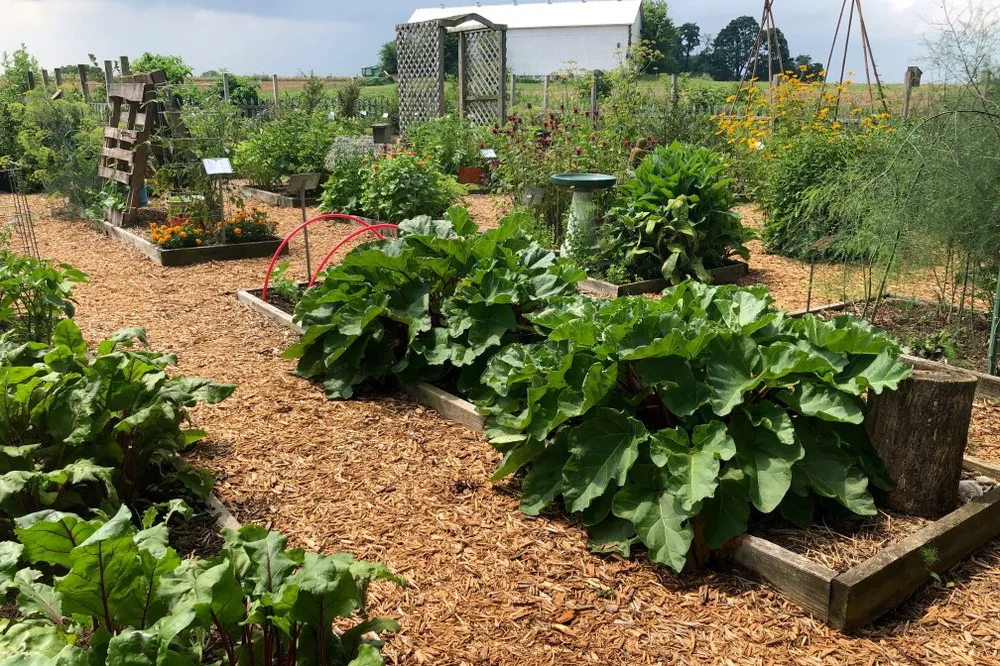
Applying a thick layer of mulch is one of the most effective ways to block weed seeds from germinating. Organic mulches like straw, shredded leaves, grass clippings, or wood chips not only suppress weeds but also enrich the soil as they decompose. For best results:
- Apply 2–4 inches of mulch around plants and between rows.
- Keep mulch a few inches away from plant stems to prevent rot.
- Replenish mulch as it breaks down over the season.
Mulching also helps retain soil moisture and regulate temperature, making it a win-win for gardeners.
Raised Beds and Dense Planting
Growing in raised beds allows for greater control over soil and weed pressure. By filling beds with weed-free soil and compost, you start with a clean slate. Dense planting—spacing crops close together—shades the soil, leaving less room for weeds to take hold. For tips on getting started, visit this guide to starting a small vegetable garden.
Barrier Methods and Landscape Fabric
Physical barriers such as landscape fabric or cardboard can be laid down before planting to block sunlight and prevent weed growth. Cut holes only where you’ll plant crops, and cover the fabric with mulch for added protection. These methods are especially useful in pathways and perennial beds.
Manual and Mechanical Weed Removal Techniques
Even with the best prevention, some weeds will inevitably appear. Timely removal is crucial to prevent them from setting seed and multiplying. Here are the most effective ways to eliminate weeds from your garden beds:
Hand Pulling and Hoeing
Hand pulling is the most precise way to remove weeds, especially when the soil is moist and roots come out easily. For larger areas, a sharp hoe can slice weeds off at the soil line. Key tips include:
- Remove weeds while they’re small and before they flower or set seed.
- Pull weeds after rain or watering for easier root removal.
- Dispose of perennial weed roots and seed heads in the trash, not the compost.
Regular, light cultivation with a hoe or hand tool can keep annual weeds from gaining a foothold.
Water Management and Soil Health
Weeds thrive in disturbed, bare, or compacted soil. Maintaining healthy, well-structured beds helps your crops outcompete unwanted plants. Water only at the base of your crops using drip irrigation or soaker hoses to avoid encouraging weed growth between rows. Monitoring soil moisture with a reliable meter ensures you’re not overwatering, which can stimulate weed seeds.

Solarization and Smothering
For persistent weed problems or preparing new beds, solarization is a powerful technique. Cover the soil with clear plastic during the hottest weeks of summer, trapping heat and killing weed seeds and roots below. Alternatively, smothering with layers of cardboard and mulch can starve weeds of light over several weeks.
Organic and Safe Chemical Options
Many gardeners prefer to avoid synthetic herbicides, especially in food gardens. Organic options include:
- Vinegar-based sprays for young, tender weeds (avoid contact with crops).
- Boiling water poured directly on weeds in paths or cracks.
- Corn gluten meal as a pre-emergent to prevent seed germination (works best in lawns).
If you choose to use any chemical controls, always follow label instructions and use them sparingly to protect pollinators and soil life. For those interested in supporting beneficial insects, see this resource on plants that attract beneficial insects to your garden.
Maintaining a Weed-Free Garden All Season
Consistency is key when it comes to weed management. Here are some ongoing habits to keep your beds tidy and productive:
- Inspect your garden weekly and remove weeds promptly.
- Top up mulch as needed to maintain coverage.
- Rotate crops and use cover crops in the off-season to disrupt weed cycles.
- Clean tools and footwear to avoid spreading weed seeds between beds.
Combining these practices with the methods above will help you maintain control and enjoy a healthier, more bountiful garden.
Frequently Asked Questions
What is the best time of year to start weed prevention?
The most effective time to begin weed prevention is early spring, before weeds have a chance to germinate. Applying mulch, setting up barriers, and preparing beds ahead of planting season will give your crops a head start and minimize weed competition.
Are there any plants that naturally suppress weeds?
Yes, some ground covers and dense crops like clover, buckwheat, and certain vining vegetables can shade out weeds and reduce open soil. Interplanting and using living mulches are great ways to keep weed pressure low while improving soil health.
How can I control weeds without using chemicals?
Manual methods such as hand pulling, hoeing, mulching, and using physical barriers are all effective ways to manage weeds organically. Solarization and smothering techniques also provide chemical-free solutions for stubborn infestations.
Conclusion
Mastering how to control weeds in garden environments is a combination of smart planning, regular maintenance, and using the right tools for the job. By focusing on prevention, timely removal, and supporting soil health, you’ll spend less time battling weeds and more time enjoying your harvest. For more tips on organic pest management, check out this guide on how to deal with aphids naturally and continue building a resilient, productive garden.