Building a productive homestead garden requires more than just planting seeds and hoping for the best. Effective planning is the backbone of a thriving, sustainable homestead. Whether you’re new to self-reliant living or looking to refine your approach, a well-structured crop plan can help you maximize yields, reduce waste, and ensure your family’s food security throughout the year. This guide explores practical strategies, essential tools, and time-tested tips to help you organize your planting schedule, select the right crops, and adapt to changing conditions.
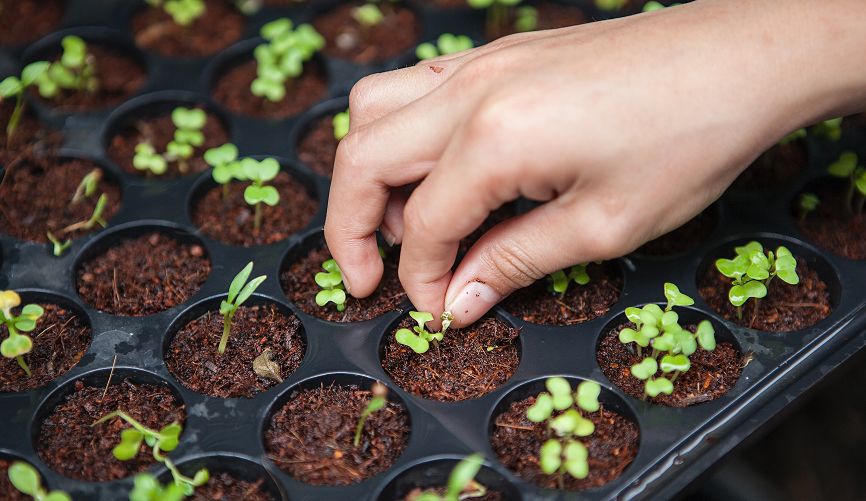
Before diving into the details of crop selection and scheduling, it’s helpful to explore related topics such as modern homesteading seed starting tips. Understanding how to start seeds indoors or in controlled environments can give your crops a strong head start, especially in regions with short growing seasons.
Why Crop Planning Matters for Modern Homesteaders
A thoughtful approach to organizing your garden space and planting schedule brings several benefits. First, it helps you avoid common pitfalls like overcrowding, poor crop rotation, and missed planting windows. Second, it allows you to align your harvests with your family’s needs, preserving and storing food efficiently. Finally, crop planning supports soil health and pest management, both of which are critical for long-term sustainability.
For those embracing a contemporary homesteading lifestyle, planning also means balancing traditional wisdom with modern tools and resources. Many homesteaders find inspiration in resources such as this overview of what defines a modern homestead, which highlights the blend of self-sufficiency and adaptability that characterizes today’s movement.
Key Steps in a Successful Crop Planning Process
Organizing your garden for the year ahead involves several important steps. Here’s how to approach the process for the best results:
- Assess Your Space: Measure your available growing area, whether it’s raised beds, in-ground plots, or containers. Note sunlight patterns, soil quality, and drainage.
- Set Your Goals: Decide what you want to grow based on your family’s preferences, preservation plans, and available time. Consider staple crops, fresh eating, and specialty plants.
- Research Planting Dates: Use your local frost dates to determine when to start seeds indoors, transplant, and direct sow. Many regions have extension services or online calculators to help.
- Plan Crop Rotation: Rotate plant families each year to prevent soil-borne diseases and nutrient depletion. For example, follow tomatoes with beans or leafy greens.
- Map Your Beds: Sketch your garden layout, assigning crops to specific locations. Account for companion planting and spacing needs.
- Schedule Succession Planting: Plan for multiple harvests by staggering plantings of fast-growing crops like lettuce, radishes, and bush beans.
Choosing the Right Crops for Your Homestead
Selecting what to grow is one of the most personal—and impactful—decisions you’ll make. Here are some factors to consider:
- Climate and Hardiness: Choose varieties suited to your USDA zone and microclimate. Heirloom and open-pollinated seeds often perform well in diverse conditions.
- Family Needs: Focus on crops your household eats regularly. If you plan to preserve food, prioritize tomatoes, beans, corn, and root vegetables.
- Storage and Preservation: Some crops store better than others. Winter squash, potatoes, onions, and garlic can last for months with proper curing.
- Soil Requirements: Match crops to your soil’s strengths. Root vegetables need loose, well-drained soil, while leafy greens can tolerate partial shade and heavier soils.
For additional inspiration on what to include, you might explore herbal garden ideas for homesteaders, which can add both culinary and medicinal value to your plot.
Tools and Resources for Efficient Planning
Modern homesteaders have access to a wide range of tools that make organizing and tracking crops easier than ever. Consider these options:
- Garden Journals: Keeping a written or digital record of planting dates, varieties, and yields helps you refine your approach each year.
- Online Planners: Many websites and apps allow you to create visual layouts, set reminders, and calculate succession planting schedules.
- Seed Catalogs: Detailed catalogs provide planting guides, variety comparisons, and regional recommendations.
- Community Networks: Local gardening groups and online forums are invaluable for sharing tips and troubleshooting challenges specific to your area.

Integrating Livestock and Perennials into Your Plan
A holistic homestead often includes more than annual vegetables. Integrating livestock and perennial crops can boost resilience and productivity:
- Livestock: Chickens, goats, and other animals provide manure for compost, help control pests, and offer additional food sources. For ideas on animal housing, see modern homesteading livestock shelter ideas.
- Perennials: Fruit trees, berry bushes, asparagus, and rhubarb require less annual labor and can anchor your landscape for years to come.
- Fencing and Infrastructure: Plan for fencing, trellises, and pathways to protect crops and manage animal movement. The modern homesteading fencing guide offers practical advice for setting up secure boundaries.
Adapting to Challenges: Weather, Pests, and Changing Needs
No plan is perfect, and flexibility is key to long-term success. Weather extremes, pest outbreaks, and shifting family needs can all impact your garden. Here’s how to stay resilient:
- Monitor and Adjust: Keep an eye on weather forecasts and be ready to protect crops with row covers or shade cloth as needed.
- Integrated Pest Management: Use crop rotation, beneficial insects, and physical barriers to minimize pest damage without relying on chemicals.
- Continuous Learning: Each season brings new lessons. Connect with other homesteaders, attend workshops, and read up on self-reliance skills for modern homesteaders to keep improving your approach.
Frequently Asked Questions
How do I determine the best planting dates for my region?
Start by identifying your local last frost date in spring and first frost date in fall. Many seed packets and online resources provide recommended sowing times based on these dates. Extension services and experienced local gardeners are also valuable sources of information.
What is the most important factor in successful crop rotation?
The key is to avoid planting crops from the same family in the same spot year after year. This practice helps prevent the buildup of soil-borne diseases and pests, and it balances nutrient use. For example, follow heavy feeders like tomatoes with nitrogen-fixing legumes.
How can I make my homestead garden more resilient to climate change?
Diversify your crops, include drought-tolerant and heat-resistant varieties, and invest in soil health through composting and mulching. Having a flexible plan allows you to adapt quickly to unexpected weather patterns.
Conclusion
A well-organized approach to growing food is essential for anyone seeking a more self-sufficient lifestyle. By assessing your space, choosing appropriate crops, and staying adaptable, you can create a productive and resilient homestead garden. Use the strategies and resources outlined here to guide your planning, and remember that each season is an opportunity to learn and grow.