Embracing modern homesteading self reliance skills is about more than just growing your own food or living off the grid. It’s a practical approach to building resilience, reducing dependence on outside systems, and creating a more sustainable lifestyle. Whether you live on a rural acreage or in a suburban neighborhood, developing these abilities can help you save money, eat healthier, and feel more prepared for life’s uncertainties.
Today’s homesteaders blend traditional wisdom with modern techniques, adapting age-old practices to fit contemporary life. From food production and preservation to natural remedies and resource management, these skills empower individuals and families to take greater control over their daily needs. If you’re looking to get started or deepen your knowledge, this guide will walk you through the essential areas to focus on.
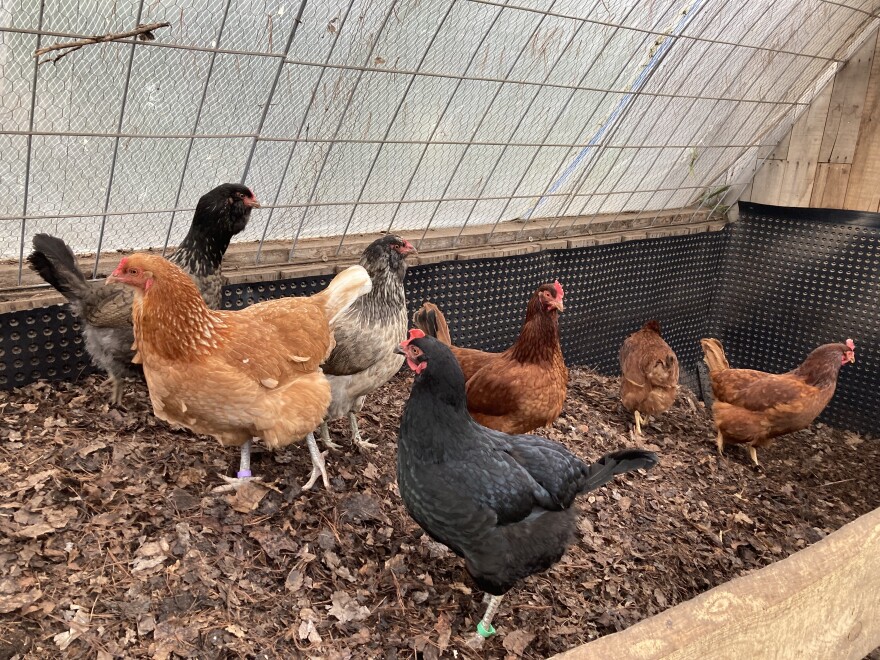
For those interested in building a secure and productive homestead, fencing is a foundational element. The modern homesteading fencing guide offers practical advice on choosing and installing barriers to protect your gardens and livestock.
Foundations of Self-Reliant Living
At the heart of homesteading is the ability to provide for yourself and your family. This doesn’t mean you have to do everything alone, but it does involve learning a range of practical skills that reduce your reliance on commercial goods and services. Some of the core areas include:
- Food production: Growing vegetables, fruits, and herbs; raising poultry or small livestock.
- Food preservation: Canning, dehydrating, fermenting, and freezing harvests for year-round use.
- Resource management: Conserving water, composting, and recycling materials.
- Basic repairs: Maintaining tools, fixing fences, and performing simple home repairs.
- Natural health: Using herbal remedies and natural solutions for common ailments.
These foundational skills not only increase your independence but also foster a deeper connection to the land and the rhythms of nature.
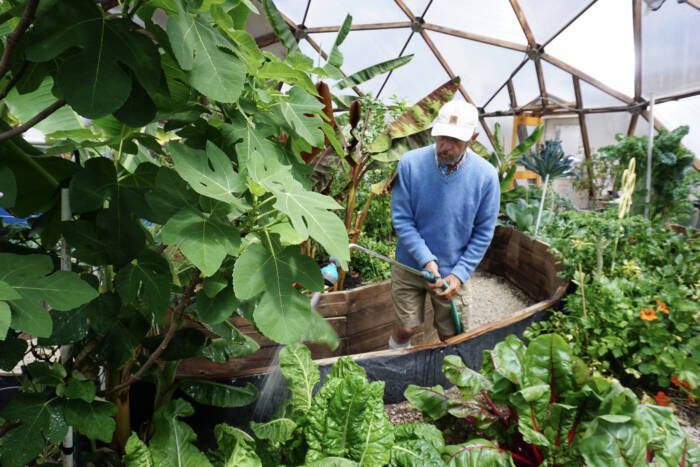
Growing Your Own Food: The Cornerstone of Homesteading
One of the most rewarding aspects of a self-sufficient lifestyle is cultivating your own food. Even a small garden can provide a steady supply of fresh produce, reduce grocery bills, and improve your diet. Key steps to get started include:
- Choosing crops suited to your climate and soil.
- Practicing crop rotation and companion planting for healthier plants.
- Building healthy soil through composting and mulching.
- Learning to start seeds indoors and transplant outdoors as needed.
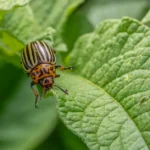
- Managing pests and diseases using organic methods.
For those interested in herbal gardening, the modern homesteading herbal garden ideas resource provides inspiration and practical tips for integrating medicinal and culinary herbs into your landscape.
Food Preservation: Extending the Harvest
Preserving what you grow is a vital aspect of modern homesteading self reliance skills. By learning to can, dehydrate, ferment, and freeze your harvest, you can enjoy homegrown food throughout the year and reduce waste. Essential preservation methods include:
- Canning: Safely storing fruits, vegetables, and sauces in jars for long-term use.
- Dehydrating: Removing moisture from foods to create shelf-stable snacks and ingredients.
- Fermenting: Harnessing beneficial bacteria to make sauerkraut, kimchi, yogurt, and more.
- Freezing: Quickly preserving produce, meats, and prepared meals for convenience.
For a deeper dive into preserving herbs and other produce, check out the modern homesteading preserving herbs guide for step-by-step instructions and creative ideas.
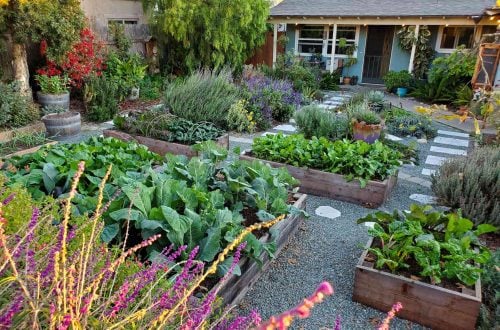
Natural Remedies and Health Solutions
Many homesteaders are rediscovering the value of natural remedies for everyday health concerns. Growing your own medicinal herbs and learning how to prepare tinctures, salves, and teas can reduce your reliance on over-the-counter products. Some commonly used herbs include:
- Calendula for soothing skin irritations
- Echinacea for immune support
- Lemon balm for calming nerves and aiding sleep
- Comfrey for minor wounds and bruises
For more information on using plants for wellness, the modern homesteading natural remedies guide is a helpful resource for beginners and experienced herbalists alike.
Resource Management and Sustainability
A key part of self-reliant living is making the most of what you have. This includes conserving water, reducing waste, and finding creative ways to reuse materials. Some strategies to consider:
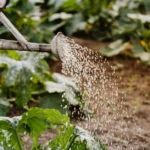
- Collecting rainwater for irrigation and household use
- Composting kitchen scraps and yard waste to build fertile soil
- Reusing containers, pallets, and other materials for DIY projects
- Implementing energy-saving practices in the home
These habits not only lower your environmental impact but also save money and increase your resilience in times of scarcity.
Building Food Independence and Security
Achieving a greater degree of food independence is a top goal for many pursuing modern homesteading self reliance skills. This goes beyond gardening to include raising chickens for eggs, keeping bees for honey, or even managing a small flock of goats for milk. Each step you take toward producing your own food increases your security and reduces your vulnerability to supply chain disruptions.
For a comprehensive look at strategies for food autonomy, the modern homesteading food independence guide covers planning, storage, and diversification tips.
Learning and Community: Growing Together
No one masters every skill overnight. The journey toward self-sufficiency is ongoing, and learning from others can make the process easier and more enjoyable. Many homesteaders join local gardening clubs, attend workshops, or participate in online forums to share knowledge and resources.
Connecting with others not only provides support but also opens up opportunities for bartering, group purchases, and collaborative projects. As you build your own skillset, consider teaching or mentoring others in your community.
For those just starting out, resources like this introduction to modern homesteading and how to get started offer valuable background and actionable steps.
FAQ
What are the most important skills for a beginner homesteader?
Beginners should focus on gardening, basic food preservation, and simple home repairs. These areas provide immediate benefits and lay the groundwork for more advanced skills. Learning how to compost, conserve water, and manage small livestock can also be valuable as you expand your homesteading journey.
Can you practice self-reliant living in an urban or suburban setting?
Absolutely. Many homesteading skills can be adapted to small spaces, such as container gardening, balcony composting, and making homemade cleaning products. Even in a city, you can grow herbs, preserve food, and reduce your reliance on store-bought goods.
How do I start learning about natural remedies safely?
Begin by researching reputable sources, such as books by experienced herbalists or trusted online guides. Start with a few easy-to-grow herbs and learn how to prepare simple teas or salves. Always consult with a healthcare professional before using new remedies, especially if you have existing health conditions or take medications.
Is it expensive to get started with homesteading?
While some initial investments may be needed for tools or seeds, many homesteading practices are designed to save money over time. Start small, use recycled materials when possible, and gradually build your skills and resources.
Developing modern homesteading self reliance skills is a rewarding path toward greater independence, sustainability, and well-being. By taking small, consistent steps and connecting with others, anyone can begin to enjoy the benefits of a more self-sufficient lifestyle.