As the colder months approach, preparing your homestead for winter becomes a top priority. Whether you’re new to self-sufficient living or have years of experience, a thorough approach to winter readiness is essential for protecting your home, livestock, gardens, and food stores. This guide offers a comprehensive look at practical steps and strategies for ensuring your property, animals, and resources are secure and productive throughout the winter season.
From insulating your home to safeguarding your gardens and livestock, each aspect of winter preparation plays a crucial role in maintaining comfort and sustainability. For those interested in adapting their property to changing climates, the modern homesteading climate adaptation tips provide additional insights into building resilience year-round.
Essential Steps for Homestead Winterization
Proper winterization is the foundation of a successful season. It’s not just about keeping warm; it’s about ensuring every element of your property is protected and ready for the challenges that cold weather brings. Here are the most important steps to take:
- Inspect and insulate buildings: Check for drafts, repair damaged siding, and add insulation to walls, attics, and crawl spaces. Weatherstripping doors and windows can significantly reduce heat loss.
- Prepare heating systems: Clean chimneys, service wood stoves, and stock up on firewood or fuel. Test smoke and carbon monoxide detectors for safety.
- Protect plumbing: Insulate exposed pipes and consider heat tape for vulnerable areas. Drain outdoor hoses and shut off exterior faucets to prevent freezing.
- Check roofing and gutters: Remove debris, repair leaks, and ensure gutters direct water away from foundations to avoid ice dams and flooding.
Safeguarding Livestock and Animal Shelters
Animals require extra care when temperatures drop. Ensuring their shelters are secure, dry, and draft-free is vital for their health and productivity. Here’s how to keep livestock comfortable and safe:
- Reinforce shelters: Patch holes, add bedding, and block drafts while maintaining ventilation to prevent moisture buildup.
- Maintain water supply: Use heated waterers or regularly break ice to ensure animals have access to fresh water at all times.
- Stock up on feed: Store extra hay and grain in dry, rodent-proof containers. Animals often need more calories to stay warm in winter.
- Monitor health: Check animals daily for signs of stress, illness, or injury. Keep emergency supplies and contact information for veterinarians handy.
Garden and Orchard Protection for Cold Weather
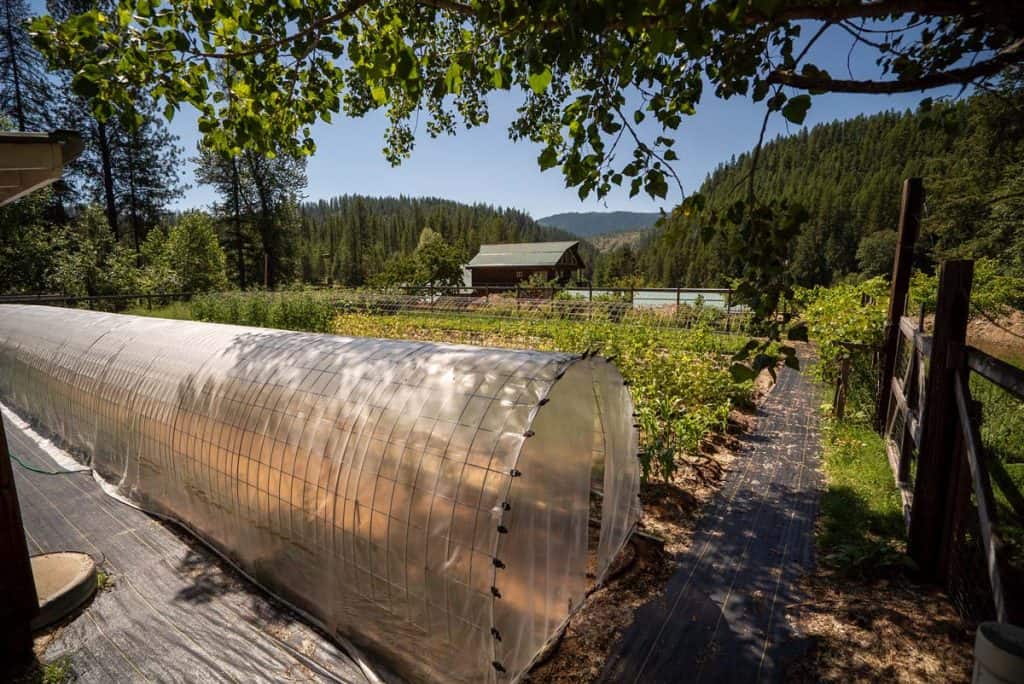
Even as growth slows, your gardens and orchards need attention to ensure a strong start in spring. Winterizing growing spaces is a key part of any modern homesteading winter preparation guide and helps preserve soil health and perennial plants.
- Mulch garden beds: Apply a thick layer of straw, leaves, or wood chips to insulate soil, suppress weeds, and protect roots from freeze-thaw cycles.
- Cover crops: Planting winter rye or clover helps prevent erosion and adds nutrients to the soil when tilled under in spring.
- Protect perennials: Wrap young trees and shrubs with burlap or tree guards to shield them from wind and animal damage.
- Clean up debris: Remove dead plants and fallen fruit to reduce pest and disease risks.
For those interested in year-round gardening, consider exploring modern homesteading herbal garden ideas for inspiration on extending your harvest and maintaining plant health through the winter.
Food Storage and Preservation Strategies
Winter is a time when your stored food becomes especially important. Proper storage and preservation techniques ensure your family has access to nutritious, homegrown food even when fresh produce is scarce.
- Inspect root cellars and pantries: Check for signs of spoilage, pests, or moisture. Rotate stock and keep an inventory of preserved goods.
- Preserve the harvest: Continue canning, dehydrating, and fermenting late-season crops. Store jars and dried goods in cool, dark places.
- Monitor temperature and humidity: Use thermometers and hygrometers to maintain optimal conditions for long-term storage.
- Plan winter meals: Organize recipes and meal plans around what you have stored to minimize waste and maximize nutrition.
Maintaining Homestead Infrastructure
Beyond the home and garden, other elements of your property need attention before winter sets in. Fencing, tools, and equipment should be checked and maintained to avoid costly repairs or emergencies during harsh weather.
- Inspect and repair fencing: Walk fence lines and fix any weak spots or damage. For more detailed advice, the modern homesteading fencing guide offers step-by-step instructions.
- Service equipment: Clean and store garden tools, sharpen blades, and drain fuel from engines that won’t be used until spring.
- Clear driveways and paths: Remove obstacles and stock up on sand or salt for icy conditions. Keep snow removal tools accessible.
- Check emergency supplies: Ensure flashlights, batteries, first aid kits, and backup heating sources are ready for use.
Adapting to Changing Conditions
Modern homesteaders know that flexibility is key. Weather patterns can shift, and unexpected events may arise. Staying informed and having a plan for adaptation can make all the difference.
- Monitor forecasts: Use reliable weather sources to anticipate storms and extreme cold.
- Stay connected: Build relationships with neighbors and local farmers for mutual support and resource sharing.
- Continue learning: Explore resources like the introduction to modern homesteading podcast for new ideas and expert advice.
Frequently Asked Questions
What are the most important areas to focus on when preparing a homestead for winter?
The top priorities include insulating your home, protecting plumbing, securing animal shelters, and ensuring adequate food and water supplies for both people and livestock. Regularly checking infrastructure, such as fencing and equipment, also helps prevent emergencies during harsh weather.
How can I protect my garden beds during the coldest months?
Applying mulch, planting cover crops, and removing plant debris are effective ways to shield soil and perennials from freezing temperatures. Using row covers or cold frames can also help extend the growing season for hardy vegetables.
What steps should I take to ensure my livestock stays healthy in winter?
Provide draft-free, well-bedded shelters, maintain a steady supply of fresh water (using heated waterers if needed), and increase feed as animals burn more calories to stay warm. Daily health checks and prompt attention to any issues are essential for animal well-being.
Conclusion
Preparing for winter is a multifaceted process that requires attention to detail and proactive planning. By following the strategies outlined in this article, you can protect your property, animals, and food stores, ensuring a safe and productive season. For more seasonal tips, you may also find value in the modern homesteading summer gardening tips as you plan ahead for the next growing cycle.