For gardeners working with limited outdoor areas, finding ways to grow more in less space is always a challenge. Small-space cold frames offer a practical solution, letting you start seeds earlier in the spring and keep crops going well into the fall or even winter. These compact structures act as mini-greenhouses, capturing warmth and protecting plants from frost, wind, and unpredictable weather.
Whether you have a balcony, a small backyard, or just a few raised beds, learning how to use cold frames can make a significant difference in your harvest. They’re especially valuable for urban homesteaders and anyone interested in maximizing productivity on a modest plot. If you’re exploring efficient ways to grow food year-round, integrating cold frames into your setup is a smart move.
If you’re interested in other ways to make the most of your homestead, consider reading the modern homesteading herbal garden ideas guide for inspiration on companion planting and creative garden layouts.
Why Use Cold Frames in Small Gardens?
The main advantage of cold frames for small spaces is their ability to create a microclimate that extends the growing season. By trapping solar heat during the day and keeping plants sheltered at night, these structures allow you to start seedlings weeks earlier than you could outdoors. They also protect tender greens and root crops from early frosts, so you can harvest later into the year.
For those with limited room, cold frames are a space-efficient alternative to full-sized greenhouses. They can be placed on patios, balconies, or even over existing garden beds. Their portability and compact design make them ideal for renters or anyone who wants flexibility in their garden layout.
Types of Compact Cold Frames
There are several styles of cold frames suitable for tight spaces. The best choice depends on your available area, budget, and gardening goals:
- Portable cold frames: Lightweight and easy to move, these are perfect for balconies or patios. Many are made from polycarbonate panels or clear plastic over a simple frame.
- DIY wooden cold frames: Built from reclaimed windows or clear acrylic, these can be customized to fit raised beds or narrow strips of soil.
- Mini hoop tunnels: While not technically cold frames, low tunnels made from hoops and plastic sheeting offer similar protection and can be adapted for small gardens.
- Stackable cold frames: Designed to fit on top of each other, these maximize vertical space and are ideal for gardeners with very limited ground area.
Choosing the Right Location for Your Cold Frame
Placement is key to getting the most benefit from your cold frame. Choose a spot that receives at least six hours of sunlight per day, ideally facing south or southeast. This ensures maximum warmth during the day and helps prevent plants from becoming leggy or weak.
If you’re working with a patio or balcony, position your cold frame against a wall that reflects heat. For raised beds, place the frame directly over the soil to take advantage of ground warmth. Avoid areas prone to heavy shade or wind, as these can reduce the effectiveness of your setup.
How to Build a Simple Cold Frame for Tight Spaces
Constructing a basic cold frame doesn’t require advanced carpentry skills. Here’s a straightforward approach for a compact version:
- Gather materials: You’ll need a sturdy base (wood, metal, or plastic), a transparent lid (old window, polycarbonate sheet, or clear plastic), and hinges if you want to open and close the lid easily.
- Assemble the frame: Build a box that’s about 12–18 inches tall, sized to fit your available space. Attach the lid with hinges at the back so you can prop it open for ventilation.
- Seal gaps: Use weatherstripping or foam to close any gaps, keeping cold drafts out and warmth in.
- Position the cold frame: Place it in your chosen sunny spot, angling the lid slightly to shed rain and maximize light.
For those who prefer ready-made options, many garden supply stores offer compact cold frames designed specifically for urban and small-space gardeners.
Best Crops for Small-Space Cold Frames
Not all vegetables thrive in the cooler temperatures of early spring or late fall, but many leafy greens and root crops do exceptionally well. Some top choices include:
- Lettuce, spinach, and arugula
- Kale, chard, and Asian greens
- Radishes and baby carrots
- Green onions and herbs like parsley or cilantro
These crops are fast-growing and can be harvested multiple times throughout the season. With the added protection of a cold frame, you can stagger plantings for a continuous supply.
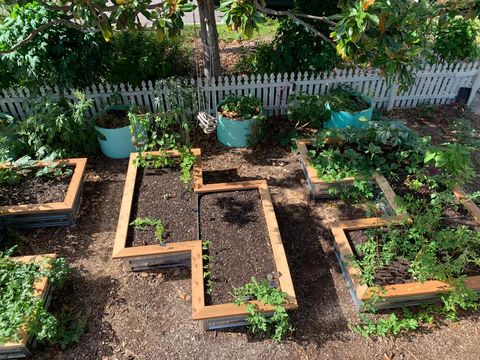
Tips for Success With Small-Space Cold Frames
- Ventilate regularly: On sunny days, temperatures inside a cold frame can rise quickly. Prop open the lid to prevent overheating and encourage healthy growth.
- Monitor moisture: Soil can dry out faster in a protected environment. Check regularly and water as needed, but avoid overwatering.
- Rotate crops: Change what you grow each season to prevent soil-borne diseases and nutrient depletion.
- Insulate in winter: For extra cold protection, add a layer of straw, bubble wrap, or old blankets over the lid at night.
By following these simple steps, even gardeners with the smallest plots can enjoy fresh produce for more months of the year.
Integrating Cold Frames Into Your Urban Homestead
Compact cold frames are just one tool for making the most of limited gardening space. They pair well with other strategies like vertical gardening, container planting, and succession sowing. If you’re looking to expand your self-sufficiency, check out resources like the modern homesteading fencing guide for tips on protecting your crops and maximizing every inch of your property.
For more ideas on sustainable living and small-scale food production, the Mother Earth News homesteading and livestock section offers a wealth of practical advice.
Frequently Asked Questions
What is the ideal size for a cold frame in a small garden?
The best size depends on your available space, but most gardeners find that a frame measuring 2 to 4 feet wide and 3 to 6 feet long fits well in compact areas. The height should be at least 12 inches to allow for plant growth and airflow.
Can I use a cold frame on a balcony or paved surface?
Yes, cold frames can be placed on balconies, patios, or any flat surface. Just be sure to use containers or raised beds inside the frame, and ensure there is adequate drainage to prevent water buildup.
How early can I start planting in a cold frame?
With a well-placed cold frame, you can often start cool-season crops 4–6 weeks before your region’s last expected frost date. The added warmth and protection help seeds germinate and young plants thrive even when outdoor temperatures are still low.