Summer brings both opportunities and challenges for those practicing modern homesteading. With longer days and abundant sunshine, gardens can thrive, but heat, pests, and water management require careful attention. Whether you’re growing vegetables, herbs, or fruit, a thoughtful approach ensures your homestead garden stays productive and resilient all season. This guide covers practical advice, from soil care to harvesting, to help you make the most of your summer gardening efforts.
For those looking to expand their homesteading skills beyond the garden, the modern homesteading herbal garden ideas article offers creative ways to integrate medicinal and culinary herbs into your landscape. Combining these approaches with the strategies below can help you create a more self-sufficient and sustainable homestead.
Preparing Your Garden for Summer Success
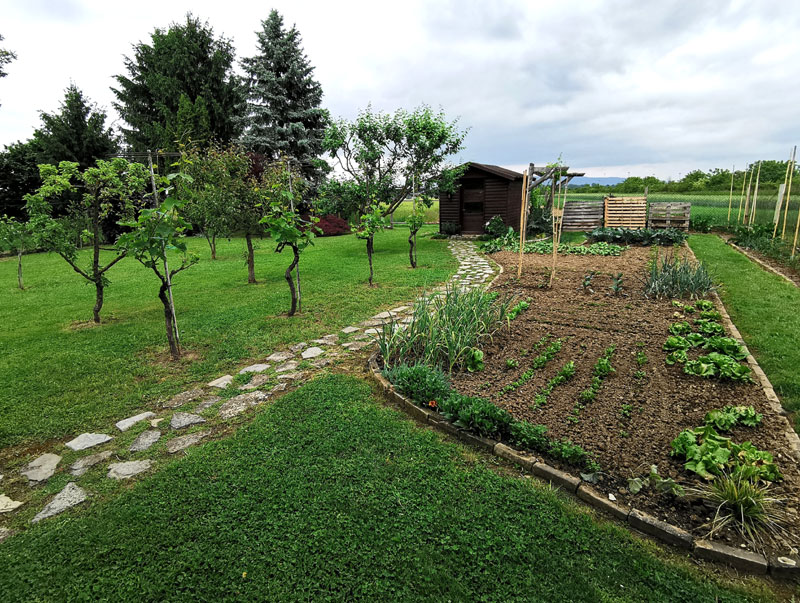
Getting your garden ready for the hottest months is essential for healthy crops. Start by assessing your soil’s condition. Amending with compost or well-rotted manure improves fertility and helps retain moisture—both critical for summer growth. Mulching is another key practice. A thick layer of straw, wood chips, or grass clippings helps regulate soil temperature and reduces evaporation, keeping roots cool and moist.
Consider rotating crops to prevent nutrient depletion and reduce pest buildup. If you’re new to crop rotation, begin with simple groupings: alternate leafy greens, fruiting plants, and root vegetables each year. This approach supports soil health and maximizes yields.
Watering Strategies for Hot Weather
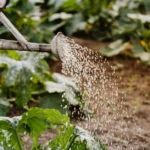
Efficient water management is a cornerstone of modern homesteading summer gardening tips. Deep, infrequent watering encourages roots to grow downward, making plants more drought-resistant. Water early in the morning or late in the evening to minimize evaporation and reduce the risk of fungal diseases.
Drip irrigation systems and soaker hoses are excellent investments for homesteaders. They deliver water directly to the soil, minimizing waste and keeping foliage dry. If you rely on rainwater collection, monitor your barrels and use stored water wisely during dry spells.
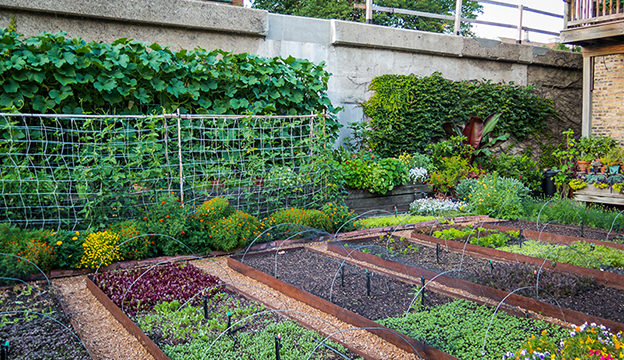
For gardens in particularly hot climates, shade cloth can protect sensitive crops like lettuce and spinach from bolting. Even a temporary structure, such as a row cover or old bedsheet, can make a difference during heatwaves.
Pest and Disease Management in Summer Gardens
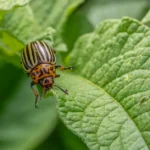
Warm weather accelerates pest activity. Stay vigilant by inspecting plants regularly for signs of damage or infestation. Hand-picking beetles and caterpillars is effective for small gardens, while row covers can prevent insect access to young plants.
Encourage beneficial insects—such as ladybugs, lacewings, and parasitic wasps—by planting flowers like calendula, dill, and yarrow nearby. These allies help keep pest populations in check naturally. For fungal diseases, ensure good air circulation by spacing plants appropriately and pruning excess foliage.
If you’re interested in adapting your homestead to changing weather patterns, the modern homesteading climate adaptation tips resource provides further insights into resilient gardening practices.
Choosing the Best Crops for Summer
Selecting heat-tolerant varieties is one of the most practical modern homesteading summer gardening tips. Tomatoes, peppers, okra, eggplant, sweet potatoes, and melons all thrive in warm conditions. For greens, try Malabar spinach or New Zealand spinach, which withstand high temperatures better than traditional lettuces.
Succession planting—sowing new seeds every few weeks—ensures a continuous harvest. This technique works well with beans, cucumbers, and summer squash. If you have limited space, vertical gardening with trellises or cages can maximize yields and improve airflow.
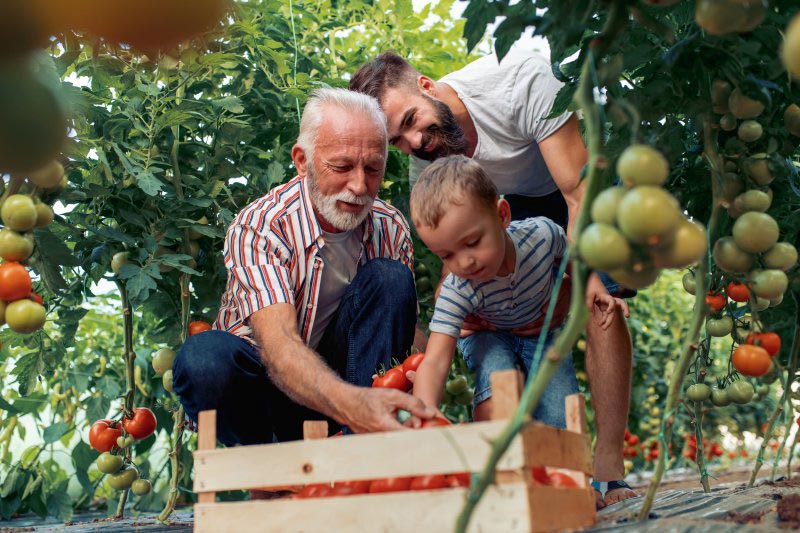
Don’t forget about herbs. Basil, oregano, thyme, and rosemary love the heat and can be harvested throughout the season. Integrating herbs with vegetables can also help deter pests and attract pollinators.
Harvesting and Preserving Your Summer Bounty
Timely harvesting is crucial for flavor and plant health. Pick vegetables like beans, cucumbers, and zucchini while they’re young and tender to encourage further production. Tomatoes and peppers should be harvested when fully colored but still firm.
Preservation methods such as canning, dehydrating, and freezing allow you to enjoy your summer harvest year-round. For beginners, start with simple recipes like tomato sauce, pickled cucumbers, or dried herbs. Label and date your preserved foods for easy rotation and use.
For more on managing your land and resources, the modern homesteading land management guide offers additional strategies for long-term sustainability.
Building Resilience: Fencing, Shade, and Infrastructure
Protecting your garden from wildlife and environmental stressors is another key aspect of summer gardening. Sturdy fencing keeps out deer, rabbits, and other animals that may be tempted by ripening crops. For guidance on selecting and installing barriers, refer to the modern homesteading fencing guide.
Consider adding shade structures, windbreaks, or even simple trellises to shield plants from harsh sun and wind. Regularly inspect irrigation systems, compost bins, and garden tools to ensure everything is functioning efficiently. These investments pay off in healthier plants and less wasted effort.
Learning from Other Homesteaders
Connecting with fellow gardeners can provide fresh ideas and encouragement. Online communities, local gardening clubs, and educational resources are valuable for troubleshooting and inspiration. For a broader perspective on self-sufficient living, the modern homesteading overview at An Off Grid Life explores the philosophy and practicalities of contemporary homesteading.
Experiment with new crops, techniques, and schedules each year. Keeping a garden journal helps track successes and challenges, making it easier to refine your approach over time.
Frequently Asked Questions
What are the most important summer gardening tips for modern homesteaders?
Key practices include mulching to conserve moisture, watering deeply but less frequently, choosing heat-tolerant crops, and monitoring for pests and diseases. Regular harvesting and proper preservation methods also help maximize your summer yields.
How can I protect my garden from extreme heat and drought?
Use mulch to keep soil cool, install drip irrigation or soaker hoses for efficient watering, and provide shade for sensitive plants during the hottest part of the day. Collecting rainwater and selecting drought-resistant varieties further increases resilience.
Which vegetables and herbs grow best in hot summer conditions?
Tomatoes, peppers, okra, eggplant, sweet potatoes, and melons are excellent choices for warm climates. Herbs like basil, oregano, thyme, and rosemary also thrive in summer heat. For greens, consider Malabar spinach or New Zealand spinach.
By applying these practical strategies, you can enjoy a thriving, productive garden throughout the summer months. With a focus on soil health, water management, and crop selection, modern homesteaders can overcome seasonal challenges and build a more sustainable future.