Adopting a modern approach to homesteading means more than just growing food or raising animals—it’s about managing your land in a way that is sustainable, productive, and resilient. Whether you are new to rural living or looking to improve your current setup, understanding the principles of effective land stewardship is essential. This modern homesteading land management guide offers practical strategies for building a thriving, self-reliant property while caring for the environment.
From soil health and water conservation to rotational grazing and natural resource planning, the right techniques can help you maximize yields, reduce waste, and create a balanced ecosystem. If you’re interested in fencing solutions, you may also want to explore the modern homesteading fencing guide for additional insights on protecting your land and livestock.

Principles of Sustainable Land Stewardship
At the heart of any successful homestead is a commitment to sustainable land management. This means making decisions that benefit both your immediate needs and the long-term health of your property. Key principles include:
- Soil Conservation: Protecting and improving soil quality through cover cropping, composting, and minimal tillage.
- Water Management: Harvesting rainwater, mulching, and designing swales to reduce runoff and erosion.
- Biodiversity: Encouraging a variety of plants and animals to create a resilient ecosystem that supports pollinators and natural pest control.
- Resource Efficiency: Using renewable energy, recycling organic matter, and minimizing external inputs whenever possible.
Applying these principles helps ensure that your land remains productive for years to come, while also reducing your environmental footprint.
Assessing Your Land’s Potential
Before making improvements, it’s important to evaluate the unique characteristics of your property. A thorough assessment will guide your decisions and help you avoid costly mistakes. Consider the following steps:
- Soil Testing: Analyze your soil’s pH, texture, and nutrient content to determine what crops or livestock will thrive.
- Topography: Map out slopes, low spots, and high ground to plan for drainage, gardens, and building sites.
- Water Sources: Identify wells, streams, ponds, and rainfall patterns to ensure adequate supply for irrigation and livestock.
- Sun and Wind Exposure: Observe how sunlight and prevailing winds affect different areas, which will influence planting and shelter placement.
Taking time to understand your land’s strengths and limitations is a critical step in any modern homesteading land management guide.
Soil Health and Improvement Strategies
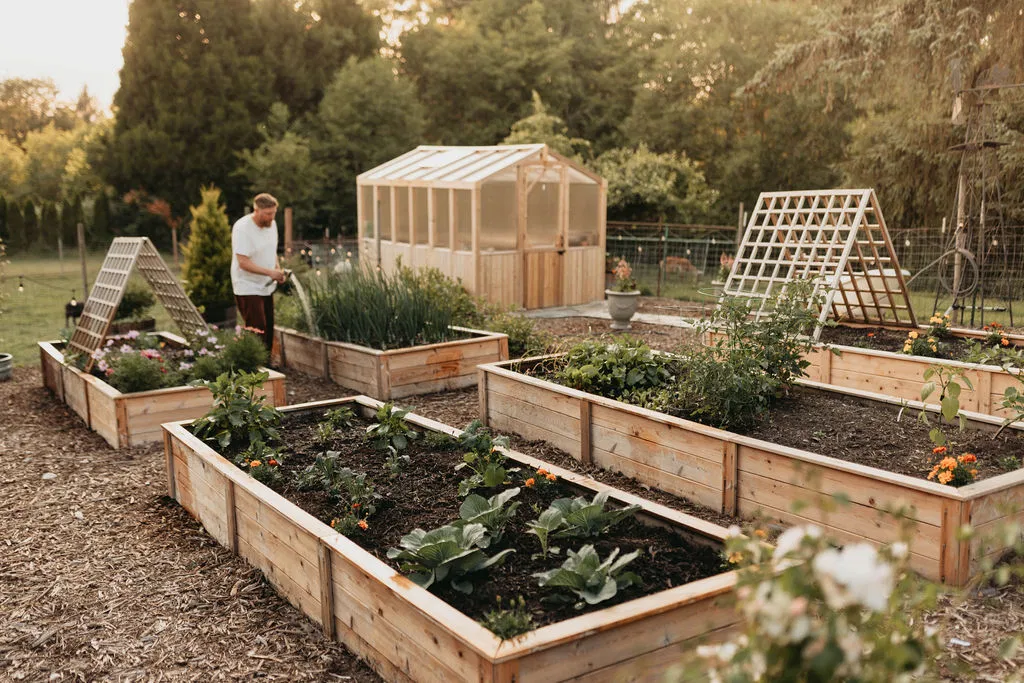
Healthy soil is the foundation of any productive homestead. To build and maintain fertile ground, focus on:
- Composting: Recycle kitchen scraps, garden waste, and animal manure to enrich your soil with organic matter.
- Cover Cropping: Planting legumes, clover, or rye during off-seasons to fix nitrogen, suppress weeds, and prevent erosion.
- Mulching: Applying straw, wood chips, or leaves to retain moisture, regulate temperature, and feed soil organisms.
- Minimal Tillage: Reducing soil disturbance preserves beneficial microbes and reduces compaction.
Regularly testing your soil and observing plant health will help you adjust your practices for optimal results.
Water Conservation and Management Techniques
Water is a precious resource, especially for those living off the grid or in drought-prone areas. Effective water management includes:
- Rainwater Harvesting: Installing gutters and storage tanks to collect and store rainwater for gardens and livestock.
- Drip Irrigation: Using targeted watering systems to minimize waste and deliver moisture directly to plant roots.
- Swales and Berms: Shaping the land to slow runoff, increase infiltration, and reduce erosion.
- Greywater Recycling: Reusing water from sinks or showers for irrigation (where permitted by local regulations).
By prioritizing water efficiency, you can ensure your homestead remains productive even during dry spells.
Integrating Livestock and Rotational Grazing
Animals can play a valuable role in your land management plan, providing food, fertilizer, and weed control. However, it’s important to avoid overgrazing and soil degradation. Consider these best practices:
- Rotational Grazing: Move animals between pastures to allow forage to recover and reduce parasite buildup.
- Multi-Species Grazing: Grazing different types of livestock together can improve pasture health and utilize a wider range of plants.
- Protecting Sensitive Areas: Fence off streams, wetlands, or erodible slopes to prevent damage from hooves and manure.
For more details on keeping animals, you might find the modern homesteading backyard dairy basics article helpful.
Planning for Biodiversity and Wildlife Habitat
Encouraging a diverse range of plants and animals supports pollination, pest control, and ecosystem balance. Strategies include:
- Planting Native Species: Choose trees, shrubs, and flowers that are adapted to your region and support local wildlife.
- Creating Shelter: Leave brush piles, standing dead trees, or install birdhouses to provide habitat for beneficial species.
- Pollinator Gardens: Designate areas for flowering plants that attract bees, butterflies, and other pollinators.
- Water Features: Small ponds or birdbaths can attract amphibians and birds, increasing biodiversity.
Balancing production with conservation is a key theme in any modern homesteading land management guide.
Resource Planning and Self-Sufficiency
Effective land management also means planning for your family’s needs and reducing reliance on outside inputs. Consider these steps:
- Garden Planning: Grow a mix of annual and perennial crops to ensure year-round harvests.
- Renewable Energy: Install solar panels, wind turbines, or micro-hydro systems to power your homestead.
- Waste Reduction: Compost, recycle, and repurpose materials to minimize trash and save money.
- Financial Planning: Track expenses and set goals for self-sufficiency. For tips, see the modern homesteading budgeting tips resource.
With careful planning, you can create a resilient homestead that meets your needs and adapts to changing circumstances.
Learning from Other Homesteaders
Connecting with experienced land stewards can provide valuable insights and inspiration. Online communities, local workshops, and educational resources are excellent places to start. For a broader overview of what homesteading involves, check out this introduction to homesteading concepts and practices.
Don’t overlook the value of learning from mistakes, either. If you’re just starting out, the modern homesteading beginner mistakes article can help you avoid common pitfalls.
Frequently Asked Questions
What is the first step in managing land for a homestead?
The initial step is to assess your property’s unique characteristics, including soil quality, water availability, topography, and climate. This information helps you make informed decisions about what to plant, where to build, and how to allocate resources.
How can I improve soil health on my property?
Focus on adding organic matter through composting, using cover crops, minimizing tillage, and regularly testing your soil. These practices build fertility, retain moisture, and support beneficial soil life.
What are some ways to conserve water on a homestead?
Install rainwater harvesting systems, use drip irrigation, mulch garden beds, and design swales or berms to slow runoff. These methods help you make the most of available water and protect your land from drought.
How do I encourage wildlife and pollinators?
Plant native species, create pollinator gardens, provide water sources, and leave some natural areas undisturbed. These actions attract beneficial insects and animals, supporting a healthy ecosystem.
Conclusion
Managing land for modern homesteading is an ongoing process that blends traditional wisdom with innovative techniques. By focusing on sustainability, resource efficiency, and biodiversity, you can create a productive and resilient homestead. Use the strategies in this guide as a foundation, and continue learning from both your successes and challenges as you build a thriving rural life.