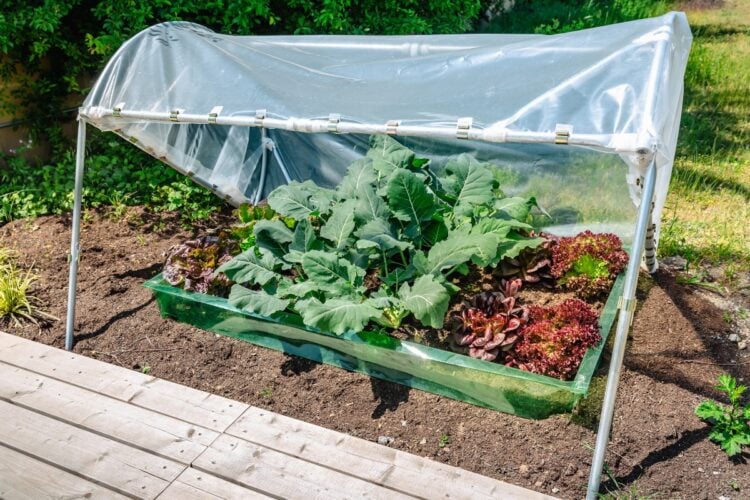
Starting a homestead in today’s world is both exciting and challenging. Many newcomers are drawn to the idea of self-sufficiency, growing their own food, and living a more sustainable lifestyle. However, as with any new venture, there are common pitfalls that can make the journey more difficult than it needs to be. Recognizing and sidestepping these modern homesteading beginner mistakes can help you build a more successful, enjoyable, and resilient homestead from the start.
Whether you’re working with a small backyard or a few acres, understanding what to avoid is just as important as knowing what to do. This article covers the most frequent errors new homesteaders make, offers practical strategies for overcoming them, and provides resources to help you thrive on your journey.
For those considering fencing options or planning their property layout, the modern homesteading fencing guide is a helpful resource to consult early in your planning process.
Overcommitting: Taking On Too Much, Too Soon
One of the most frequent modern homesteading beginner mistakes is trying to do everything at once. New homesteaders are often inspired by stories of people raising livestock, growing extensive gardens, preserving food, and making their own products. While enthusiasm is great, attempting to tackle too many projects simultaneously can quickly lead to burnout and disappointment.
- Start with one or two manageable projects, such as a small vegetable garden or a few backyard chickens.
- Gradually build your skills and expand as you gain confidence and experience.
- Set realistic goals for your first year and celebrate small wins along the way.
Poor Planning and Lack of Research
Jumping in without adequate research is another common error. Modern homesteading requires knowledge of local climate, soil conditions, zoning laws, and available resources. Skipping this step can result in wasted time, money, and effort.
- Study your region’s climate and growing seasons before planting crops or investing in animals.
- Check local regulations regarding livestock, fencing, and building structures.
- Connect with local homesteading groups or online communities for advice tailored to your area.
For more insight into how contemporary approaches differ from traditional methods, consider reading this comparison of modern and traditional homesteading.
Neglecting Tool Maintenance and Upkeep
Tools are essential for any homestead, but overlooking their care can lead to frustration and unnecessary expenses. Dull blades, rusted parts, or broken handles can slow you down and even cause injuries.
- Establish a regular schedule for cleaning, sharpening, and storing your tools properly.
- Invest in quality equipment that will last, even if it means starting with fewer items.
- Refer to practical advice like the modern homesteading tool maintenance tips to keep your gear in top shape.
Ignoring Seasonal Cycles and Nature’s Timing
Many newcomers underestimate the importance of working with the seasons. Planting too early, harvesting too late, or not preparing for winter can lead to poor yields and unnecessary stress.
- Learn the natural rhythms of your land and plan your activities accordingly.
- Keep a garden journal to track planting dates, harvests, and weather patterns.
- Explore resources like the modern homesteading seasonal living guide for help aligning your efforts with the calendar.

Overlooking Design and Infrastructure Needs
Setting up your homestead without a clear plan for layout and infrastructure can create long-term headaches. Poorly placed gardens, animal shelters, or water sources can make daily chores harder and reduce efficiency.
- Sketch a basic map of your property before building or planting anything permanent.
- Consider sun exposure, wind direction, water drainage, and access paths.
- Browse ideas from the modern homesteading homestead design ideas to inspire your setup.
Misjudging Costs and Budgeting
Underestimating the expenses involved is a frequent stumbling block. Seeds, tools, fencing, soil amendments, and animal care all add up. Without a realistic budget, it’s easy to overspend or run out of funds for essential projects.
- Track all expenses from the beginning, including small purchases.
- Prioritize investments that offer long-term value, such as quality fencing or perennial plants.
- Set aside a contingency fund for unexpected repairs or emergencies.
Neglecting Community and Support Networks
Trying to do everything alone can make the journey isolating and overwhelming. Building connections with neighbors, local farmers, or online homesteading groups provides valuable support, knowledge, and encouragement.
- Attend local workshops, farmers’ markets, or gardening clubs to meet like-minded people.
- Share resources, swap seeds, or trade labor with others in your area.
- Ask questions and learn from the experiences of those who have been homesteading longer.
Forgetting to Plan for Self-Care and Balance
Homesteading can be physically and mentally demanding. Failing to schedule downtime or neglecting personal health can lead to exhaustion and loss of motivation.
- Set aside time for rest, hobbies, and connecting with family or friends.
- Recognize your limits and ask for help when needed.
- Remember that progress takes time—celebrate the journey, not just the results.
Frequently Asked Questions
What are the most common mistakes new homesteaders make?
The most frequent errors include taking on too many projects at once, skipping research and planning, underestimating costs, and neglecting tool maintenance. Many also overlook the importance of working with seasonal cycles and building a supportive community.
How can I avoid burnout as a beginner homesteader?
Start small and focus on a few manageable projects. Set realistic goals, celebrate small achievements, and make time for rest and self-care. Building connections with other homesteaders can also provide encouragement and practical help.
Why is planning and layout so important for a new homestead?
Proper planning helps ensure that gardens, animal shelters, and infrastructure are placed for maximum efficiency and convenience. This reduces daily workload, prevents costly mistakes, and supports long-term success.