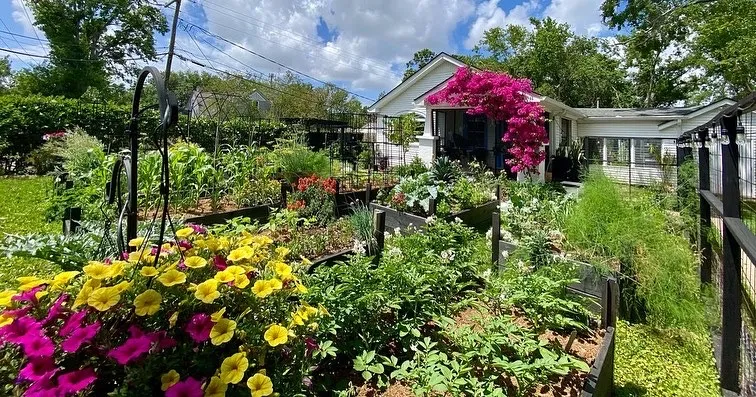
Building food independence through modern homesteading is an empowering journey that allows individuals and families to take control of their food sources, reduce reliance on external systems, and foster a more sustainable lifestyle. Whether you have a sprawling rural property or a modest suburban plot, the principles of self-sufficiency can be adapted to fit your unique situation. This guide offers practical steps, essential tips, and proven strategies to help you achieve greater autonomy in your food production and preservation efforts.
For those just starting out, it’s helpful to understand the broader context of homesteading. Resources like this comprehensive overview of homesteading practices provide valuable background on the movement and its modern adaptations. As you plan your journey, consider how fencing, climate adaptation, and seasonal gardening can further support your goals. For example, the modern homesteading fencing guide offers insights into protecting your crops and livestock, which is a crucial part of any self-reliant homestead.
Foundations of Food Self-Sufficiency
At the heart of any modern homesteading food independence guide is a commitment to growing, raising, and preserving as much of your own food as possible. This approach not only ensures a steady supply of fresh, nutrient-dense produce and protein but also builds resilience against supply chain disruptions and rising food costs.
Key elements to consider when starting your journey toward food autonomy include:
- Land assessment: Evaluate your available space, soil quality, sunlight, and water sources.
- Goal setting: Decide which foods you want to produce and how much you aim to supply for your household.
- Skill development: Learn essential gardening, animal husbandry, and preservation techniques.
- Resource planning: Invest in tools, seeds, livestock, and infrastructure that support your objectives.
As you lay the groundwork, remember that food independence is a gradual process. Start small, celebrate each milestone, and expand your efforts as your confidence and knowledge grow.
Planning and Growing a Productive Homestead Garden
One of the most effective ways to boost your food security is by cultivating a diverse and productive garden. A well-planned homestead garden can provide a significant portion of your family’s fruits and vegetables throughout the year.
To maximize your harvest, consider these strategies:
- Grow what you eat: Focus on crops your family enjoys and consumes regularly.
- Succession planting: Stagger plantings to ensure a continuous supply of fresh produce.
- Companion planting: Pair compatible crops to improve yields and reduce pest pressure.
- Soil health: Build fertile soil with compost, mulch, and organic amendments.
- Season extension: Use row covers, cold frames, or greenhouses to lengthen your growing season.
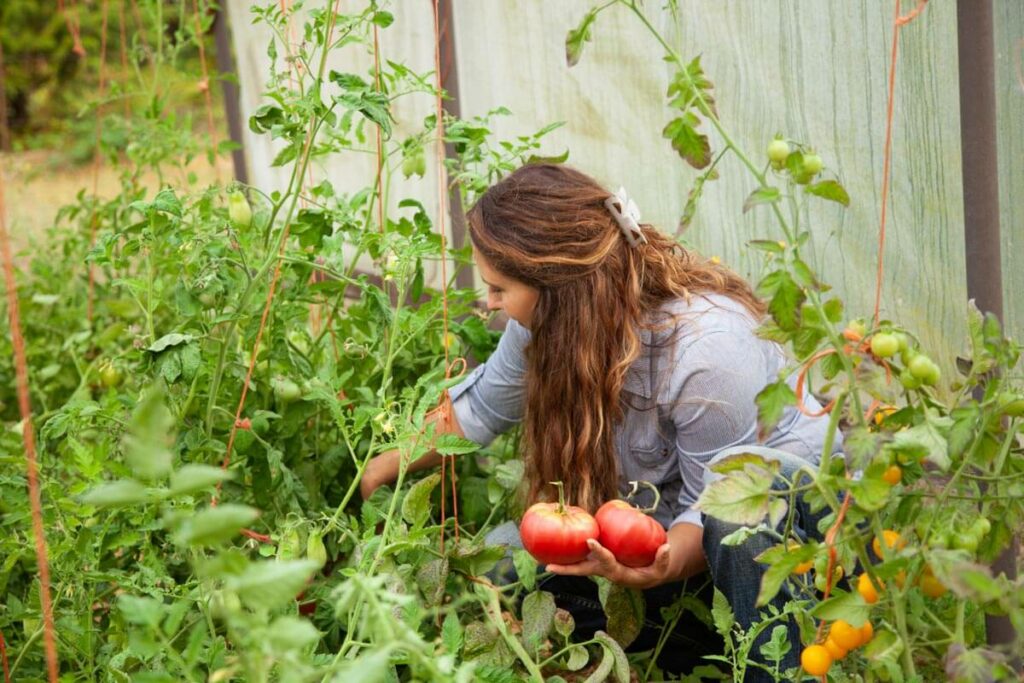
For inspiration and practical advice, explore resources like the modern homesteading summer gardening tips to help you adapt your planting schedule and techniques to your local climate.
Raising Livestock for Protein and Sustainability
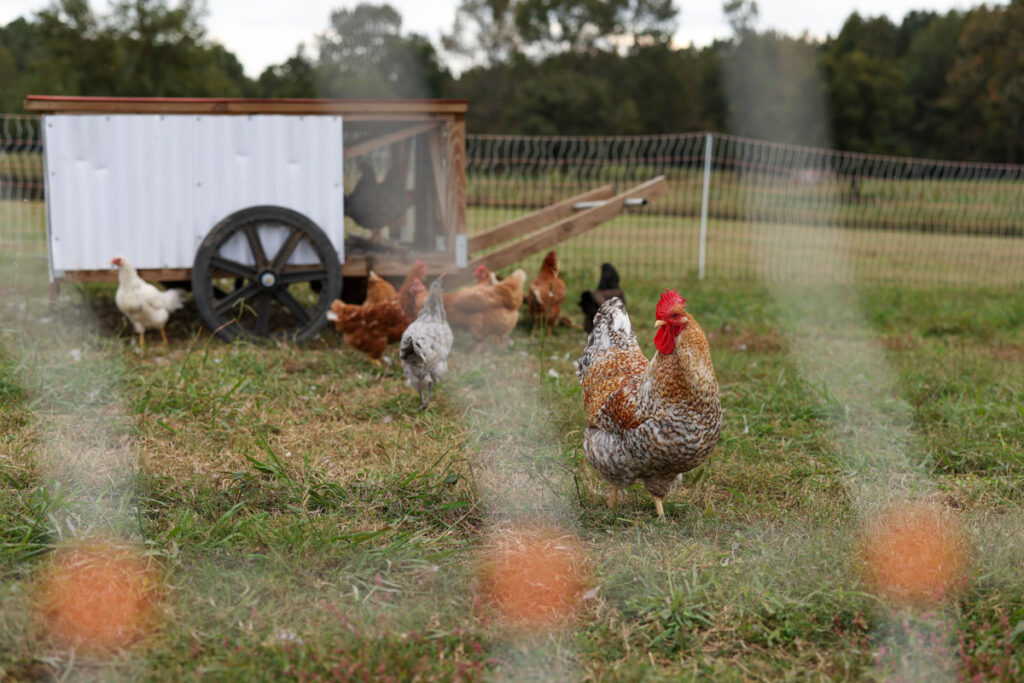
Integrating animals into your homestead is a natural next step for those seeking a more complete approach to food independence. Chickens, goats, rabbits, and even bees can all contribute to a resilient and sustainable food system at home.
Consider the following when adding livestock to your homestead:
- Chickens: Provide eggs, meat, and natural pest control. They are a popular choice for beginners.
- Goats: Offer milk, cheese, and meat, and can help manage brush and weeds.
- Rabbits: Efficient meat producers that require minimal space and feed.
- Bees: Support pollination and supply honey, beeswax, and other valuable products.
Proper fencing, shelter, and rotational grazing are essential for animal health and land stewardship. For more on protecting your animals and crops, refer to the modern homesteading fencing guide.
Preserving the Harvest for Year-Round Security
Growing and raising your own food is only half the equation. To achieve true food independence, it’s vital to master preservation techniques that allow you to store surplus for the off-season. Popular methods include:
- Canning: Safely preserves fruits, vegetables, and meats for long-term storage.
- Freezing: Maintains flavor and nutrition in many types of produce and proteins.
- Dehydrating: Reduces moisture to extend shelf life and save space.
- Fermenting: Adds beneficial probiotics and unique flavors to vegetables and dairy.
- Herb preservation: Dry or freeze herbs for use throughout the year. For more ideas, see the modern homesteading preserving herbs guide.
By diversifying your preservation methods, you can enjoy a wide range of homegrown foods regardless of the season.
Building Resilience: Adapting to Climate and Changing Conditions
As weather patterns shift and environmental challenges arise, adaptability becomes a key component of successful homesteading. Strategies for building resilience include:
- Drought-tolerant crops: Select varieties that thrive in your region’s conditions.
- Water conservation: Implement rainwater harvesting, drip irrigation, and mulching to reduce water use.
- Soil management: Practice crop rotation and cover cropping to maintain fertility.
- Microclimate creation: Use windbreaks, shade structures, and strategic planting to protect sensitive crops.
For more tips on adapting your homestead to changing weather, check out the modern homesteading climate adaptation tips.
Integrating Perennial Foods and Herbal Gardens
Perennial plants and herbs are valuable additions to any self-sufficient homestead. Once established, they require less maintenance and provide reliable harvests year after year. Consider incorporating:
- Fruit trees and berry bushes: Apples, pears, blueberries, and raspberries offer abundant yields with minimal annual effort.
- Asparagus and rhubarb: Early spring crops that return reliably each season.
- Herbal gardens: Grow culinary and medicinal herbs for flavor, health, and natural remedies. For creative ideas, visit the modern homesteading herbal garden ideas.
Integrating perennials not only increases your food security but also enhances biodiversity and soil health on your property.
Frequently Asked Questions
What is the first step to achieving food independence on a homestead?
The initial step is to assess your available resources—land, water, sunlight, and time—and set realistic goals for what you want to grow or raise. Start with a manageable garden or a small flock of chickens, and expand as your skills and confidence develop.
How much land do I need to be self-sufficient in food?
The amount of land required depends on your goals, the size of your household, and the types of food you wish to produce. Many families find that even a quarter-acre can supply a significant portion of their vegetables and eggs, while more land allows for larger livestock and greater diversity.
What are the best preservation methods for beginners?
Canning, freezing, and dehydrating are all accessible methods for those new to food preservation. Start with high-acid foods like tomatoes and fruits for water bath canning, and gradually learn pressure canning for low-acid vegetables and meats. Freezing is straightforward for most produce, while dehydrating works well for herbs, fruits, and some vegetables.