Embracing organic gardening off-grid means cultivating food and flowers using natural techniques, without relying on municipal utilities or synthetic chemicals. This approach not only supports a more sustainable lifestyle but also helps reduce your environmental footprint. Whether you’re starting from scratch or looking to refine your current setup, learning how to grow plants naturally in an off-grid environment can be both rewarding and practical.
For those new to this way of life, understanding the basics of soil health, water conservation, and renewable resources is essential. If you’re interested in expanding your self-sufficiency beyond gardening, check out our guide on growing food off-grid for more strategies on producing your own food in remote settings.
Why Choose Natural Methods for Remote Gardening?
Growing plants organically in an off-grid setting relies on working with nature rather than against it. By avoiding synthetic fertilizers and pesticides, you protect local ecosystems and create healthier soil. This approach also helps conserve resources, which is especially important when living away from traditional infrastructure.
Many off-grid gardeners find that natural growing methods lead to more resilient plants and better yields over time. By focusing on soil health, biodiversity, and closed-loop systems, you can create a thriving garden that supports itself with minimal outside input.
Essential Elements of Off-Grid Organic Gardening
To succeed with organic gardening off-grid, it’s important to understand the core components that make a natural garden flourish, even in challenging conditions.
Building Healthy Soil Without Chemicals
The foundation of any productive garden is its soil. Off-grid gardeners often rely on composting, mulching, and crop rotation to maintain fertility. Start by composting kitchen scraps, garden waste, and even animal manure if available. This not only reduces waste but also provides a steady source of nutrients for your plants.
- Use deep mulching to retain moisture and suppress weeds.
- Rotate crops each season to prevent nutrient depletion.
- Grow cover crops like clover or vetch to fix nitrogen naturally.
Water Conservation Strategies
Water is often limited in off-grid locations. Collecting rainwater, using drip irrigation, and choosing drought-tolerant plants can make a significant difference. Consider installing barrels or cisterns to capture runoff from roofs. Mulching and planting densely also help reduce evaporation.
For more tips on sustainable living, you might find this guide to off-grid living helpful, especially when it comes to managing resources efficiently.
Natural Pest and Disease Control
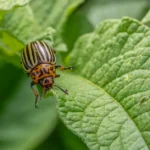
Instead of reaching for chemical solutions, off-grid gardeners use companion planting, beneficial insects, and physical barriers to manage pests. For example, planting marigolds among vegetables can deter nematodes, while introducing ladybugs helps control aphids.
- Encourage birds and frogs, which eat many common pests.
- Use row covers to protect young plants from insects.
- Rotate plant families to reduce disease buildup in soil.
Choosing the Right Plants for Off-Grid Environments
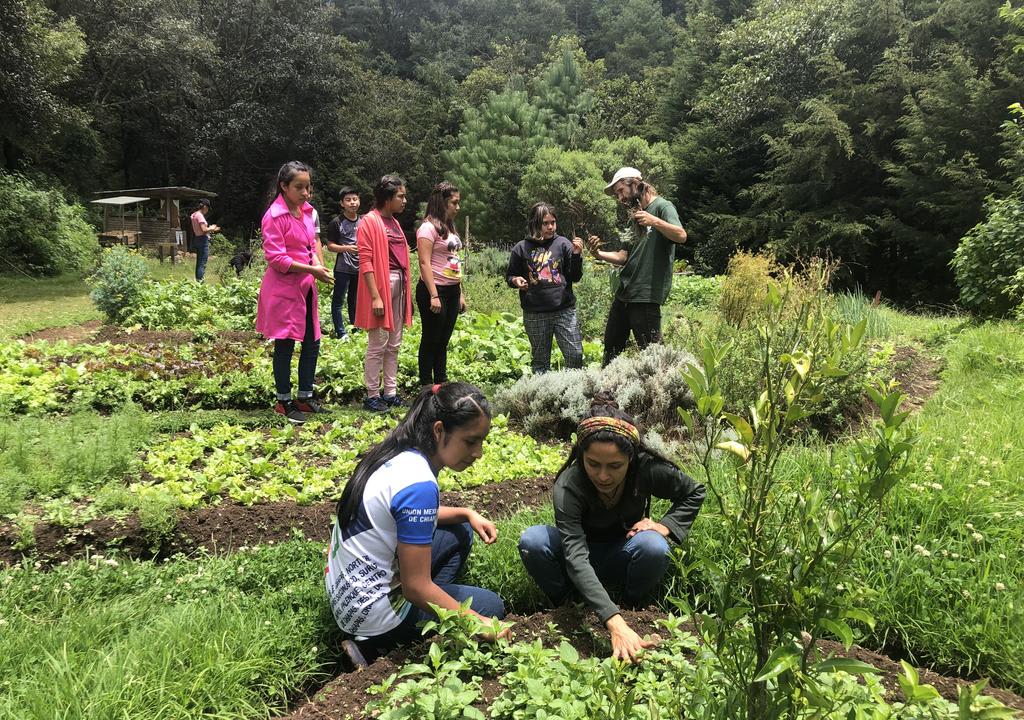
Selecting crops that thrive in your local climate and soil conditions is crucial for success. Off-grid gardens often benefit from heritage or heirloom varieties, which are typically more resilient and adapted to local challenges. Focus on staple crops like potatoes, beans, and squash, as well as perennial vegetables and herbs that require less maintenance year after year.
- Consider fruit trees and berry bushes for long-term yields.
- Grow medicinal herbs for natural remedies.
- Experiment with native plants that are already adapted to your region.
If you’re just starting out, our resource on off-grid homesteading for beginners covers plant selection and other essentials for new gardeners.
Tools and Infrastructure for Sustainable Gardening
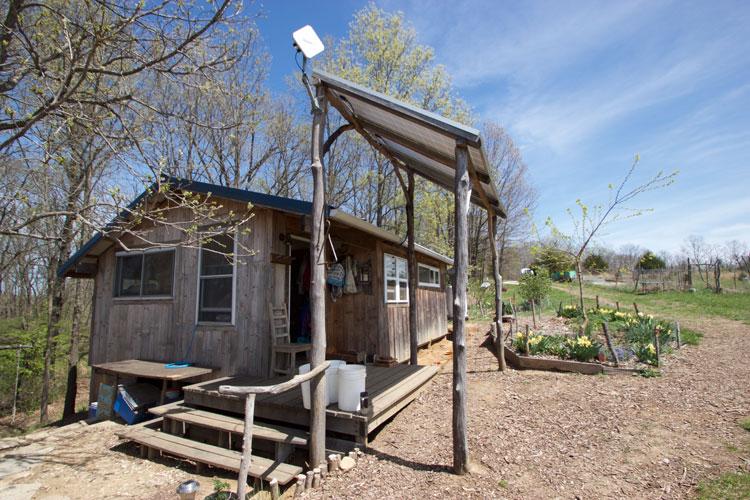
While off-grid gardening emphasizes simplicity, a few well-chosen tools and structures can make your efforts more productive. Raised beds, for example, help control soil quality and drainage, while simple greenhouses or cold frames extend your growing season. Solar-powered pumps and timers can automate irrigation without relying on the grid.
For those raising animals alongside their gardens, integrating livestock can provide manure for compost and help with pest control. Learn more about off-grid livestock care to create a balanced, self-sustaining homestead.
Tips for Success with Natural Growing Techniques
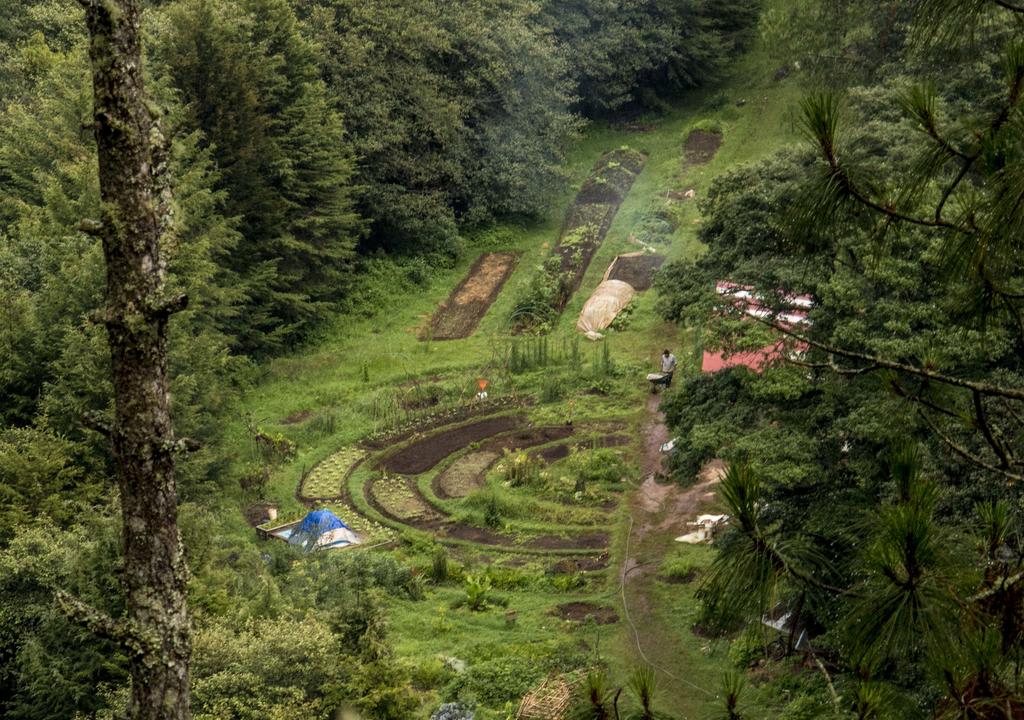
Consistency and observation are key to thriving off the grid. Keep a garden journal to track what works and what doesn’t. Pay attention to weather patterns, soil changes, and pest populations. Over time, you’ll develop a deeper understanding of your land and how to work with its unique characteristics.
- Start small and expand as you gain experience.
- Network with other off-grid gardeners for shared knowledge and seeds.
- Stay flexible—adapt your methods as conditions change.
For a comprehensive overview of what it takes to live and grow food independently, see our article on what is off-grid homesteading.
Frequently Asked Questions
What are the main benefits of organic gardening in an off-grid setting?
The biggest advantages include reduced reliance on external inputs, improved soil health, and a lower environmental impact. You also gain greater food security and the satisfaction of producing your own healthy food.
How do I manage pests naturally without chemicals?
Use a combination of companion planting, beneficial insects, and physical barriers. Encourage natural predators like birds and frogs, and rotate crops to disrupt pest life cycles.
Is it possible to grow food year-round off the grid?
With the right planning, such as using cold frames, greenhouses, and choosing hardy crops, you can extend your growing season and harvest food throughout much of the year, even in challenging climates.
How can I ensure a steady water supply for my garden?
Collect rainwater, mulch heavily to retain soil moisture, and use efficient irrigation methods like drip lines or soaker hoses. Choose drought-tolerant plants to reduce overall water needs.
For step-by-step advice on establishing your own self-sufficient homestead, visit our guide on how to start an off-grid homestead.