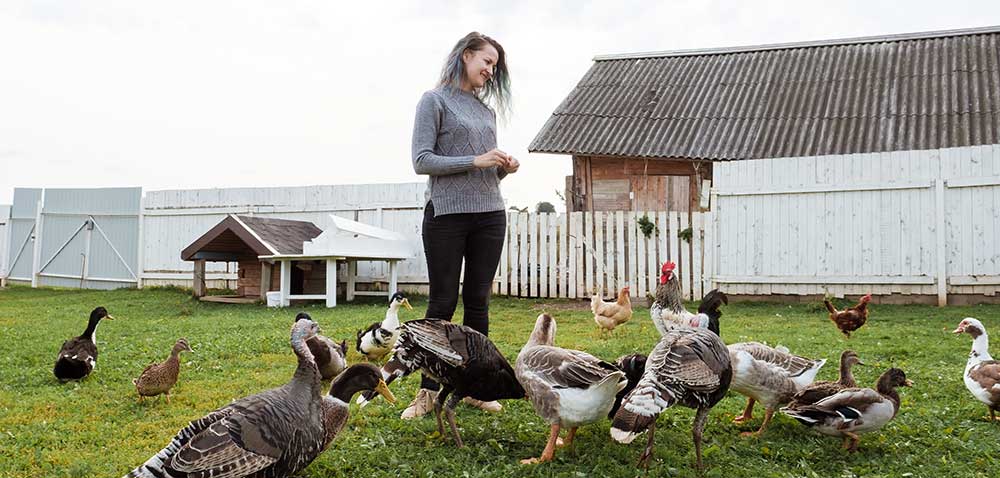
Building a life away from the grid is an exciting journey that offers independence, sustainability, and a deeper connection with nature. If you’ve been researching how to start an off-grid homestead, it may feel a little overwhelming at first. The good news is that with proper planning and a step-by-step mindset, building a self-sufficient property is completely achievable.
In this guide, we’ll walk through the key steps to help you start your own off-grid homestead—from choosing the right land to setting up food systems and renewable energy. Along the way, you’ll find practical advice and resources to make the process easier. If you’re working with limited space, you might also enjoy our guide on small-space potato towers, which shows simple ways to increase your harvest even in tight areas.
Defining Your Vision and Setting Goals
Before purchasing land or building anything, take some time to think about what you really want from your off-grid lifestyle. Some people aim for total independence, while others prefer a balance between self-sufficiency and modern conveniences.
Consider your family’s needs, your current skills, and your long-term plans. Writing down your priorities—such as growing your own food, using renewable energy, or raising livestock—can help guide your decisions as you move forward.
- Budget: Decide how much you can realistically invest and what ongoing costs you’re comfortable managing.
- Location: Choose whether you prefer remote living or being closer to a town for easier access to supplies and services.
- Scale: Think about whether you want a small homestead for personal use or a larger property that functions like a working farm.
Choosing the Right Land for Off-Grid Living
Finding the right piece of land is one of the most important decisions you’ll make. A good property should have reliable water access, healthy soil, and plenty of sunlight for both gardening and solar power.
It’s also important to check zoning rules, road access, and the local climate before committing to a purchase. Visiting the land during different seasons can give you a better understanding of how it performs throughout the year.
- Water: A natural spring, well, or year-round creek can be extremely valuable. Always verify water quality and rights.
- Soil: Rich soil will make gardening and livestock feeding much easier.
- Sun Exposure: Areas with good sunlight are ideal for solar panels and productive gardens.
- Accessibility: Remote land can be affordable, but consider how easily you can reach it during winter or emergencies.
For more detailed advice on building your property, you may want to explore this guide to off-grid homestead construction.
Essential Infrastructure: Shelter, Water, and Power
After securing your land, the next step is building the core systems that support everyday life. Focus first on shelter, then establish dependable water and energy solutions.
Building or Setting Up Shelter
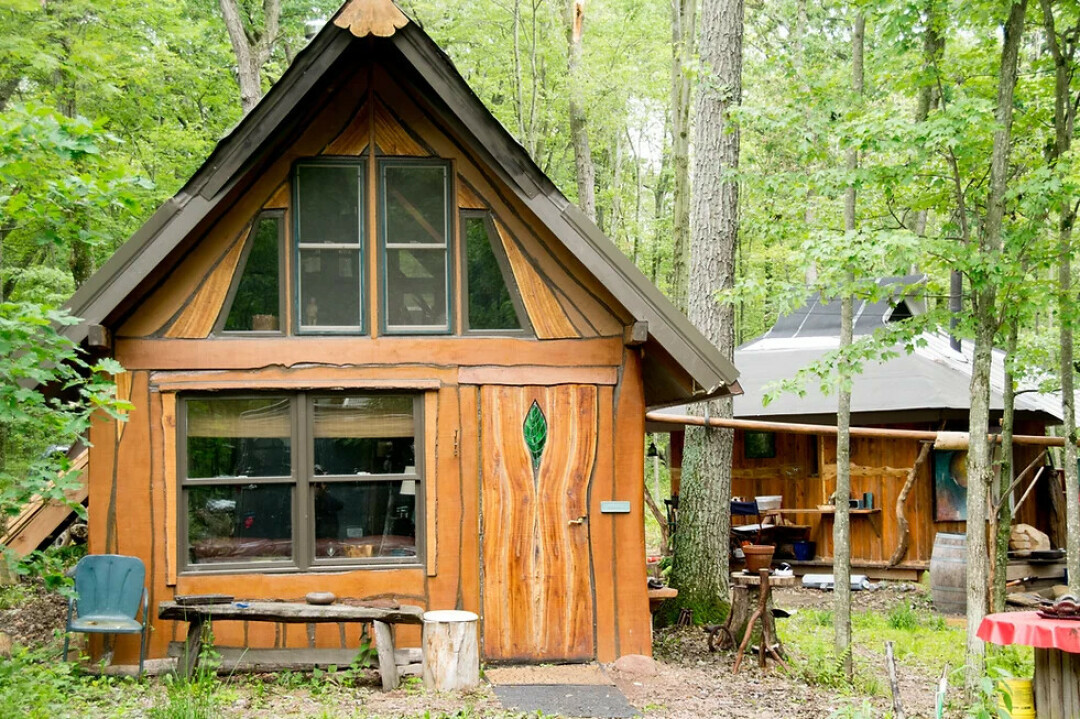
Your home should be designed to match the climate where you live. Many off-grid homesteaders choose small cabins, yurts, earthships, or converted shipping containers. Using local and sustainable materials can help reduce both costs and environmental impact.
Establishing a Reliable Water System
Water is one of the most critical resources on any homestead. Depending on your location, you may install a well, collect rainwater, or use a natural spring. Proper filtration and storage tanks will ensure you always have clean water available for drinking, cooking, and irrigation.
Setting Up Off-Grid Power
Solar energy is the most common power source for off-grid homes, but wind turbines or micro-hydro systems can also work well in certain locations. A reliable battery bank and inverter are essential for storing and using electricity efficiently. Many homesteaders also keep a backup generator for emergencies.
Food Production and Self-Sufficiency
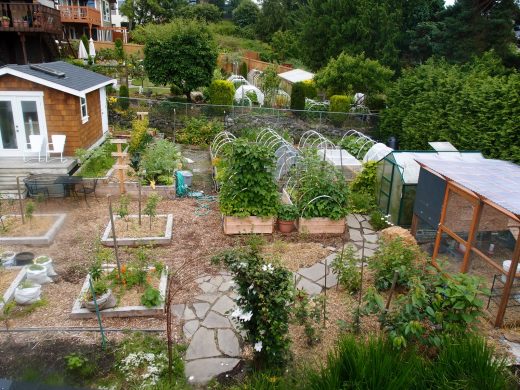
Producing your own food is one of the most rewarding parts of off-grid living. Start with a small, manageable garden and expand as you gain experience. Techniques such as raised beds, companion planting, and crop rotation can greatly improve both yields and soil health.
If you have limited space, consider learning about crop rotation in small gardens, which helps keep your soil productive even in smaller areas.
- Vegetable Gardens: Choose crops that grow well in your local climate and store well through the seasons.
- Fruit Trees: Hardy fruit varieties can provide reliable harvests for years. For small spaces, check out our guide on starting a container orchard.
- Livestock: Chickens, rabbits, or goats can supply eggs, meat, and milk. Begin with a small number and expand gradually.
- Preservation: Skills like canning, dehydrating, and root cellaring allow you to store food for the winter months.
Managing Waste and Sanitation Off the Grid
Proper sanitation is essential for both health and environmental sustainability. Many off-grid homes use composting toilets and greywater systems to manage waste responsibly. Organic waste can often be composted and returned to the garden to improve soil fertility.
Building Community and Ongoing Learning
Off-grid living doesn’t mean you have to be completely isolated. Building relationships with nearby homesteaders, farmers, and online communities can be incredibly helpful. Sharing knowledge, tools, and experiences often makes the journey easier and more enjoyable.
Continuing to learn new skills is also important. For example, our article on small-space natural pest control provides simple ways to protect your crops without relying on harsh chemicals.
Overcoming Challenges and Staying Motivated
Every homesteader experiences challenges along the way—whether it’s extreme weather, equipment issues, or crops that don’t grow as expected. The key is to stay flexible and treat each challenge as a learning opportunity.
Celebrate the small successes and keep improving your systems over time. Reaching out to experienced homesteaders or local agricultural extension offices can also provide valuable advice when problems arise.
Frequently Asked Questions
What are the first steps to take when planning an off-grid homestead?
Start by defining your goals and creating a realistic budget. Next, research land with reliable water sources and good soil. From there, develop a plan for shelter, water systems, renewable energy, and food production.
How much land do I need for self-sufficient living?
The amount of land depends on your goals and the climate where you live. Many families can produce much of their food on 1–5 acres, especially when using efficient gardening techniques.
Is it possible to live off-grid in a small space or urban area?
Yes. Even in smaller spaces, you can adopt many off-grid principles. Container gardening, vertical growing systems, and careful resource management can help reduce dependence on traditional utilities.
Conclusion
Starting an off-grid homestead is a big step, but it can also be one of the most rewarding lifestyle changes you make. With clear goals, thoughtful planning, and a willingness to learn, you can gradually build a self-sufficient and resilient home. Take it one step at a time, connect with others on the same path, and enjoy the journey toward greater independence.