Creating a thriving, resilient garden often depends on more than just healthy soil and regular watering. One of the most effective ways to support your plants naturally is by encouraging beneficial insects to take up residence. These helpful creatures—such as ladybugs, lacewings, hoverflies, and parasitic wasps—play a crucial role in pollination and pest control, reducing the need for chemical interventions. By choosing the right plants that attract beneficial insects, you can foster a balanced ecosystem that keeps harmful pests in check and boosts overall garden productivity.
Many gardeners are surprised at how quickly their gardens can transform when they intentionally add flowers and herbs that support these insect allies. Not only do these plants provide nectar, pollen, and shelter, but they also add beauty and diversity to planting beds and borders. If you’re interested in organic gardening or want to learn more about how to deal with aphids naturally, understanding the best companion plants for attracting beneficial insects is a smart place to start.
Why Encourage Beneficial Insects in Your Garden?
Attracting the right insects can make a significant difference in the health and productivity of your garden. Here are some key reasons to focus on plants that attract beneficial insects:
- Natural Pest Control: Predatory insects feed on common garden pests like aphids, mites, and caterpillars, reducing infestations without chemicals.
- Improved Pollination: Many beneficial insects, such as bees and hoverflies, are excellent pollinators, helping fruit and vegetable crops set more fruit.
- Healthier Ecosystem: A diverse insect population supports birds, amphibians, and other wildlife, leading to a more balanced and resilient environment.
- Reduced Need for Pesticides: By relying on nature’s pest control, you can minimize or eliminate the use of synthetic sprays.
For those interested in natural ways to improve plant growth, supporting beneficial insects is a foundational practice that pays off season after season.
Top Flowering Plants That Support Beneficial Insects
Choosing the right flowers is essential for drawing in helpful bugs. Many of these plants are easy to grow and can be tucked into vegetable beds, borders, or even containers. Here are some of the best options:
- Yarrow (Achillea millefolium): Its flat-topped clusters of tiny flowers are magnets for ladybugs, lacewings, and parasitic wasps.
- Sweet Alyssum (Lobularia maritima): This low-growing annual produces masses of tiny blooms that attract hoverflies and predatory wasps.
- Cosmos: With their open, daisy-like flowers, cosmos are favorites of bees, butterflies, and parasitic insects.
- Calendula (Pot Marigold): Not only do calendula flowers attract pollinators, but their sticky pollen also traps small pests.
- Dill, Fennel, and Parsley: These umbel-shaped herbs are especially attractive to hoverflies and parasitic wasps.
- Sunflowers: Their large blooms provide pollen and nectar for a wide variety of insects, including bees and beetles.
- Coreopsis and Blanket Flower: These drought-tolerant perennials offer long-lasting blooms for pollinators and predatory insects alike.
Herbs and Vegetables That Attract Helpful Bugs
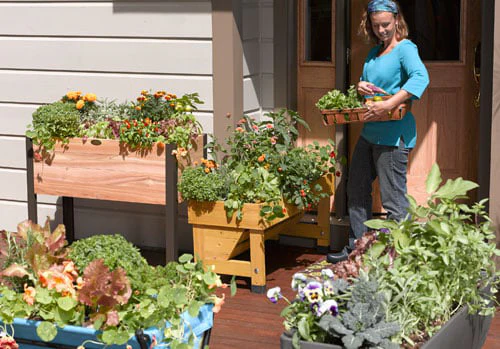
Many common culinary herbs and vegetables are also excellent for attracting beneficial insects. Interplanting these with your main crops can help create a self-sustaining pest management system:
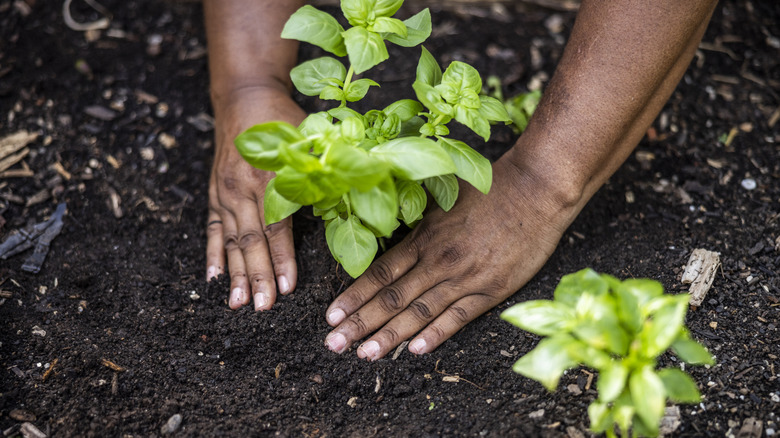
- Basil: Its small flowers are loved by bees and predatory wasps.
- Cilantro: When allowed to flower, cilantro draws in hoverflies and tiny parasitic wasps.
- Dill: Besides being a kitchen staple, dill’s flowers are irresistible to ladybugs and lacewings.
- Carrots and Parsnips: Letting a few go to seed provides umbrella-shaped blooms that attract a range of beneficial insects.
- Mustard Greens: Their bright yellow flowers are a favorite of pollinators and predatory insects.
For those starting out, check out this guide to growing organic vegetables at home for more tips on integrating these plants into your garden layout.
How to Design a Garden That Welcomes Beneficial Insects
To maximize the presence of helpful bugs, consider these practical strategies when planning your garden:
- Diversity is Key: Plant a wide variety of flowers, herbs, and vegetables that bloom at different times to provide a continuous food source.
- Choose Native Plants: Native species are often best suited to local beneficial insects and require less maintenance.
- Provide Shelter: Leave some areas undisturbed or add small piles of twigs and leaves to offer hiding spots for overwintering insects.
- Avoid Pesticides: Even organic sprays can harm non-target insects. Use them only as a last resort.
- Plant in Clusters: Grouping similar flowers together makes it easier for insects to find and utilize them.
For more inspiration on sustainable gardening, explore this comprehensive vegetable gardening resource that covers everything from soil preparation to harvest.
Maintaining a Healthy Balance in Your Garden
Once you’ve established a garden filled with plants that attract beneficial insects, ongoing care is simple but important. Here are a few maintenance tips:
- Observe Regularly: Spend time watching which insects visit your flowers and crops. This helps you identify both allies and potential pests.
- Water Wisely: Keep plants healthy with consistent watering. Using a soil moisture meter can help prevent over- or under-watering.
- Rotate Crops: Changing the location of vegetables each year helps prevent pest build-up and encourages a wider variety of insects.
- Harvest Responsibly: Leave some flowers and herbs to go to seed, providing food and habitat for insects into the fall and winter.
For those interested in preserving their harvest, guides like freezing vegetables step by step and drying vegetables for storage offer practical advice for making the most of your garden’s bounty.
Frequently Asked Questions
What are the most effective flowers for attracting beneficial insects?
Flowers with open, easily accessible blooms such as yarrow, sweet alyssum, cosmos, and calendula are especially effective. Herbs like dill and fennel also provide excellent nectar and pollen sources for predatory and pollinating insects.
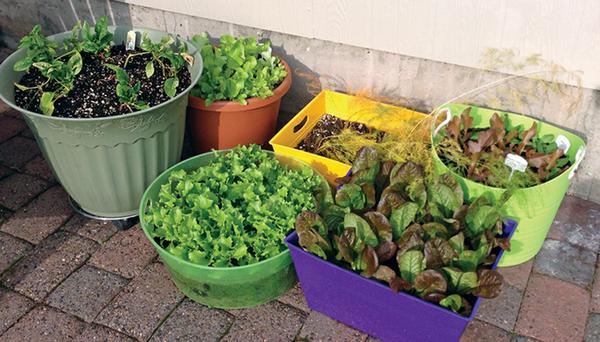
Can I attract beneficial insects in a small or container garden?
Absolutely. Even a few pots of the right flowers or herbs can make a big difference. Sweet alyssum, basil, and calendula all grow well in containers and are highly attractive to helpful bugs.
How long does it take to see results after planting for beneficial insects?
Many gardeners notice increased insect activity within a few weeks of adding suitable plants, especially during peak blooming periods. Over time, as the garden ecosystem matures, the population of beneficial insects will become more stable and effective at pest control.