Creating a self-sufficient kitchen is essential for anyone living off the grid or seeking to reduce reliance on modern utilities. An effective off-grid kitchen setup supports daily meal preparation, conserves resources, and makes use of available energy sources. Whether you’re homesteading, living in a tiny house, or simply aiming for more independence, the right approach to your kitchen can make a significant difference in comfort and efficiency.
This article covers the core components of an off-grid cooking space, from choosing the best appliances and fuel sources to organizing your workspace for maximum productivity. You’ll also find practical advice on food storage, water management, and integrating your kitchen with your garden and livestock routines. For those interested in broader self-reliance, check out these off-grid hygiene tips to round out your daily living strategies.
Core Elements of a Functional Off-Grid Cooking Space
Designing a kitchen for off-grid living means prioritizing durability, simplicity, and adaptability. The following elements are foundational to a reliable setup:
- Alternative Cooking Appliances: Wood stoves, rocket stoves, propane burners, and solar ovens are all popular choices. Each offers unique benefits depending on your climate and available resources.
- Manual Tools: Hand-crank mixers, manual grinders, and non-electric food processors ensure you can prep meals without electricity.
- Efficient Layout: Organize your workspace to minimize steps between prep, cooking, and cleaning areas. Open shelving and sturdy worktables help keep everything accessible.
- Water Access: A gravity-fed sink or hand pump is invaluable. Rainwater catchment systems can supplement your supply, especially in remote areas.
- Food Storage: Root cellars, cool pantries, and canning supplies allow you to keep ingredients fresh without refrigeration.
Choosing the Right Appliances and Fuel Sources
Selecting the best equipment for your off-grid kitchen setup depends on your location, climate, and lifestyle. Here are some options to consider:
Wood and Biomass Stoves
Wood-burning stoves are a classic choice for off-grid cooking. They provide reliable heat and can double as a heat source for your home. Rocket stoves, which use small-diameter wood and burn efficiently, are ideal for outdoor or emergency use.
Propane and Butane Cookers
Portable propane or butane stoves offer convenience and control, especially during inclement weather. Keep extra fuel safely stored, and ensure proper ventilation when using these indoors.
Solar Ovens and Dehydrators
Harnessing solar energy is a sustainable way to cook and preserve food. Solar ovens work best in sunny climates and can bake, roast, or slow-cook meals with zero emissions. Solar dehydrators are excellent for preserving fruits, vegetables, and herbs.
For more detailed advice on essential gear and supplies, refer to this comprehensive guide to off-grid living essentials.
Integrating Your Kitchen with the Garden and Homestead
A productive kitchen is closely linked to your garden and livestock routines. Growing your own produce and raising animals for eggs, milk, or meat can dramatically reduce trips to the store and increase your food security.
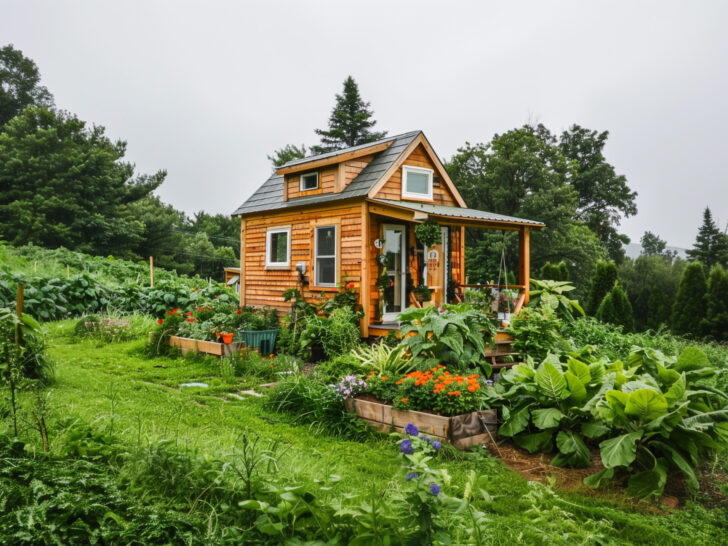
Raised beds and container gardens make it easy to grow vegetables close to your kitchen. For layout inspiration, explore these off-grid vegetable garden layout ideas. Keeping chickens or goats nearby can provide a steady supply of fresh eggs and milk, further supporting your meal prep.
Food Storage and Preservation Without Electricity
Reliable food storage is a cornerstone of any off-grid kitchen. Without a refrigerator or freezer, you’ll need to rely on traditional methods:
- Canning: Water bath and pressure canning are safe ways to preserve fruits, vegetables, and meats for months.
- Fermentation: Sauerkraut, kimchi, and pickles are not only delicious but also extend the shelf life of your harvest.
- Root Cellaring: Underground or insulated storage keeps potatoes, carrots, and other root crops fresh through the winter.
- Drying and Dehydrating: Use solar dehydrators or air-drying racks for herbs, fruits, and jerky.
For more on maximizing your harvest and food supply, see this guide on growing food off-grid.
Water Management and Sanitation in the Off-Grid Kitchen
Clean water is vital for cooking, cleaning, and drinking. Off-grid setups often rely on rainwater collection, wells, or nearby streams. Use gravity-fed or hand-pump systems to move water into your kitchen. Always filter or boil water before use to ensure safety.
For dishwashing, use biodegradable soaps and collect greywater for garden irrigation. Composting toilets or outhouses are common in off-grid homesteads and help maintain sanitation standards.
Organizing Your Workspace for Maximum Efficiency
A well-organized kitchen saves time and effort. Here are some practical tips:
- Group similar tools and ingredients together for easy access.
- Use open shelving to keep essentials visible and within reach.
- Install sturdy hooks or racks for hanging pots, pans, and utensils.
- Designate a dedicated prep area with a large, easy-to-clean surface.
- Keep a supply of firewood, fuel, or solar batteries close to your cooking station.
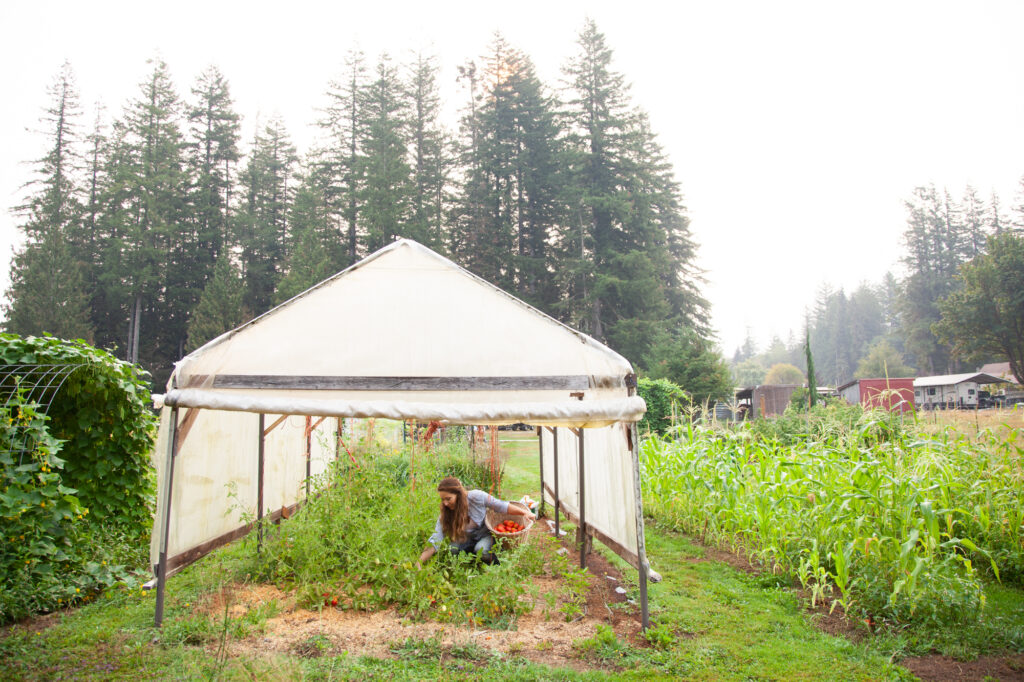
If you’re looking for more advice on gardening and food production, these off-grid gardening tips can help you grow food anywhere, even in challenging conditions.
Maintaining Your Off-Grid Kitchen for Long-Term Success
Regular maintenance and seasonal checks keep your kitchen running smoothly. Inspect stoves and fuel lines for leaks, sharpen knives and tools, and rotate stored food to prevent spoilage. Keep a checklist for cleaning, repairs, and supply restocking.
If you raise animals, integrating routines for off-grid livestock care ensures your kitchen benefits from a steady supply of fresh ingredients while supporting animal health and productivity.
Frequently Asked Questions
What are the most important tools for an off-grid kitchen?
Essential tools include a reliable stove (wood, propane, or solar), manual food prep equipment, durable cookware, water filtration devices, and food preservation supplies like canning jars and dehydrators.
How can I store food without a refrigerator?
Use root cellars, canning, fermentation, and dehydration to preserve food. Store grains, beans, and dry goods in airtight containers to keep them fresh and pest-free.
How do I manage water for cooking and cleaning?
Collect rainwater or use a well with a hand pump. Always filter or boil water before use. Reuse greywater for garden irrigation and keep cleaning supplies biodegradable to protect the environment.