Aphids are a common headache for gardeners, feeding on plant sap and spreading diseases that can weaken or even kill your favorite vegetables, flowers, and shrubs. While chemical pesticides may offer a quick fix, they can harm beneficial insects and disrupt the ecosystem of your garden. Fortunately, there are many natural ways to manage aphid infestations that are both safe and effective. This guide covers proven organic techniques, from encouraging natural predators to using homemade sprays, so you can protect your plants without resorting to harsh chemicals.
For those interested in boosting their garden’s overall health and resilience, consider exploring natural ways to improve plant growth as part of your integrated pest management strategy. A healthy garden is less likely to suffer from severe aphid problems.

Recognizing Aphid Damage and Early Signs
Before you can address an aphid outbreak, it’s important to spot the signs early. Aphids are tiny, soft-bodied insects that cluster on the undersides of leaves, stems, and buds. They come in various colors—green, black, brown, or even pink. Common symptoms of their presence include:
- Curling, yellowing, or distorted leaves
- Sticky residue (honeydew) on leaves or nearby surfaces
- Presence of ants, which are attracted to honeydew
- Stunted growth or deformed flowers and fruit
Early detection is key to controlling aphids naturally, as small populations are much easier to manage without chemicals.
Physical and Mechanical Controls for Aphids
One of the simplest organic aphid control methods is to physically remove them from your plants. Here are a few effective techniques:
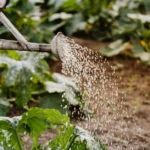
- Water Spray: Use a strong jet of water from a hose to knock aphids off leaves and stems. This disrupts their feeding and often prevents them from returning.
- Hand Removal: For small infestations, gently wipe or pick aphids off with your fingers or a soft cloth.
- Pruning: Remove heavily infested leaves or stems and dispose of them away from the garden.
These methods are best used early in the season or when aphid numbers are still low.
Encouraging Natural Predators in Your Garden
One of the most sustainable ways to control aphids organically is to attract and support their natural enemies. Beneficial insects such as ladybugs, lacewings, and hoverflies feed on aphids and can keep their populations in check. To make your garden more inviting to these helpful creatures:
- Plant a variety of flowers, especially those with small, umbrella-shaped blooms like dill, fennel, and yarrow.
- Avoid broad-spectrum insecticides, which can harm both pests and beneficial insects.
- Provide water sources and undisturbed areas for shelter.
With a thriving population of natural predators, your garden will be better equipped to handle aphid outbreaks without intervention.
Homemade Sprays and Organic Solutions
When physical removal and natural predators aren’t enough, homemade sprays can offer additional support. Here are some safe, effective options:
- Soap Spray: Mix 1–2 teaspoons of mild liquid soap (like castile soap) per quart of water. Spray directly onto aphids, making sure to coat the undersides of leaves. The soap disrupts their cell membranes, causing them to dehydrate and die.
- Neem Oil: Derived from the neem tree, this oil acts as both a repellent and a disruptor of aphid growth. Dilute according to label instructions and spray on affected plants.
- Garlic or Pepper Spray: Blend garlic or hot peppers with water, strain, and spray onto plants. These natural repellents can help deter aphids from settling.
Always test homemade sprays on a small section of your plant first to ensure there’s no sensitivity or damage.
Preventing Aphid Infestations with Organic Practices
Prevention is always easier than cure. By adopting organic gardening methods, you can make your garden less attractive to aphids and more resilient overall:
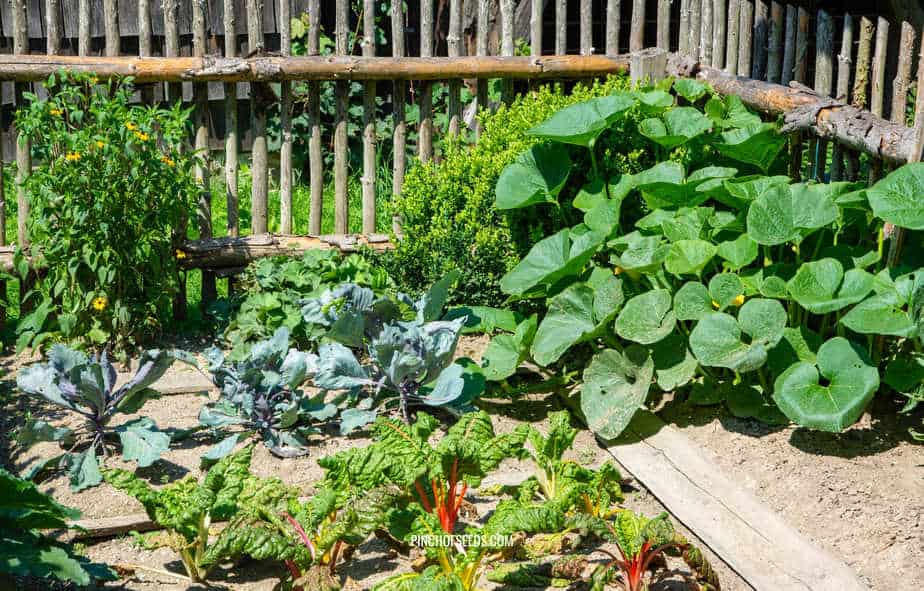
- Crop Rotation: Change the location of susceptible crops each year to disrupt pest life cycles.
- Companion Planting: Grow plants that repel aphids, such as marigolds, chives, or nasturtiums, near vulnerable crops.
- Healthy Soil: Use compost and organic matter to build strong, healthy plants that can better withstand pests. For more tips, see how to grow organic vegetables at home.
- Remove Weeds: Weeds can host aphids and other pests, so keep your beds tidy.
Regular monitoring and good garden hygiene are your best defenses against recurring infestations.
When to Take Further Action
Most aphid problems can be managed with the above methods. However, if an infestation is severe and threatens the health of your plants, you may need to repeat treatments or combine several approaches. Always prioritize options that are safe for pollinators and beneficial insects. If you’re starting a new vegetable patch, consider reading this step-by-step guide to starting a veggie garden for foundational tips that can help prevent pest issues from the start.
Frequently Asked Questions
Are homemade sprays safe for all plants?
Most homemade sprays, such as diluted soap or neem oil, are safe for a wide range of plants. However, some sensitive species may react to certain ingredients. Always test a small area first and wait 24 hours to check for any adverse effects before treating the entire plant.
How often should I apply organic sprays for aphids?
For best results, apply sprays every 5–7 days as needed, especially after rain or watering. Monitor your plants closely and repeat applications until aphids are under control. Avoid spraying during the hottest part of the day to minimize plant stress.
Can aphids harm my vegetable harvest?
Yes, aphids can stunt plant growth, deform fruits and vegetables, and spread plant viruses. Early intervention with natural aphid control methods helps protect your harvest and keeps your garden healthy throughout the season.
Conclusion
Managing aphids without chemicals is entirely possible with the right combination of physical removal, natural predators, homemade sprays, and good gardening practices. By staying vigilant and supporting your garden’s ecosystem, you can enjoy healthy, productive plants all season long. For more inspiration on sustainable gardening, check out the benefits of organic gardening and discover new ways to nurture your plants and the planet.