Organic gardening has become increasingly popular among home growers and communities seeking healthier lifestyles and a more sustainable relationship with nature. By choosing natural methods over synthetic chemicals, gardeners can nurture both their crops and the environment. The benefits of organic gardening extend far beyond the garden bed, offering advantages for personal health, local ecosystems, and even your wallet.
Whether you’re a seasoned grower or just starting out, understanding these advantages can help you make informed choices about how you grow your food. If you’re interested in making the most of your harvest, you might also want to learn how to preserve vegetables at home for year-round enjoyment.
Healthier Food for You and Your Family
One of the most compelling reasons people choose organic gardening is the ability to produce nutritious, chemical-free food. By avoiding synthetic pesticides and fertilizers, you reduce your exposure to potentially harmful residues. Many gardeners find that fruits and vegetables grown organically have richer flavors and higher nutrient content. Eating produce straight from your garden also means you’re enjoying it at peak freshness, which can further boost its health benefits.
Environmental Impact: Protecting Soil and Water
Organic gardening practices focus on building healthy soil through composting, mulching, and crop rotation. These methods help maintain soil structure, increase fertility, and encourage beneficial microorganisms. By skipping chemical fertilizers and pesticides, you also prevent harmful runoff from contaminating local waterways. This approach supports cleaner rivers and lakes, and helps protect aquatic life.
Promoting Biodiversity in Your Backyard
Gardens managed organically often become havens for pollinators, birds, and beneficial insects. By planting a variety of crops and flowers, you create a balanced ecosystem that naturally controls pests and diseases. Encouraging biodiversity not only makes your garden more resilient, but also supports declining populations of bees and butterflies, which are essential for pollination.

Reducing Your Carbon Footprint
Growing your own food organically can significantly lower your environmental impact. When you cultivate produce at home, you reduce the need for long-distance transportation, packaging, and refrigeration. Organic methods also encourage carbon sequestration in the soil, which helps combat climate change. By making small changes in your gardening habits, you contribute to a healthier planet.
Saving Money and Increasing Self-Sufficiency
While starting an organic garden may require some initial investment, it can lead to substantial savings over time. By producing your own fruits, vegetables, and herbs, you cut down on grocery bills and gain greater control over your food supply. Composting kitchen scraps and using natural fertilizers also reduces the need for store-bought products. This increased self-sufficiency is especially valuable during times of supply chain disruptions or rising food costs.
Supporting Local Wildlife and Pollinators
Organic gardens provide safe habitats for birds, insects, and other wildlife. By avoiding toxic chemicals, you help protect these creatures and encourage a balanced ecosystem. Planting native species and providing water sources can further enhance your garden’s appeal to pollinators and beneficial animals. This not only benefits your crops, but also supports the broader environment.
Improving Soil Health Naturally
Healthy soil is the foundation of any successful garden. Organic practices such as adding compost, rotating crops, and using cover crops build soil fertility and structure over time. These methods increase the soil’s ability to retain water and nutrients, making your plants more resilient to drought and disease. Healthy soil also stores more carbon, contributing to climate mitigation efforts.
Reducing Exposure to Harmful Chemicals
By choosing organic methods, you eliminate the use of synthetic pesticides and herbicides in your garden. This not only protects your own health, but also safeguards pets, children, and wildlife that may visit your yard. Many people find peace of mind knowing their food is grown without potentially hazardous substances.
Encouraging Community and Education
Organic gardening often brings people together, whether through community gardens, seed swaps, or educational workshops. Sharing knowledge and resources helps build stronger, more resilient neighborhoods. If you’re just starting out, you might find inspiration from guides on easy crops for beginners and how to grow them. Teaching children about natural gardening methods can also foster lifelong respect for the environment.
Enhancing Food Security and Shelf Life
Growing your own produce gives you greater control over your food supply and reduces reliance on external sources. With proper harvesting and storage techniques, you can enjoy your garden’s bounty throughout the year. For tips on keeping your harvest fresh, explore advice on how to extend vegetable shelf life and how to store fresh vegetables after harvest for longevity.
Personal Satisfaction and Wellbeing
Many gardeners find that working with nature brings a sense of accomplishment and peace. Tending to plants, observing wildlife, and harvesting your own food can reduce stress and improve mental health. The physical activity involved in gardening also promotes fitness and overall wellbeing. These personal rewards are just as valuable as the tangible benefits of organic gardening.
Frequently Asked Questions
What are the main differences between organic and conventional gardening?
Organic gardening avoids synthetic chemicals and emphasizes natural soil health, biodiversity, and sustainable practices. Conventional gardening often relies on chemical fertilizers and pesticides for faster growth and pest control. Organic methods focus on long-term ecosystem health and food safety.
Is it more expensive to start an organic garden?
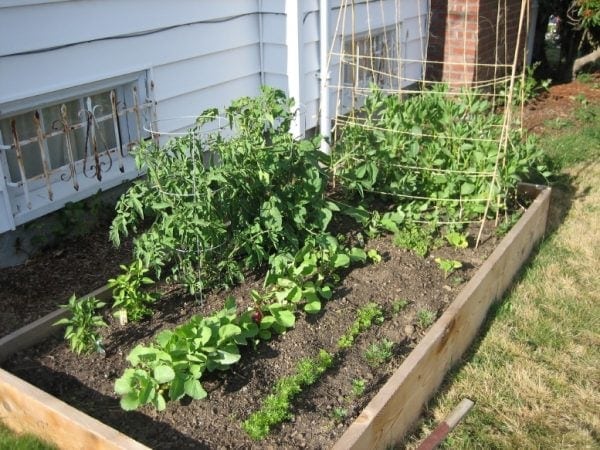
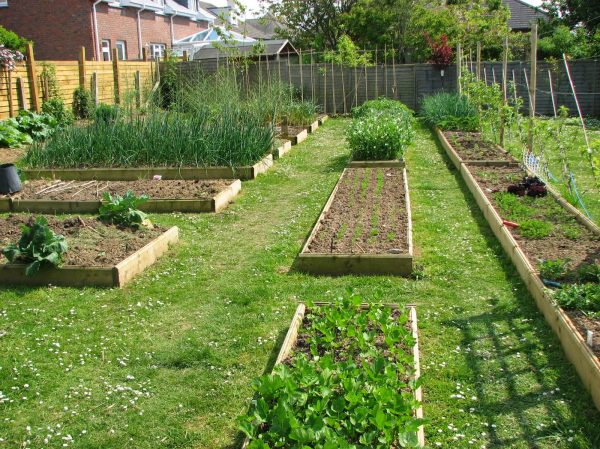
Initial costs can be similar to or slightly higher than conventional gardening, especially if you invest in quality soil, compost, or raised beds. However, over time, organic gardening can save money by reducing the need for chemical inputs and allowing you to recycle resources like kitchen scraps for compost.
Can organic gardening work in small spaces or containers?
Absolutely. Many organic techniques are well-suited to small gardens, balconies, or even indoor containers. Choosing the right crops and using compost or organic potting mixes can help you grow healthy food in limited spaces.