Living off the grid means managing every resource carefully, and water conservation off-grid is one of the most critical challenges for homesteaders and anyone seeking a sustainable lifestyle. Without access to municipal supplies, every drop counts—whether you’re collecting rainwater, pumping from a well, or hauling it in. Adopting smart strategies not only helps you stretch your water supply but also ensures your land, garden, and animals thrive, even during dry spells.
This article explores practical and effective methods for reducing water use, maximizing storage, and keeping your off-grid home resilient. If you’re new to self-sufficient living or looking to refine your setup, these tips will help you build a more sustainable and efficient homestead. For those also interested in securing your property, the modern homesteading fencing guide offers valuable insights on creating safe and functional boundaries.
Why Water Management Matters Off the Grid
Off-grid living often means you’re responsible for sourcing, storing, and purifying your own water. Droughts, seasonal changes, and unpredictable weather can make water supplies unreliable. Efficient use and storage are essential for drinking, cooking, cleaning, gardening, and caring for livestock. By focusing on off-grid water conservation techniques, you can reduce risk, cut costs, and support a healthier environment.
Collecting and Storing Water Efficiently
The first step in any off-grid setup is ensuring you have enough water on hand. Here are some proven methods to maximize your collection and storage:
- Rainwater Harvesting: Install gutters and downspouts on all outbuildings and your home. Direct water into large, food-grade barrels or cisterns. Consider first-flush diverters to keep debris out of your storage tanks.
- Storage Solutions: Use covered tanks or underground cisterns to reduce evaporation and prevent algae growth. Regularly inspect and clean tanks to maintain water quality.
- Greywater Reuse: Safely divert water from sinks, showers, and washing machines to irrigate non-edible plants or trees. Use biodegradable soaps to avoid contaminating your soil.
- Wells and Springs: If you have a well or spring, install low-flow pumps and monitor usage. Protect your source from contamination by maintaining a buffer zone free of chemicals or livestock.
Smart Water Use in the Garden and Homestead
The garden is often the biggest consumer of water on any off-grid property. Applying water-saving techniques can make a substantial difference:
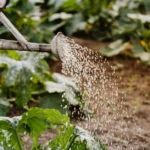
- Drip Irrigation: Deliver water directly to plant roots with drip lines or soaker hoses. This minimizes evaporation and ensures efficient watering.
- Mulching: Apply a thick layer of organic mulch (like straw, wood chips, or leaves) around plants to retain soil moisture and suppress weeds.
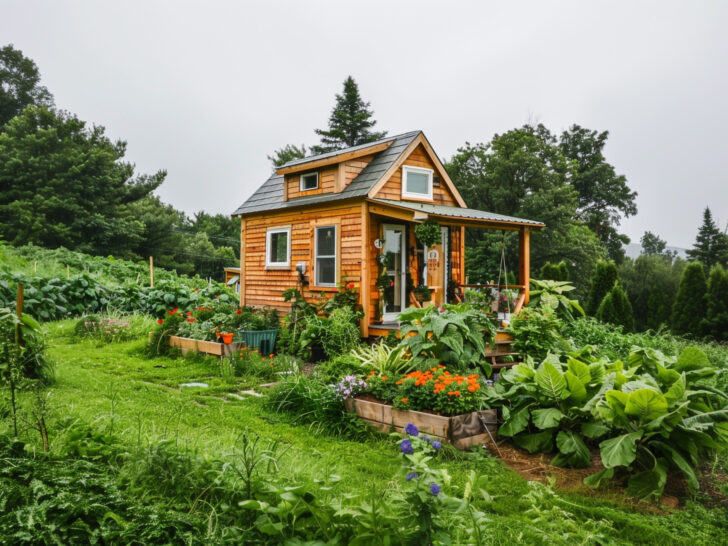
- Raised Beds: Raised beds with quality soil drain better and allow for targeted watering. They also make it easier to manage water use and prevent runoff. For those considering this approach, a raised garden bed can be a practical investment.
- Watering Timing: Water early in the morning or late in the evening to reduce loss from evaporation.
- Companion Planting: Group plants with similar water needs together, and use shade from taller crops to protect more sensitive varieties.
Reducing Household Water Consumption
Inside the home, simple habits and upgrades can dramatically cut water use:
- Low-Flow Fixtures: Install low-flow showerheads, faucets, and dual-flush toilets to reduce daily consumption.
- Efficient Appliances: Choose washing machines and dishwashers with high efficiency ratings, and only run full loads.
- Reuse and Recycle: Collect water from rinsing produce or waiting for hot water to arrive, and use it for plants or cleaning.
- Leak Checks: Regularly inspect pipes, hoses, and fixtures for leaks, which can waste hundreds of gallons over time.
Water Conservation for Livestock and Poultry
Animals need a steady supply of clean water, but there are ways to reduce waste:
- Automatic Waterers: Use float valves or nipple waterers to provide water on demand and prevent spillage.
- Shaded Troughs: Place water containers in shaded areas to minimize evaporation and keep water cooler.
- Rain Collection for Animals: Set up small rain barrels near coops or barns for easy animal watering.
- Smart Coop Upgrades: Consider investing in automated coop solutions that help manage water and feed efficiently.
Long-Term Strategies for Sustainable Water Use
Building a resilient off-grid water system means thinking beyond daily habits. Consider these long-term approaches:
- Permaculture Design: Shape your landscape to slow, spread, and sink water. Swales, berms, and ponds can capture runoff and recharge groundwater.
- Drought-Resistant Plants: Choose native or drought-tolerant species for landscaping and food production to reduce irrigation needs.
- Soil Improvement: Increase organic matter in your soil to boost its water-holding capacity and resilience during dry periods.
- Community Sharing: Coordinate with neighbors to share resources, knowledge, and even water during emergencies.
Tools and Resources for Off-Grid Water Efficiency
Technology and planning can make a big difference in your water-saving efforts. For a comprehensive overview of off-grid essentials, the off-grid living essentials guide provides detailed information on water systems, energy, and more.
Additionally, exploring topics like modern homesteading herbal garden ideas can help you select plants that thrive with less water, while modern homesteading backyard dairy basics offers tips for managing livestock water needs efficiently.
Frequently Asked Questions
How much water does an off-grid household need daily?
The amount varies based on household size, climate, and lifestyle. On average, plan for at least 5–10 gallons per person per day for drinking, cooking, and basic hygiene. Additional water will be needed for gardening and livestock.
What is the safest way to store water off the grid?
Use food-grade containers, keep them covered, and store them in a cool, shaded location. Regularly clean tanks and test water quality, especially if using rainwater or surface sources.
Can greywater be used for food crops?
It’s generally safest to use greywater for ornamental plants, trees, or landscaping. If you plan to irrigate food crops, use only water from sinks or showers (not toilets or kitchen sinks) and ensure you use biodegradable, non-toxic soaps.
What are the best plants for low-water gardens?
Native species, Mediterranean herbs (like rosemary and thyme), succulents, and drought-tolerant vegetables (such as beans and squash) are excellent choices for conserving water in your garden.
By adopting these strategies for water conservation off-grid, you can make your homestead more resilient, sustainable, and prepared for any challenge. Whether you’re just starting out or refining your setup, every improvement helps secure your water future and supports a thriving, independent lifestyle.