Boosting your garden’s productivity often comes down to one essential factor: pollinators. Bees, butterflies, hummingbirds, and other helpful creatures are responsible for fertilizing flowers, which leads to more abundant fruits and vegetables. If you’re looking to increase your harvest, understanding how to attract pollinators to your garden is a game-changer. This article covers practical strategies, plant choices, and garden design tips to help you create a thriving, pollinator-friendly space.
Along the way, you’ll find helpful resources, including a guide on plants that attract beneficial insects, to further support your gardening journey.
Why Pollinators Matter for Productive Gardens
Pollinators are the backbone of a healthy ecosystem. They transfer pollen from one flower to another, enabling plants to produce seeds, fruits, and vegetables. Without their help, many crops would yield poorly or not at all. In fact, over 75% of leading global food crops depend, at least in part, on animal pollination. For home gardeners, this means that attracting these beneficial visitors can directly impact the size and quality of your harvest.
Common pollinators include:
- Bees (honeybees, bumblebees, solitary bees)
- Butterflies and moths
- Hummingbirds
- Beetles and flies
Each type of pollinator has its own preferences for flowers, nesting sites, and habitat, so a diverse approach is key.
Choosing Plants That Welcome Pollinators
One of the most effective ways to support pollinators is by planting a variety of flowers that provide nectar and pollen throughout the growing season. When considering how to attract pollinators to your garden, focus on diversity and native species whenever possible.
- Native wildflowers are often best suited for local pollinators and require less maintenance.
- Include a mix of flower shapes, sizes, and colors to appeal to different species.
- Choose plants that bloom at different times, ensuring a continuous food source from early spring to late fall.
Some excellent choices for attracting bees and butterflies include coneflowers, bee balm, lavender, sunflowers, and zinnias. For hummingbirds, try planting salvia, trumpet vine, and columbine. If you want more ideas, check out this resource on natural ways to improve plant growth for additional plant suggestions.
Garden Design Tips for Pollinator Success
Beyond plant selection, the way you design and maintain your garden can make a big difference in attracting and supporting pollinators. Here are some practical strategies:
- Group similar flowers together in clusters of at least three to five plants. This makes it easier for pollinators to locate and feed efficiently.
- Provide shelter by including shrubs, tall grasses, or small brush piles. These offer protection from wind and predators.
- Leave some bare ground for ground-nesting bees, which make up a significant portion of native bee species.
- Add a water source such as a shallow dish with pebbles or a birdbath. Pollinators need water, especially during hot weather.
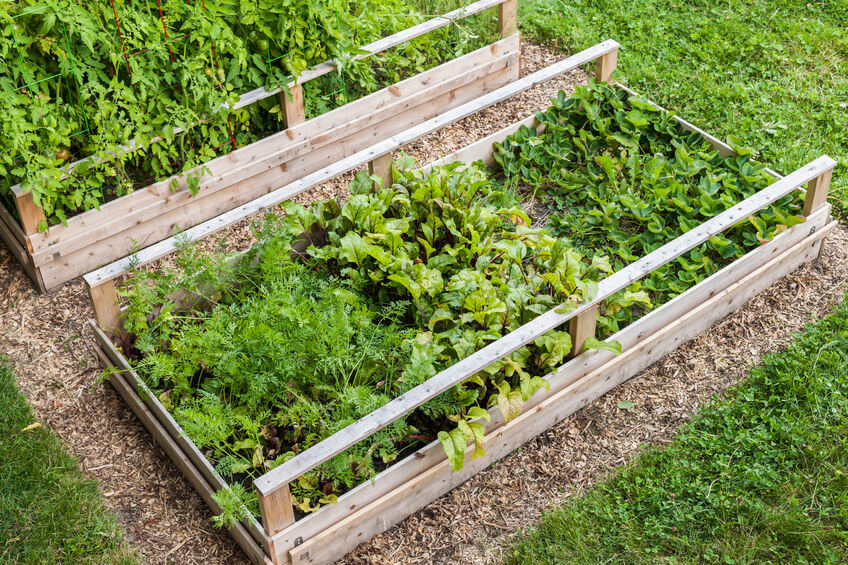
Raised beds can be especially effective for organizing pollinator-friendly plantings. For more on getting started with raised beds and maximizing your harvest, you might find this beginner’s guide to vegetable gardening helpful.
Safe Gardening Practices for Pollinator Health
Creating a haven for pollinators means being mindful of what goes into your garden. Here are some important practices to follow:
- Avoid chemical pesticides and herbicides whenever possible. These can be harmful or even deadly to bees and other beneficial insects.
- If you must use a treatment, opt for organic or natural solutions and apply them in the evening when pollinators are less active.
- Encourage natural pest control by attracting predatory insects. For tips, see this guide on how to deal with aphids naturally.
- Let some plants go to seed or flower, as these provide extra food sources for pollinators late in the season.
Healthy soil also supports robust plants, which in turn attract more pollinators. Learn more about improving plant growth and soil health for a more resilient garden ecosystem.
Seasonal Maintenance to Keep Pollinators Coming
Supporting pollinators is an ongoing process. Here’s how to maintain your garden throughout the year:
- Spring: Clean up only after temperatures are consistently above 50°F to avoid disturbing overwintering insects.
- Summer: Water deeply but less often to encourage deep roots and healthy blooms. Deadhead spent flowers to promote more blooms.
- Fall: Leave some plant debris and seed heads for overwintering pollinators and birds.
- Winter: Avoid excessive tidying. Hollow stems and leaf litter provide shelter for many beneficial insects.
Preserving your harvest is another way to make the most of your garden’s bounty. For tips on storage, see these guides on freezing vegetables step by step and drying vegetables for storage.
Frequently Asked Questions
What are the best flowers to plant for attracting pollinators?
Native wildflowers such as coneflower, bee balm, milkweed, and goldenrod are excellent choices. Herbs like lavender, thyme, and oregano also provide nectar and pollen. Mixing different flower shapes and bloom times ensures a steady food supply for various pollinator species.
How can I avoid harming pollinators when controlling pests?
Use organic or natural pest control methods, such as neem oil or insecticidal soap, and apply them in the evening. Encourage beneficial insects that prey on pests, and avoid broad-spectrum pesticides. For more details, refer to the guide on how to deal with aphids naturally.
Do I need a large garden to support pollinators?
No, even small spaces like balconies or container gardens can attract pollinators if you include the right plants and provide water and shelter. Grouping flowers together and avoiding chemicals are effective in any size garden.
How do I maintain a pollinator-friendly garden year-round?
Plan for continuous blooms, leave some plant debris over winter, and avoid over-cleaning in fall and spring. Provide water, shelter, and a variety of native plants to keep pollinators returning throughout the seasons.