Bees play an essential role in healthy gardens and thriving ecosystems. Their ability to pollinate a wide variety of plants makes them indispensable for anyone hoping to grow fruits, vegetables, or vibrant flowers. Understanding the importance of bees in gardening can help gardeners make informed choices that benefit both their crops and the environment.
Pollinators like bees are responsible for fertilizing plants by transferring pollen from one flower to another. This process is crucial for the production of seeds and fruits in many garden plants. Without bees, yields would drop significantly, and the diversity of plants in our gardens would suffer. For those interested in sustainable practices, learning about natural ways to improve plant growth can further enhance the benefits bees bring to your garden.
How Bees Support Plant Pollination
One of the most significant contributions bees make to gardens is their role in pollination. As bees collect nectar and pollen for their own nourishment, they inadvertently transfer pollen between flowers. This cross-pollination is vital for the reproduction of many plants, especially those that produce fruits and vegetables.
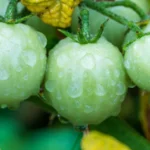
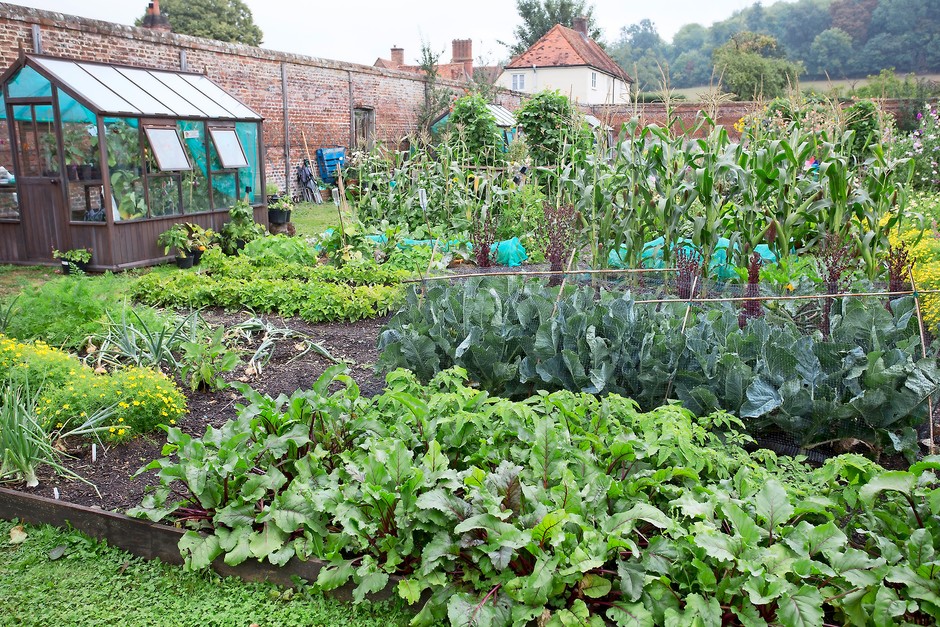
Some crops, such as tomatoes, cucumbers, squash, and berries, rely heavily on bee activity for optimal yields. When bees visit these plants, they increase the chances of successful fertilization, leading to larger harvests and better-quality produce. The importance of bees in gardening is especially evident in gardens where a wide range of flowering plants are grown together.
In addition to food crops, ornamental flowers also benefit from bee pollination. A garden buzzing with bees will often display more vibrant blooms and healthier plants overall.
Benefits of Attracting Bees to Your Garden
Encouraging bees to visit your garden offers several advantages beyond improved pollination. Here are some of the key benefits:
- Increased Yields: More pollinators mean more fruits and vegetables per plant.
- Greater Biodiversity: Bees help support a wider variety of plants, which in turn attracts other beneficial insects and wildlife.
- Healthier Ecosystem: Gardens with active bee populations are often more resilient and balanced.
- Natural Pest Control: A diverse garden with many pollinators can help keep pest populations in check by attracting predators and parasitoids.
For those starting out, learning how to start a vegetable garden with beginner tips can set the stage for a bee-friendly environment.
Creating a Bee-Friendly Garden Environment
To maximize the presence of bees, gardeners can take several practical steps. Providing a variety of flowering plants that bloom at different times throughout the season ensures a continuous food source for pollinators. Native flowers are especially attractive to local bee species and often require less maintenance.
Consider planting in clusters rather than single plants scattered around the garden. Groupings of the same flower make it easier for bees to forage efficiently. Avoiding pesticides, especially those containing neonicotinoids, is also critical, as these chemicals can harm bees directly or disrupt their navigation and foraging behavior.
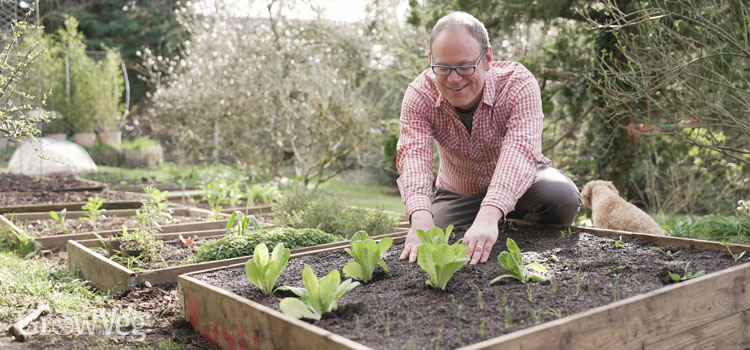
Adding features like shallow water sources or leaving small patches of bare ground can provide nesting sites for solitary bees. Raised beds, such as those found in modern gardens, can also help organize plantings and make it easier to create pollinator-friendly zones.
Common Challenges Facing Bees and Gardeners
Despite their value, bee populations have been declining due to habitat loss, pesticide exposure, disease, and climate change. Gardeners can help by providing safe havens and avoiding harmful practices. Supporting bees is not only beneficial for your own harvests but also contributes to broader environmental health.
Some gardeners may worry about attracting bees due to fear of stings. However, most garden bees are not aggressive and will only sting if threatened. By giving bees plenty of space and avoiding sudden movements, gardeners can safely share their outdoor spaces with these vital pollinators.
For those interested in sustainable food production, exploring topics like how to grow organic vegetables at home can further enhance the positive impact of bees in the garden.
Supporting Bees for Sustainable Gardening
Embracing bee-friendly gardening practices is a step toward more resilient and productive gardens. By understanding the importance of bees in gardening, gardeners can make choices that support both their own goals and the needs of pollinators. This includes planting diverse crops, avoiding harmful chemicals, and providing habitats for bees to thrive.
Incorporating organic methods and focusing on soil health can also benefit pollinators. Resources on the benefits of organic gardening highlight how these practices create a more welcoming environment for bees and other beneficial insects.
Ultimately, gardens that support bees are more likely to be abundant, beautiful, and ecologically balanced. By taking simple steps, anyone can contribute to the well-being of these essential pollinators and enjoy the rewards of a thriving garden.
Frequently Asked Questions
Why are bees so important for vegetable gardens?
Bees are crucial for vegetable gardens because they pollinate many crops that require cross-pollination to produce fruit. Without bees, plants like tomatoes, cucumbers, and squash would yield far less, and some might not produce at all. Their activity ensures healthy harvests and supports overall garden productivity.
How can I attract more bees to my garden?
To attract more bees, plant a variety of flowers that bloom at different times, use native species, and group similar plants together. Avoid pesticides, provide water sources, and create nesting habitats by leaving some bare ground or installing bee hotels. These steps make your garden more inviting for pollinators.
Are there alternatives to chemical pesticides that are safe for bees?
Yes, there are several alternatives to chemical pesticides that are safe for bees. Integrated pest management, using physical barriers, companion planting, and encouraging natural predators can help control pests without harming pollinators. For more ideas, explore natural ways to improve plant growth and maintain a healthy, bee-friendly garden.