
Keeping your garden free of unwanted plants is a challenge for every gardener. Many people want to avoid synthetic herbicides and instead look for natural weed prevention strategies that are safe for families, pets, and the environment. By understanding how weeds grow and using a combination of physical, cultural, and organic methods, you can maintain a healthy, thriving garden without resorting to chemicals.
This guide covers practical, effective approaches for how to prevent weeds naturally in your vegetable beds, flower borders, and lawns. You’ll discover proven techniques, helpful tools, and tips for building a robust ecosystem that naturally discourages weed growth. For more detailed advice on weed management, you can also explore how to control weeds in garden for additional insights.
Understanding Why Weeds Thrive
Weeds are opportunistic plants that quickly take advantage of bare soil, excess nutrients, and disturbed ground. They compete with your desired plants for sunlight, water, and nutrients. The first step in natural weed prevention is to understand the conditions that allow weeds to flourish:
- Bare soil is an open invitation for weed seeds to settle and sprout.
- Compacted or poor soil favors tough, resilient weeds over delicate crops.
- Overwatering or underwatering can stress garden plants, giving weeds an edge.
- Disturbed soil brings dormant weed seeds to the surface, where they can germinate.
By addressing these factors, you’ll create an environment where weeds struggle to gain a foothold.
Mulching: The Foundation of Organic Weed Control
One of the most effective ways to block weeds is to cover the soil with a thick layer of mulch. Mulching not only suppresses weed growth by blocking sunlight, but it also retains moisture and improves soil health. Here are some popular mulching options:
- Organic mulches: Straw, shredded leaves, grass clippings, wood chips, and bark are all excellent choices. They break down over time, enriching the soil.
- Living mulches: Low-growing ground covers or dense plantings can shade out weeds naturally.
- Cardboard or newspaper: These materials can be layered beneath organic mulch for extra weed suppression, especially in new garden beds.
Apply mulch 2–4 inches deep, making sure to keep it away from the stems of your plants to prevent rot.
Dense Planting and Cover Crops to Outcompete Weeds
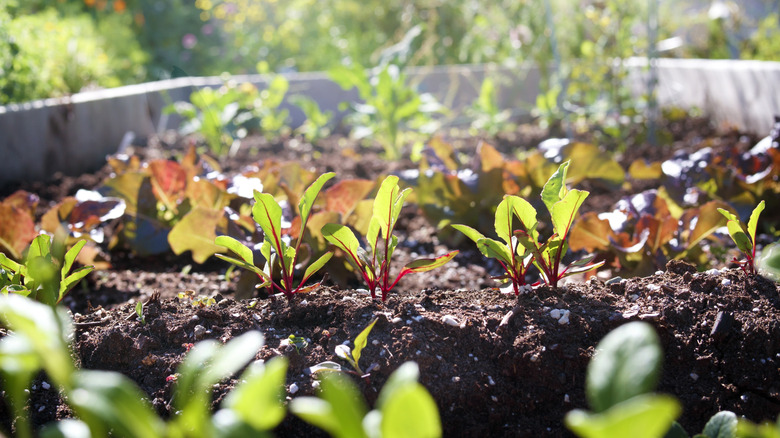
Another natural method for keeping weeds at bay is to plant closely so that there’s little room for invaders. Dense plantings shade the soil, making it difficult for weed seeds to germinate and grow. Consider these strategies:
- Interplanting: Grow compatible crops together, such as lettuce beneath taller tomatoes or beans alongside corn.
- Succession planting: As soon as one crop is harvested, plant another to keep soil covered year-round.
- Cover crops: In the off-season, sow fast-growing plants like clover, rye, or buckwheat. These “green manures” suppress weeds and improve soil fertility.
For beginners looking to start with easy, productive crops, check out this guide to easy crops for beginners and how to grow them.
Hand Weeding and Physical Barriers
Manual removal remains a core part of natural weed management. Pulling weeds by hand or with simple tools is most effective when the soil is moist and weeds are young. Here are some tips for efficient hand weeding:
- Weed after rain or watering, when roots come out more easily.
- Use a hoe or hand fork to loosen soil and remove roots completely.
- Regularly patrol your garden for new weeds, as small seedlings are much easier to remove than mature plants.
Physical barriers such as landscape fabric, cardboard, or even old carpet can be used under pathways or between rows to block weeds in high-traffic areas.
Soil Health and Watering Practices
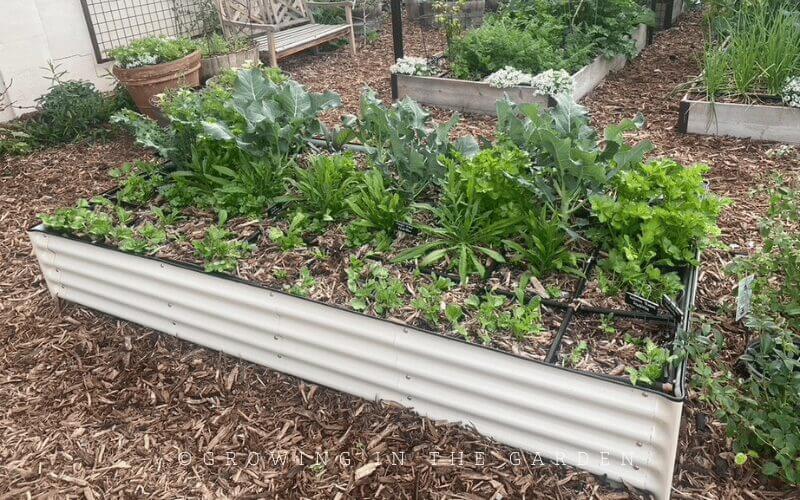
Healthy soil supports vigorous plants that can outcompete weeds. Regularly add compost or well-rotted manure to improve soil structure and fertility. Avoid over-fertilizing, as this can encourage weed growth just as much as it helps your crops.
Water only where needed—using drip irrigation, soaker hoses, or watering at the base of plants. This deprives weed seeds in bare areas of the moisture they need to sprout. Monitoring soil moisture with a reliable meter helps you avoid overwatering and keeps your garden in balance.
For more on building healthy soil, see natural ways to improve plant growth for additional tips.
Encouraging Beneficial Insects and Biodiversity
Promoting a diverse garden ecosystem can help keep weeds under control. Beneficial insects, birds, and soil organisms all play a role in maintaining balance. Some insects feed on weed seeds, while others improve soil health. Planting a variety of flowers and herbs attracts pollinators and predatory insects that support your garden’s resilience.
Learn more about the importance of bees in gardening and how to attract pollinators to your garden for bigger yields and fewer pest problems.
Routine Maintenance for Lasting Results
Consistent care is key to keeping weeds in check. Here’s a simple routine to follow:
- Inspect your garden weekly for new weeds and remove them promptly.
- Top up mulch as needed, especially after heavy rain or wind.
- Replant bare spots quickly to prevent weeds from moving in.
- Rotate crops and vary planting patterns to disrupt weed cycles.
By staying proactive, you’ll reduce the time and effort needed for weed control throughout the season.
Frequently Asked Questions
What is the best natural mulch for weed prevention?
Organic mulches like straw, shredded leaves, and wood chips are excellent for suppressing weeds. They block sunlight, retain moisture, and enrich the soil as they break down.
How often should I weed my garden to keep it under control?
Regular weeding—ideally once a week—prevents weeds from taking hold and producing seeds. Removing weeds when they are small is much easier and less disruptive to your plants.
Can I use vinegar or boiling water to kill weeds?
While vinegar and boiling water can kill young weeds on contact, they may also harm nearby plants and do not prevent new weeds from sprouting. These methods are best used for isolated weeds in cracks or pathways, not in garden beds.
Conclusion
Preventing weeds without chemicals is entirely possible with the right combination of mulching, dense planting, hand weeding, and soil care. By understanding the needs of your garden and using these natural weed prevention strategies, you’ll enjoy healthier plants and a more sustainable landscape. For even more tips on supporting your garden’s ecosystem, explore guides on plants that attract beneficial insects and other organic gardening practices.