Enjoying fresh, homegrown produce isn’t just a summer luxury. With the right strategies, you can keep your vegetable garden productive through every season. Whether you’re a beginner or looking to expand your gardening skills, learning how to grow vegetables all year round can help you harvest a steady supply of nutritious food, save money, and make the most of your outdoor (or even indoor) space.
This guide covers essential techniques for continuous vegetable production, from planning and crop selection to season extension and pest management. You’ll also find practical tips, recommended resources, and helpful tools to support your gardening journey.
For those interested in protected cultivation, greenhouse gardening for beginners offers an excellent way to start growing vegetables beyond the typical outdoor season.
Planning Your Year-Round Vegetable Garden
Success with continuous vegetable production starts with a solid plan. Consider your climate, available space, and the time you can dedicate to gardening. Mapping out your garden and creating a planting calendar helps ensure a steady rotation of crops and maximizes yields throughout the year.
- Know Your Hardiness Zone: Understanding your local USDA hardiness zone or climate region helps you choose suitable crops and timing for planting.
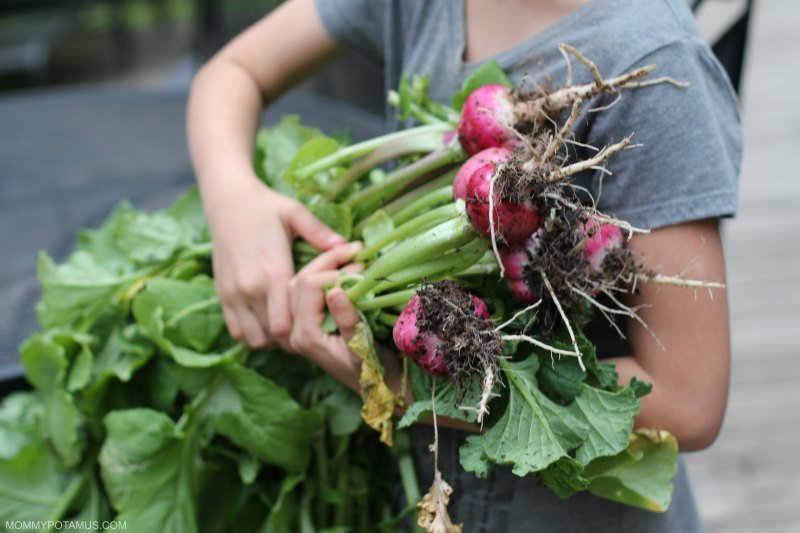
- Succession Planting: Staggering sowings of fast-growing vegetables like lettuce, radishes, and spinach ensures new harvests as older crops finish.
- Crop Rotation: Rotating plant families each season reduces disease risk and maintains soil health.
- Garden Layout: Raised beds, containers, and vertical gardening can help you make the most of limited space and improve drainage.
For those just starting out, this beginner’s guide to vegetable gardening provides a helpful overview of the basics.
Choosing the Right Crops for Every Season
One of the keys to growing vegetables year-round is selecting varieties suited to each season. Some crops thrive in cool weather, while others need the warmth of summer. By mixing and matching, you can keep your garden productive no matter the month.
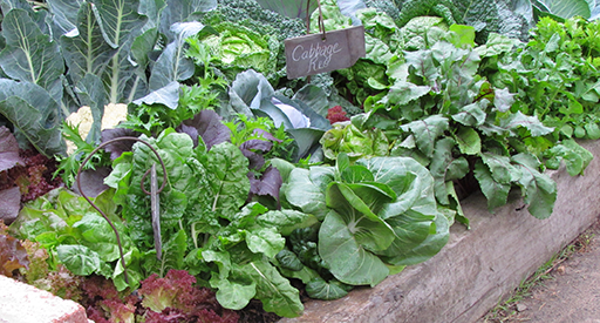
- Cool-Season Vegetables: Spinach, kale, broccoli, peas, carrots, and radishes grow best in spring and fall. Many can tolerate light frosts and even improve in flavor after a cold snap.
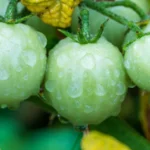
- Warm-Season Vegetables: Tomatoes, peppers, beans, cucumbers, and squash require higher temperatures and are typically planted after the last frost.
- Overwintering Crops: Garlic, onions, and some leafy greens can be planted in late fall and harvested the following spring.
- Indoor Options: Herbs, microgreens, and salad greens can be grown indoors on sunny windowsills or under grow lights during the coldest months.
Consider experimenting with heirloom vs hybrid seeds explained to find varieties that best suit your climate and taste preferences.
Extending the Growing Season
To keep your garden productive through chilly months, consider techniques that protect crops from cold and frost. Season extension methods allow you to start earlier in spring and continue harvesting into late fall or even winter.
- Row Covers: Lightweight fabric protects plants from frost and pests while letting in light and moisture.
- Cold Frames: Simple structures with clear lids trap heat and create a microclimate for early or late crops.
- Greenhouses: Even a small greenhouse can dramatically increase your growing window, allowing for tender crops in colder months.
- Mulching: Applying straw, leaves, or compost around plants insulates roots and moderates soil temperature.
For more on protected cultivation, see our resource on greenhouse gardening for beginners.
Soil Health and Water Management
Maintaining fertile, well-drained soil is crucial for success in year-round gardening. Regularly amend your beds with compost or organic matter to replenish nutrients and improve structure. Monitor soil moisture, especially during hot or dry periods, as consistent watering supports healthy growth and reduces stress.
- Compost: Add compost at least twice a year to boost fertility and support beneficial microbes.
- Mulch: Mulching conserves moisture, suppresses weeds, and protects soil from temperature extremes.
- Soil Testing: Periodically test your soil to track nutrient levels and pH, making adjustments as needed.
- Water Wisely: Early morning watering reduces evaporation and helps prevent disease.
Using a soil moisture meter can help you avoid over- or under-watering, which is especially important when growing vegetables in containers or raised beds.
Pest and Disease Prevention
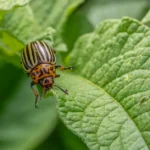
Year-round gardening means staying vigilant against pests and diseases. Rotate crops, encourage beneficial insects, and inspect plants regularly. Early detection and intervention can save your harvest from common problems.
- Crop Rotation: Avoid planting the same family in the same spot each year to reduce disease buildup.
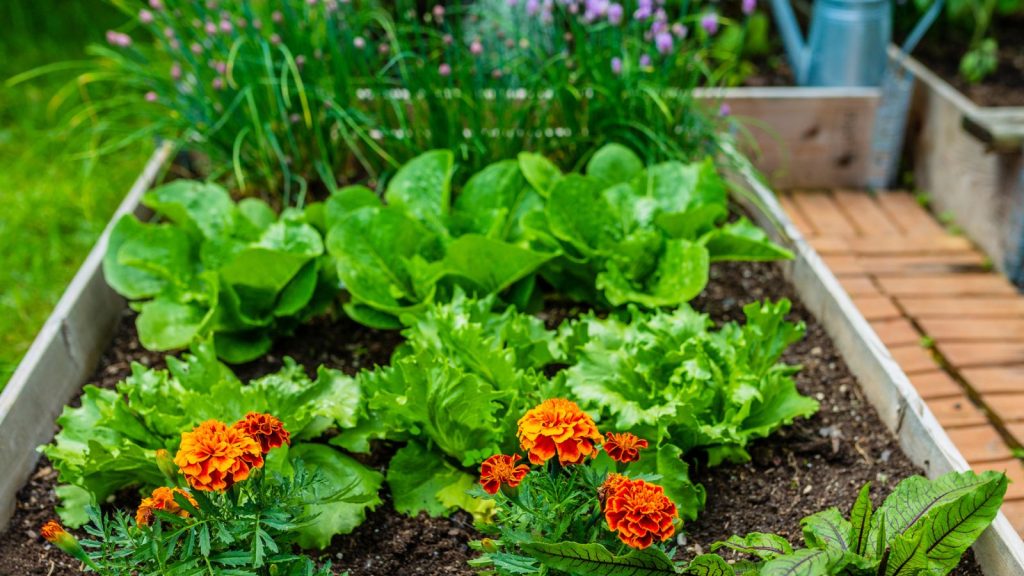
- Companion Planting: Growing flowers like marigolds among vegetables can deter pests and attract pollinators.
- Manual Removal: Hand-pick pests or use barriers like netting to protect vulnerable crops.
- Organic Solutions: Neem oil, insecticidal soap, and homemade sprays can help manage outbreaks without harsh chemicals.
For more details on plant health, explore our guides on common vegetable plant diseases and how to identify plant diseases before they spread.
Tips for Indoor and Container Vegetable Gardening
If outdoor space is limited or winter temperatures are extreme, growing vegetables indoors or in containers is a practical solution. Many leafy greens, herbs, and even compact root crops adapt well to pots on balconies, patios, or sunny windowsills.
- Choose the Right Containers: Ensure pots have drainage holes and are large enough for mature root systems.
- Use Quality Potting Mix: A light, nutrient-rich mix supports healthy growth and reduces compaction.
- Supplement Light: Grow lights can provide the necessary spectrum for robust growth during short winter days.
- Monitor Watering: Containers dry out faster than garden beds, so check soil moisture regularly.
Regularly check for pests and diseases, as indoor environments can sometimes encourage outbreaks. For natural solutions, see our advice on how to treat fungal infections in plants naturally.
Frequently Asked Questions
What vegetables are easiest to grow all year?
Leafy greens like kale, spinach, and Swiss chard, as well as root crops such as carrots and radishes, are among the easiest to grow throughout the seasons. With protection, many can be harvested even in winter.
How can I protect my vegetables from frost?
Use row covers, cold frames, or mulch to insulate plants from freezing temperatures. For more sensitive crops, consider growing them in a greenhouse or moving containers indoors during cold snaps.
Is it possible to grow vegetables indoors during winter?
Yes, many vegetables and herbs can be grown indoors with adequate light, warmth, and moisture. Salad greens, microgreens, and herbs like basil and parsley are especially well-suited for indoor cultivation.
Conclusion
With careful planning, the right crop choices, and season extension techniques, you can enjoy fresh vegetables from your garden every month of the year. Pay attention to soil health, water management, and pest prevention to keep your plants thriving. Whether you’re gardening outdoors, in containers, or indoors, these strategies will help you achieve a productive and rewarding harvest all year long.