Starting a greenhouse is an exciting step for anyone interested in growing plants year-round, extending the growing season, or simply enjoying more control over their gardening environment. For those new to this hobby, understanding the basics of greenhouse gardening for beginners is essential to set yourself up for success. This guide covers the fundamentals, from choosing the right structure to selecting crops and maintaining healthy plants.
Before diving into the practical steps, it’s helpful to learn about common plant health issues. For example, understanding how to prevent root rot can save you from many headaches down the line. With the right preparation, greenhouse gardening can be both enjoyable and productive.
Choosing the Right Greenhouse Structure
The first decision for any new gardener is selecting a suitable greenhouse. There are several types to consider, each with its own advantages:
- Freestanding greenhouses: Stand-alone structures that offer flexibility in placement and size.
- Lean-to greenhouses: Attached to an existing wall, saving space and sharing heat with your home or garage.
- Mini greenhouses: Compact and portable, ideal for small spaces or starting seeds.
Materials also matter. Polycarbonate panels are lightweight and insulate well, while glass provides excellent light transmission but can be heavier and more expensive. Consider your climate, available space, and budget before making a choice.
Essential Equipment and Tools for Starters
Equipping your greenhouse with the right tools helps ensure healthy plant growth and easier maintenance. For those just starting out, focus on these essentials:
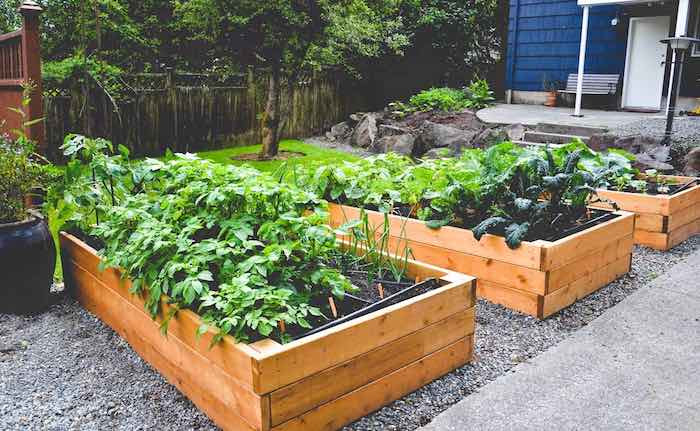
- Raised beds or containers for organized planting and improved soil drainage.
- Ventilation systems such as roof vents or fans to regulate temperature and humidity.
- Thermometers and hygrometers to monitor environmental conditions.
- Watering cans or drip irrigation for consistent moisture.
- Soil moisture meters to prevent over- or under-watering.
Investing in quality tools from the start can save time and reduce plant stress as you learn the ropes of greenhouse gardening for beginners.
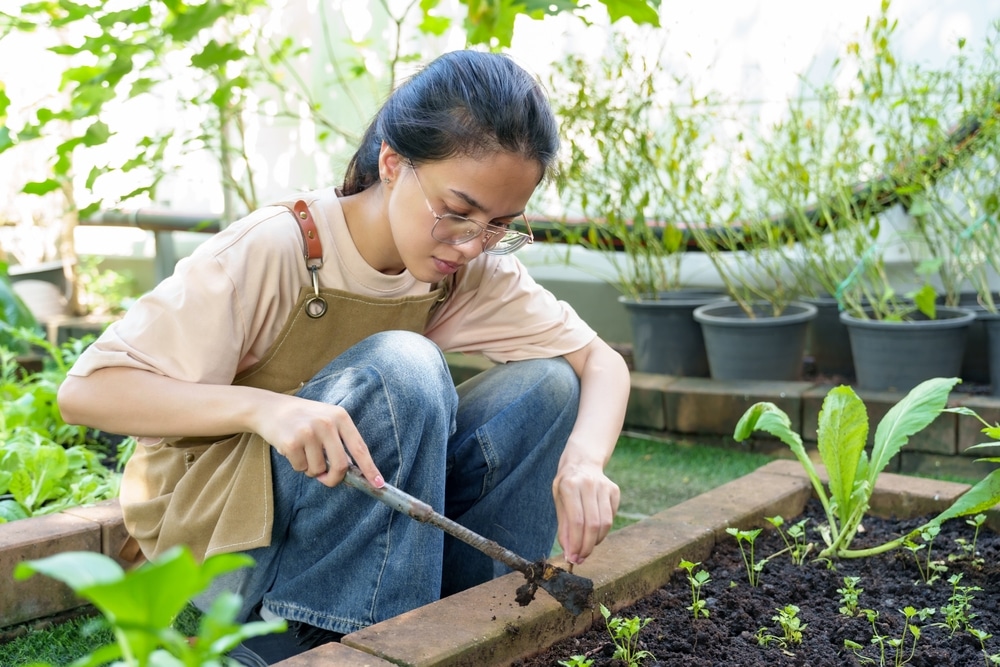
Best Plants to Grow for New Greenhouse Gardeners
One of the joys of greenhouse cultivation is the wide variety of plants you can grow. For those just starting, it’s wise to select crops that are forgiving and productive:
- Lettuce and leafy greens: Fast-growing and tolerant of cooler temperatures.
- Tomatoes: Thrive in the controlled warmth of a greenhouse.
- Herbs like basil, parsley, and cilantro: Compact and easy to manage.
- Peppers and cucumbers: Enjoy the extra heat and protection from pests.
Starting with these reliable choices allows you to gain confidence before moving on to more challenging crops. If you’re curious about seed types, check out heirloom vs hybrid seeds explained for more insight into what might work best for your goals.
Managing Temperature, Light, and Humidity
Maintaining the right environment is at the heart of successful greenhouse gardening. Here are some practical tips:
- Temperature: Most vegetables prefer daytime temperatures between 70–80°F (21–27°C) and slightly cooler nights. Use shade cloths or open vents to prevent overheating.
- Light: Ensure your greenhouse receives at least 6 hours of sunlight daily. In winter or cloudy climates, supplemental grow lights can help.
- Humidity: Aim for 50–70% relative humidity. Too much moisture can encourage disease, while too little can stress plants. Good airflow is crucial.
Monitoring these factors regularly will help you avoid common pitfalls and keep your plants thriving.
Soil, Watering, and Fertilizing Basics
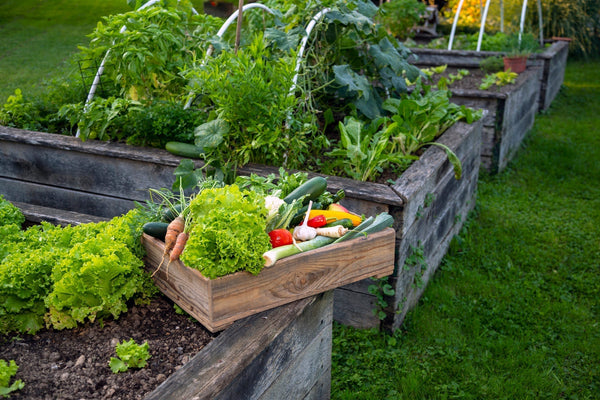
Healthy soil is the foundation of any productive greenhouse. Use a high-quality potting mix or create your own blend with compost, peat, and perlite for good drainage. Raised beds are popular for their ease of use and improved soil structure.
Watering is another critical aspect. Overwatering can lead to problems like root rot, while underwatering stresses plants. A soil moisture meter is a valuable tool for beginners, helping you gauge when to water. Fertilize regularly with a balanced, slow-release fertilizer, and adjust as needed based on plant growth and appearance.
If you notice signs of disease, learning how to identify plant diseases early can prevent issues from spreading throughout your greenhouse.
Pest and Disease Prevention in Greenhouses
While greenhouses offer protection from many outdoor pests, some issues can still arise. Keep your space clean and remove dead plant material promptly. Inspect new plants before introducing them and use insect screens on vents and doors.
For disease prevention, avoid overcrowding and ensure good air circulation. If you encounter problems, resources like common vegetable plant diseases and how to treat fungal infections in plants offer practical solutions.
Integrated pest management (IPM) strategies, such as introducing beneficial insects or using organic sprays, can also help keep your plants healthy without relying on harsh chemicals.
Tips for Success: Maintenance and Seasonal Care
Consistent maintenance is key to thriving greenhouse plants. Here are some simple routines to follow:
- Check temperature and humidity daily, adjusting vents or shades as needed.
- Water plants in the morning to reduce disease risk.
- Clean surfaces and tools regularly to prevent contamination.
- Rotate crops and remove spent plants to keep soil healthy.
- Plan for seasonal changes—add insulation in winter or extra shade in summer.
For more beginner-friendly advice, the beginner’s guide to creating a vegetable garden offers additional tips and benefits for those just starting out.
Frequently Asked Questions
What is the easiest crop to start with in a greenhouse?
Lettuce and other leafy greens are among the easiest crops for beginners. They grow quickly, tolerate a range of temperatures, and require minimal care compared to fruiting plants.
How do I control humidity in my greenhouse?
Controlling humidity involves proper ventilation, using fans or opening vents, and watering early in the day. Avoid overcrowding plants and remove excess moisture by wiping down surfaces if needed.
How often should I fertilize greenhouse plants?
Most greenhouse crops benefit from a balanced fertilizer every 2–4 weeks during active growth. Adjust frequency based on plant type and growth stage, and always follow product instructions to avoid over-fertilizing.