
Creating a self-sufficient lifestyle means developing off-grid homestead routines that maximize productivity and conserve resources. Whether you’re new to living off the land or refining your daily systems, establishing reliable habits is key to making your homestead run smoothly. This guide explores practical strategies for structuring your day, managing chores, and optimizing your workflow so you can enjoy the rewards of off-grid living while minimizing stress and waste.
From morning chores to evening wind-downs, each part of the day presents unique challenges and opportunities. By focusing on efficiency and consistency, you’ll not only keep your homestead thriving but also free up time for the things that matter most. If you’re interested in expanding your gardening skills, you may also find our guide on how to grow onions from bulbs helpful as part of your daily routine.
Structuring Your Day for Maximum Productivity
One of the most effective ways to boost efficiency is to create a predictable daily schedule. Off-grid homestead routines often revolve around natural light, weather, and the needs of animals and crops. Here’s how to structure your day for optimal results:
- Early Mornings: Start with animal care, such as feeding livestock and collecting eggs. This is also a good time for watering gardens before the sun gets too hot.
- Midday: Focus on indoor tasks like food preservation, equipment maintenance, or planning. Avoid strenuous outdoor work during peak heat.
- Afternoon: Return to outdoor chores, such as weeding, harvesting, or repairing fences.
- Evening: Wind down with a final check on animals, secure tools, and prepare for the next day.
Adapting your routine to the seasons is crucial. In summer, more time may be spent on gardening and food preservation, while winter brings a focus on wood gathering and indoor repairs.
Essential Chores and Their Order of Operations
Prioritizing tasks ensures nothing gets overlooked and helps prevent burnout. Here are some core daily chores and tips for streamlining them:
- Animal Care: Feed, water, and check the health of all livestock first thing in the morning and again before dusk. Automating some processes, like using gravity-fed waterers or automatic coop doors, can save time.
- Garden Maintenance: Inspect plants for pests, water as needed, and harvest ripe produce. Rotating tasks throughout the week (e.g., weeding on Mondays, mulching on Wednesdays) keeps the workload manageable.
- Food Preparation: Plan meals around what’s fresh from the garden or pantry. Batch-cooking and preserving surplus produce can reduce daily kitchen time.
- Waste Management: Compost kitchen scraps and animal bedding. Regularly turning compost piles accelerates decomposition and keeps odors down.
For those with limited space or just starting out, learning how to grow vegetables in small spaces can help integrate gardening into your daily rhythm, even on a compact homestead.
Tools and Systems for Streamlined Off-Grid Living
Investing in the right tools and creating efficient systems can make a significant difference in daily operations. Here are some recommendations for improving your off-grid homestead routines:
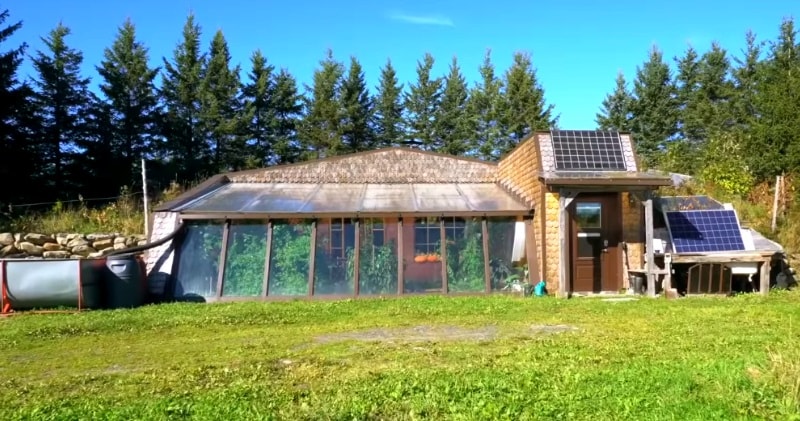
- Water Collection: Set up rainwater harvesting systems with gravity-fed hoses for gardens and livestock. This reduces manual hauling and ensures a steady supply.
- Renewable Energy: Solar panels or small wind turbines can power essential devices, from electric fences to water pumps, reducing reliance on fuel or grid power.
- Garden Infrastructure: Raised beds and mulching help conserve water and minimize weeding. For more on preparing your soil, see our guide on how to prepare soil for planting vegetables.
- Animal Automation: Automatic feeders, waterers, and doors streamline livestock care and allow for more flexibility in your schedule.
Regularly maintaining your tools and infrastructure prevents breakdowns and costly repairs, keeping your daily flow uninterrupted.
Meal Planning and Food Preservation for Self-Sufficiency
Food is at the heart of every homestead. Efficient routines around meal planning and preservation help reduce waste and ensure you’re making the most of your harvest. Here’s how to keep your pantry stocked and your meals varied:
- Batch Cooking: Prepare large quantities of staples like soups, stews, or breads to save time during the week.
- Preserving Surplus: Canning, dehydrating, and fermenting are essential skills. Set aside a specific day each week for preservation projects.
- Inventory Management: Keep a running list of what’s in your pantry and freezer. Rotate older items to the front to avoid spoilage.
- Seasonal Eating: Plan meals around what’s currently available from your garden or root cellar for maximum freshness and nutrition.
For inspiration on what to grow, check out our list of the best vegetables to grow at home for fresh produce all year long.
Adapting Routines for Seasonal Changes
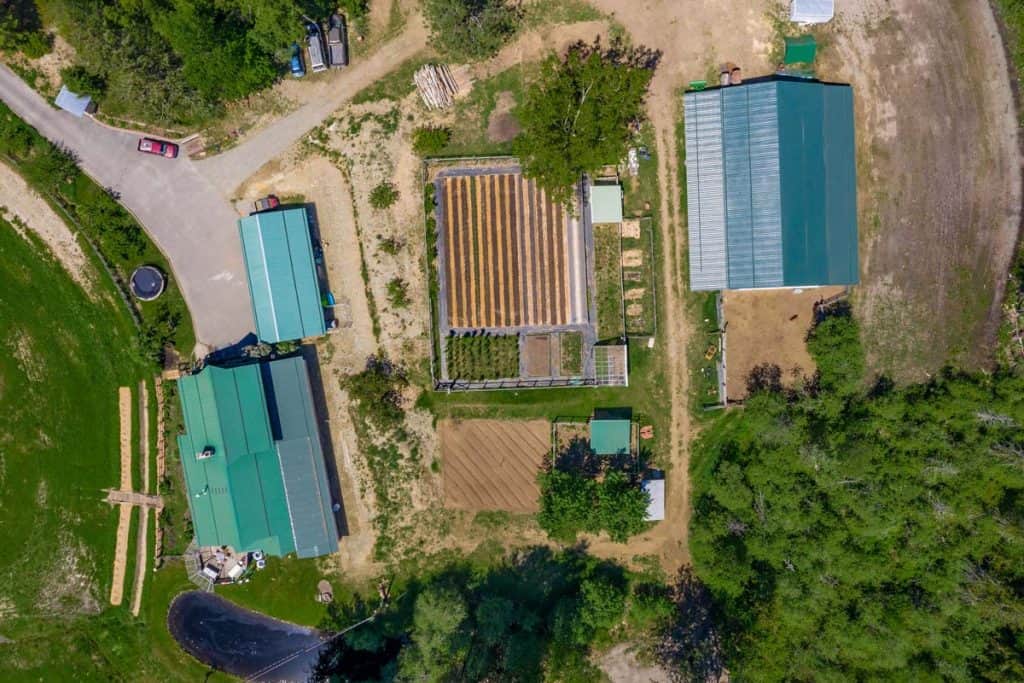
Homesteading is dynamic, and routines must shift with the seasons. In spring and summer, your focus may be on planting, weeding, and harvesting. Fall brings preservation and preparing for winter, while colder months are ideal for indoor projects and planning. Adjusting your schedule to seasonal demands helps prevent overwhelm and keeps your homestead resilient.
For those just starting out, the ultimate guide to starting a frugal off-grid homestead offers additional insights and tips for building a strong foundation.
Tips for Staying Organized and Avoiding Burnout
Maintaining a homestead can be demanding, but a few simple strategies can help you stay on top of tasks and enjoy the process:
- Use Checklists: Daily and weekly checklists keep you focused and prevent important chores from slipping through the cracks.
- Delegate: Involve family members or housemates in routines. Assign age-appropriate tasks to children to teach responsibility and lighten your load.
- Schedule Downtime: Make time for rest, hobbies, and socializing. A well-rested homesteader is more productive and less likely to burn out.
- Continuous Learning: Stay curious and open to new methods. Resources like our list of easy vegetables for beginners to grow can help you expand your skills and keep routines fresh.
Frequently Asked Questions
How can I make my off-grid homestead routines more efficient?
Start by creating a consistent daily schedule based on your priorities and the needs of your homestead. Invest in tools and systems that automate repetitive tasks, such as automatic waterers or solar-powered equipment. Regularly review and adjust your routines to address bottlenecks and seasonal changes.
What are the most important daily chores on an off-grid property?
Key daily chores include animal care, garden maintenance, food preparation, and waste management. Prioritizing these tasks ensures your homestead remains productive and sustainable. Establishing a logical order and using checklists can help you stay organized.
How do I balance work and rest while living off the grid?
Schedule regular breaks and downtime into your day. Delegate tasks among household members and use tools that reduce manual labor. Remember, efficiency isn’t just about getting more done—it’s also about maintaining your well-being for the long term.