
Getting your garden soil ready is the foundation for a thriving vegetable patch. Whether you’re starting a new bed or refreshing an existing one, understanding how to prepare soil for planting vegetables can make a significant difference in the health and yield of your crops. Well-prepared soil provides essential nutrients, supports strong root development, and helps manage moisture, all of which are key for productive vegetable gardening.
This guide covers every step, from assessing your soil type to enriching it with organic matter and ensuring optimal conditions for your plants. If you’re also interested in maximizing small spaces, you might find these tips on how to grow vegetables in small spaces helpful for urban or balcony gardening.
Understanding Your Garden Soil
Before you start digging or adding amendments, it’s important to know what kind of soil you have. The three main soil types are clay, sand, and loam. Each type affects drainage, nutrient retention, and how easily roots can grow. Here’s a quick overview:
- Clay soil: Heavy, holds water, can become compacted but is rich in nutrients.
- Sandy soil: Drains quickly, warms up fast, but often lacks nutrients and dries out easily.
- Loamy soil: The ideal mix, combining good drainage with nutrient retention and structure.
To determine your soil type, grab a handful of moist soil and squeeze it. If it forms a sticky ball, it’s likely clay. If it falls apart, it’s sandy. If it holds together but crumbles easily, you have loam.
Testing Soil Health and Fertility
Knowing your soil’s pH and nutrient levels is crucial for vegetable gardening success. Most vegetables prefer a slightly acidic to neutral pH (6.0–7.0). You can purchase a home test kit or send a sample to your local extension service for a comprehensive analysis. For convenience, consider using a soil moisture meter to monitor water levels throughout the season.
Testing helps you identify deficiencies in nitrogen, phosphorus, potassium, or trace minerals. Addressing these early prevents problems later and ensures your plants have what they need to thrive.
Clearing and Preparing the Planting Area
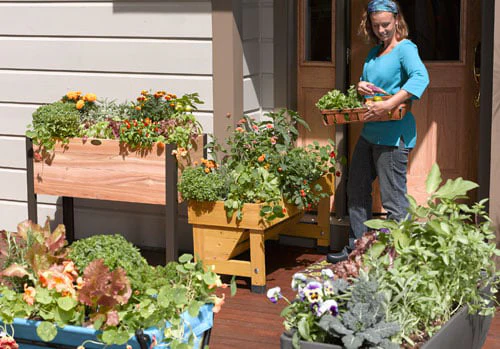
Start by removing weeds, rocks, and debris from your garden bed. Weeds compete with vegetables for nutrients and water, so thorough removal is essential. If you’re working with a new plot, you may need to dig out sod or use a hoe to break up the surface. For raised beds, clear the area and level the ground before assembling your planter.
Once cleared, loosen the soil to a depth of 8–12 inches. This can be done with a garden fork, shovel, or tiller. Breaking up compacted soil improves drainage and allows roots to penetrate more easily. Avoid working the soil when it’s too wet, as this can lead to clumping and compaction.
Enriching Soil with Organic Matter
Adding organic material is one of the most effective ways to boost soil fertility and structure. Compost, well-rotted manure, leaf mold, and worm castings are all excellent choices. Spread a 2–4 inch layer over your garden bed and mix it into the top 6–8 inches of soil.
Organic matter improves water retention in sandy soils and drainage in clay soils. It also encourages beneficial microbial activity, which helps break down nutrients into forms plants can absorb. For more information on creating a productive vegetable patch, check out this comprehensive vegetable gardening resource.
Balancing Soil pH and Nutrients
After adding organic amendments, it’s time to adjust pH and nutrient levels based on your soil test results. If your soil is too acidic, incorporate garden lime. For alkaline soils, elemental sulfur can help lower the pH. Always follow package instructions and retest after a few weeks.
To address specific nutrient deficiencies:
- Nitrogen: Add blood meal, feather meal, or composted manure.
- Phosphorus: Use bone meal or rock phosphate.
- Potassium: Apply greensand, wood ash (in moderation), or kelp meal.
Mix amendments thoroughly into the soil to ensure even distribution. Avoid over-fertilizing, as this can harm plants and disrupt soil life.
Improving Drainage and Structure
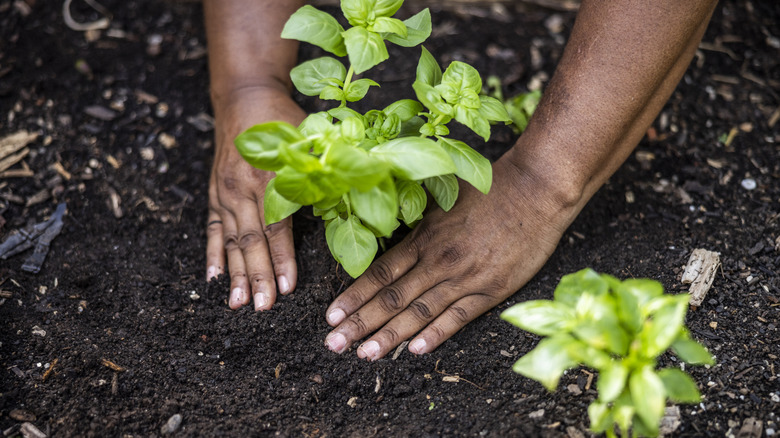
Good drainage is essential for healthy vegetable roots. If your garden bed tends to stay soggy after rain, consider raising it with additional soil or using a raised planter bed. Mixing in coarse sand or fine gravel can also help improve drainage in heavy clay soils.
On the other hand, if your soil dries out too quickly, adding more organic matter will help retain moisture. Mulching with straw, shredded leaves, or grass clippings after planting further conserves water and suppresses weeds.
Final Steps Before Planting
Once your soil is enriched and balanced, rake the surface smooth and remove any remaining large clumps or debris. Allow the bed to settle for a week or two before sowing seeds or transplanting seedlings. This waiting period gives soil amendments time to integrate and reduces the risk of root burn from fresh fertilizers.
Before planting, check soil moisture by squeezing a handful. It should feel damp but not soggy. If it’s too dry, water the bed thoroughly and let excess moisture drain. Using a soil moisture meter can help you maintain the right hydration level throughout the growing season.
For those interested in expanding their homegrown harvest, explore the best vegetables to grow at home for a productive and diverse garden.
Maintaining Healthy Soil Throughout the Season
Soil care doesn’t end once your vegetables are in the ground. Regularly add mulch to protect the surface, conserve moisture, and feed soil life as it breaks down. Rotate crops each year to prevent nutrient depletion and reduce pest buildup.
After harvest, plant cover crops like clover or rye to add organic matter and protect against erosion. In the off-season, avoid leaving beds bare. These practices help maintain a fertile, resilient garden year after year.
If you’re just starting out, you might appreciate these easy vegetables for beginners to grow as you build your gardening skills.
Frequently Asked Questions
What is the best time to prepare soil for vegetables?
Early spring or fall are ideal times for preparing garden beds. Working the soil when it’s moist but not waterlogged helps avoid compaction and makes amendments easier to incorporate. Preparing soil ahead of the growing season allows nutrients and organic matter to settle in, creating optimal conditions for planting.
How often should I add compost or organic matter?
It’s beneficial to add a layer of compost or well-rotted manure at least once a year, preferably before each new planting season. For heavy feeders or poor soils, supplementing mid-season can further boost fertility and support healthy growth.
Can I reuse soil from last year’s vegetable garden?
Yes, but it’s important to refresh it by removing old roots, adding new organic matter, and checking for nutrient deficiencies. Rotating crops and amending the soil each year helps prevent disease buildup and keeps your garden productive.
Do I need to till my garden every year?
Not necessarily. While tilling can help break up compacted soil and mix in amendments, over-tilling can damage soil structure and beneficial organisms. Many gardeners now prefer minimal tillage or no-dig methods, relying on mulching and surface amendments to maintain healthy beds.
Conclusion
Properly preparing your garden soil is the single most important step for a successful vegetable harvest. By understanding your soil type, testing and amending as needed, and maintaining healthy practices throughout the season, you’ll create a thriving environment for your crops. For more seasonal advice, see tips on when to plant vegetables in spring and explore guides like how to grow onions from bulbs to expand your gardening knowledge. With the right preparation, your vegetable garden will flourish year after year.