
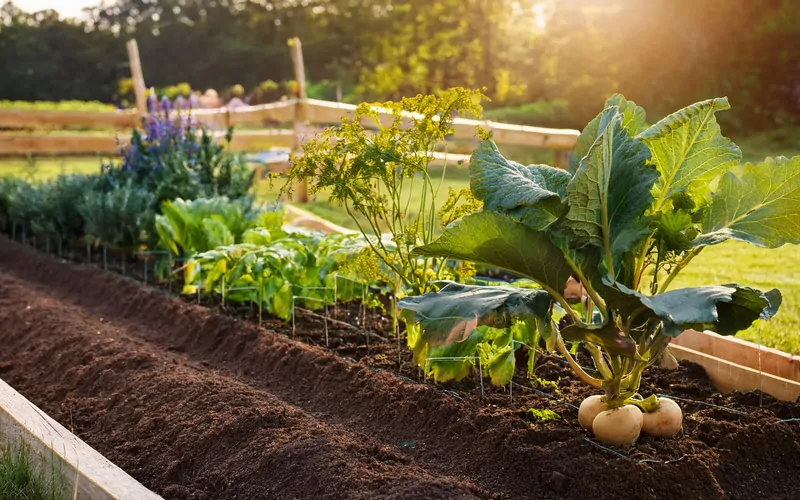
Growing your own vegetables is a rewarding way to enjoy fresh, healthy produce while saving money and reducing your environmental impact. Whether you have a large backyard or a small patio, cultivating a home garden gives you control over what you eat and how it’s grown. For beginners and seasoned gardeners alike, choosing the best vegetables to grow at home can make all the difference in your gardening success and harvest quality.
This guide highlights top choices for homegrown vegetables, offering practical tips for each. Along the way, you’ll find advice on garden setup, soil care, and how to get the most from your efforts. If you’re interested in sustainable living, you might also enjoy exploring modern homesteading eco friendly living guide for more inspiration.
Why Grow Your Own Vegetables?
Home gardening offers a range of benefits. You get access to the freshest possible produce, often with better flavor and nutrition than store-bought options. Growing vegetables at home also allows you to avoid pesticides and chemicals, making your meals healthier. Additionally, gardening is a relaxing hobby that connects you with nature and can be a fun family activity.
For those interested in sustainable practices, cultivating a vegetable garden supports eco-friendly living by reducing food miles and packaging waste. It’s also a step toward greater self-sufficiency and resilience.
Setting Up Your Home Vegetable Garden
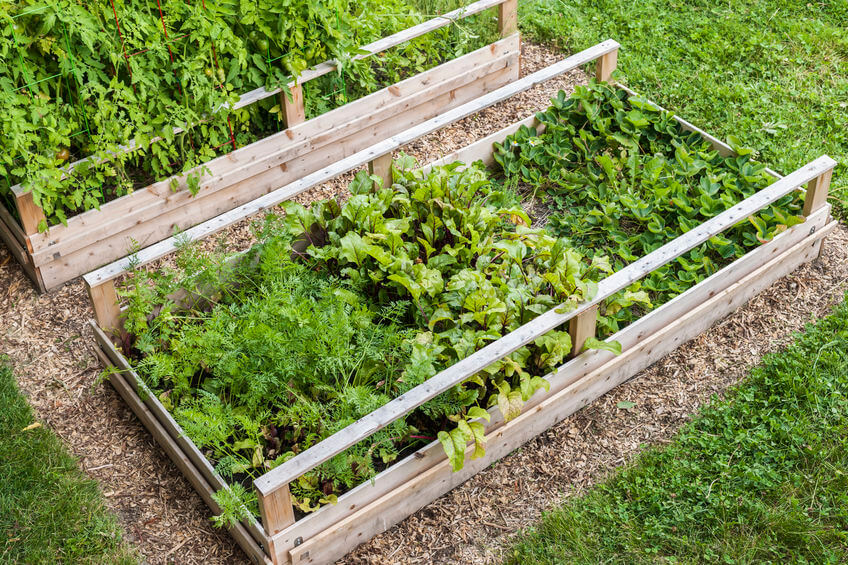
Before planting, consider your available space, sunlight, and soil quality. Most vegetables need at least six hours of direct sunlight daily. Raised beds, containers, or even small plots can all be effective, depending on your situation. Good soil is crucial—enrich it with compost or organic matter for best results. Regular watering and monitoring soil moisture will help your plants thrive.
Top Choices for Easy and Productive Home Gardens
Below are ten vegetables that are ideal for home gardens. These selections are based on ease of growth, productivity, and suitability for a range of climates and spaces. Whether you’re growing in containers, raised beds, or traditional plots, these options can help you enjoy a steady supply of fresh produce.
1. Tomatoes
Tomatoes are a favorite among home gardeners for their versatility and taste. They thrive in sunny spots and can be grown in pots or garden beds. Choose from cherry, roma, or slicing varieties. Regular watering and staking or caging will support healthy growth. Harvest when fruits are fully colored and slightly soft to the touch.
2. Leafy Greens (Lettuce, Spinach, Kale)
Leafy greens like lettuce, spinach, and kale are fast-growing and can be harvested multiple times. They prefer cooler temperatures and partial shade, making them suitable for spring and fall planting. Pick outer leaves as needed for a continuous supply. These greens are packed with nutrients and are excellent for salads and smoothies.
3. Carrots
Carrots are root vegetables that do well in loose, well-drained soil. Sow seeds directly into the ground or deep containers. Thin seedlings to avoid crowding and allow roots to develop fully. Carrots are ready to harvest when their tops begin to show above the soil and have reached the desired size.
4. Radishes
For quick results, radishes are hard to beat. They mature in as little as three to four weeks and can be grown in small spaces. Sow seeds directly and keep soil moist. Radishes are excellent for salads and add a peppery crunch to dishes.
5. Peppers (Bell and Hot Varieties)
Peppers are productive and colorful additions to any garden. Both sweet bell peppers and spicy varieties need warm temperatures and plenty of sunlight. Start seeds indoors or buy seedlings, then transplant after the last frost. Regular feeding and consistent watering will encourage abundant fruiting.
6. Zucchini and Summer Squash
Zucchini and other summer squashes are prolific producers. Plant them in rich soil with plenty of space to spread. They need regular watering and benefit from mulching to retain moisture. Harvest young fruits for the best flavor and texture.
7. Green Beans
Green beans are easy to grow and come in bush or pole types. Bush beans are compact, while pole beans need support to climb. Sow seeds after the last frost and keep the soil evenly moist. Pick beans regularly to encourage more production.
8. Cucumbers
Cucumbers are perfect for salads and pickling. They grow well in warm weather and need support such as a trellis or cage. Plant seeds or seedlings in fertile soil and water consistently. Harvest when fruits are firm and green for best taste.
9. Beets
Beets provide both edible roots and nutritious greens. They grow best in cool weather and loose soil. Sow seeds directly and thin seedlings to allow roots to develop. Harvest when roots are about the size of a golf ball for the sweetest flavor.
10. Onions
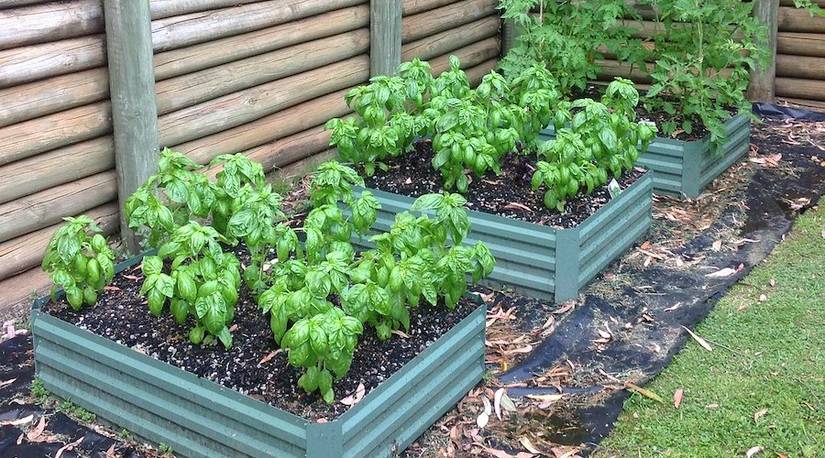
Onions are a staple in many kitchens and are surprisingly easy to grow. Start with sets or seedlings, and plant in well-drained soil with plenty of sun. Onions require regular watering and weeding. Harvest when the tops fall over and begin to dry.
Tips for a Thriving Home Vegetable Patch
- Start small: Focus on a few easy crops before expanding your garden.
- Rotate crops: Change planting locations each year to prevent soil-borne diseases.
- Mulch: Use organic mulch to retain moisture and suppress weeds.
- Monitor soil moisture: Over- or under-watering can stress plants. Use a moisture meter for accuracy.
- Harvest regularly: Picking vegetables at their peak encourages more production and better flavor.
For more practical advice, the vegetable gardening for beginners resource offers step-by-step tips and planting calendars.
Expanding Your Homestead Skills
Growing vegetables at home is just one aspect of sustainable living. If you’re interested in building a more resilient lifestyle, consider learning about modern homesteading natural building techniques or exploring biodiversity importance in homesteading. These resources can help you make the most of your land and live in harmony with nature.
Frequently Asked Questions
What are the easiest vegetables for beginners to grow?
Some of the simplest options include lettuce, radishes, green beans, and zucchini. These crops are forgiving, grow quickly, and require minimal maintenance, making them ideal for those new to gardening.
How much sunlight do homegrown vegetables need?
Most vegetables need at least six hours of direct sunlight each day. Leafy greens can tolerate partial shade, but fruiting crops like tomatoes and peppers require full sun for best yields.
Can I grow vegetables in containers or small spaces?
Absolutely. Many vegetables, such as tomatoes, peppers, lettuce, and carrots, adapt well to container gardening. Use high-quality potting mix and ensure containers have good drainage for healthy plants.
How do I keep pests away from my vegetable garden?
Practice crop rotation, use row covers, and encourage beneficial insects like ladybugs. Hand-picking pests and using organic sprays can also help manage common garden problems without harsh chemicals.
Conclusion
Choosing the best vegetables to grow at home can transform your meals and your lifestyle. With a bit of planning and care, you’ll enjoy a steady supply of fresh, delicious produce right from your own garden. Start with easy, productive crops and expand as your confidence grows. Happy gardening!